March 2016 Meeting Notes

March 25, 2016 McKinstry Meeting
Theme: Boat Nite – Ships, Subs, Aircraft on floats…

Notes by The Tick and Paul

Attendees were: Paul Gasiorowski, Mike Hanlon, THE TICK, Jim Batchelder, Frank Ress, Mark Murray, Carl Geiger, Dan Paulien, Lee Lygiros, Glenn Estry, Brian Gardner, Charlie Scardon

The meeting on May 13th will be held at Paul Gasiorowski home (volunteered by Norris). The address is 669 W. Northwest Hwy, Palatine. One block east of Quentin Rd. on the south side of the street. Parking is on Stephen just to the west of his driveway. There is room for 6 cars in the driveway, but once you’re in you’re stuck till the meeting is over. If we go for eats after the meeting, Palatine Inn is just to the east about ½ miles away. They are open till 10:30 or 11:00 on Friday nights. So we should wrap up the meeting no later than 9:15.

Maps will be available to hand out at the April meeting. Otherwise use your male-oriented genes to find the place, or the GPS on your phone. (Paul offered that, “I DON’T NEED ANY DIRECTIONS OR MAP”, but the rest of the membership looked worried that he might not make it without one.). It will still be daylight at 7:30, but just to help there will be a snowman in the front yard. (Sadly, Paul’s not kidding; he’s both seasonally- and spatially-challenged.)

We still need to discuss the way to set up the display cabinet at the library in November to commemorate the 75th anniversary of the attack on Pearl Harbor.

The National IPMS convention committee sent us a letter to see if we wanted to sponsor a trophy or plaque for a specific theme. Under discussion. Probably needs to be finalized by the April 8th meeting, if we are going to do this.

DD-990 USS Vincennes and Russian Delta III, 1/700th, Dragon combo kit, built by Paul Gasiorowski

2016-mar-meeting-dsc_9856 2016-mar-meeting-dsc_9857

Paul’s first attempt at making fake water, his take below average look. Styrofoam base. Used Model master paints for the base, looked okay, but would take several coats of future to give it a glossy look.

Delta III, 1/700th, built by Paul Gasiorowski

2016-mar-meeting-dsc_9855 2016-mar-meeting-dsc_9854

Delta III simple kit, would look good in a water scene..

HMS Tribune, 1/700th, Tom’s Modelworks/Loose Cannon models, built by Charlie Scardon

2016-mar-meeting-dsc_9865 2016-mar-meeting-dsc_9864

It is a Type 1 T class. Overall PB19 Blue. Used Vallejo 899 dark Prussian blue. Built OTB except for stretched sprue antennae. WIP

Northrup N-3PB, 1/72nd, Special Hobby, built by Paul Gasiorowski

2016-mar-meeting-dsc_9853 2016-mar-meeting-dsc_9852

HMS Torbay, 1/700th, Arii, built by Charlie Scardon

2016-mar-meeting-dsc_9868 2016-mar-meeting-dsc_9867

Aichi Seiran A6M1, 1/48th, Tamiya, built by Mike Hanlon

2016-mar-meeting-dsc_9871 2016-mar-meeting-dsc_9870 2016-mar-meeting-dsc_9869

For details on this kit and Mike’s build, please see his kit review from last year.


The following needs description:

2016-mar-meeting-dsc_9858

Posted in Recaps and Photos, Themes and Programs | Leave a comment

February 2016 Meeting Notes

February 26, 2016 McKinstry Meeting
Theme: Meteor Showers – Comets, Starfire, Shooting Star, etc.

Notes by The Tick and Paul

Attendees were: Paul Gasiorowski, Mike Hanlon, THE TICK, Jim Batchelder, Frank Ress, Carl Geiger, Glenn Estry, Bill Soppet, Charlie Scardon, John Koziol, John Koziol, Sr., Mark Murray

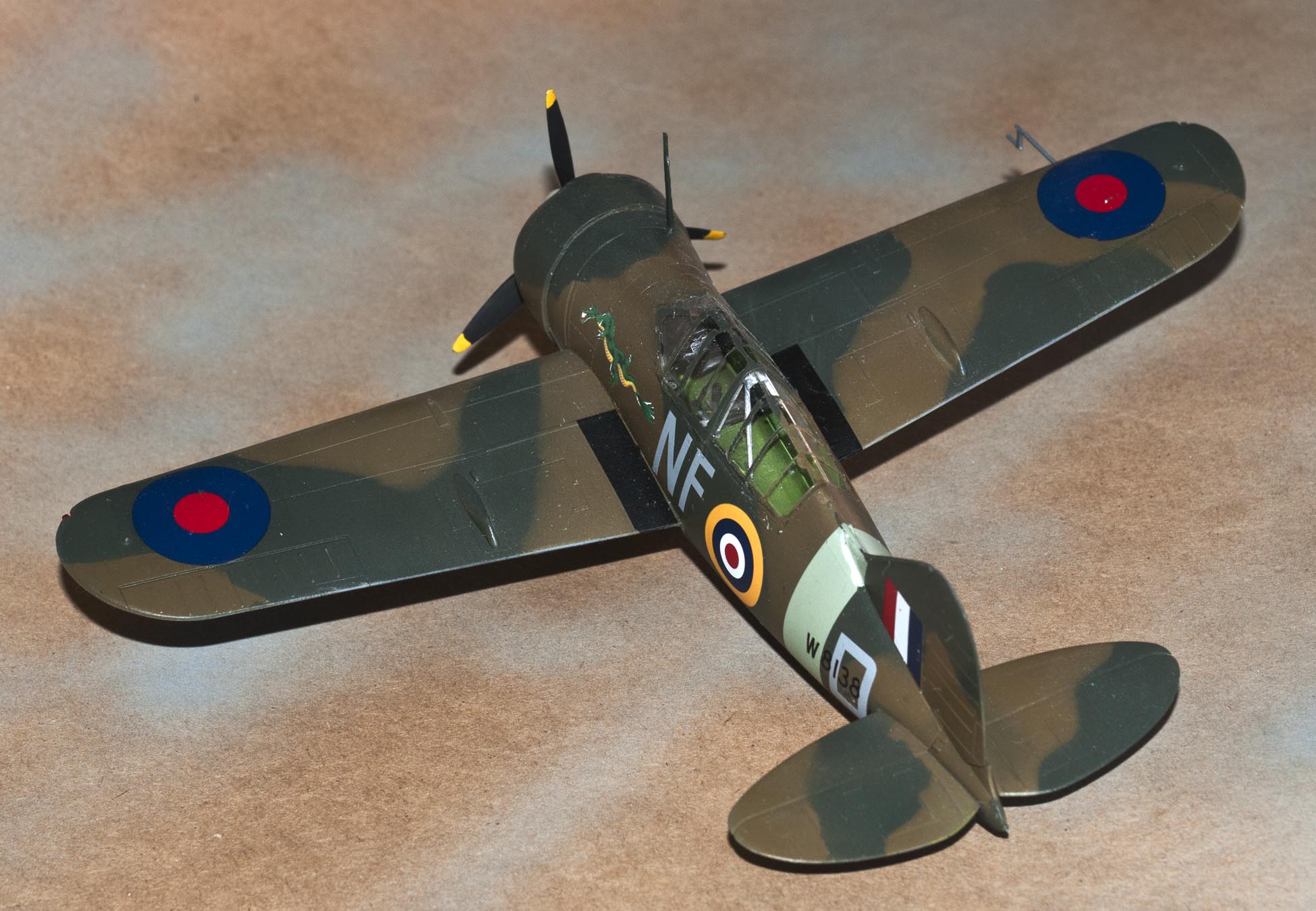
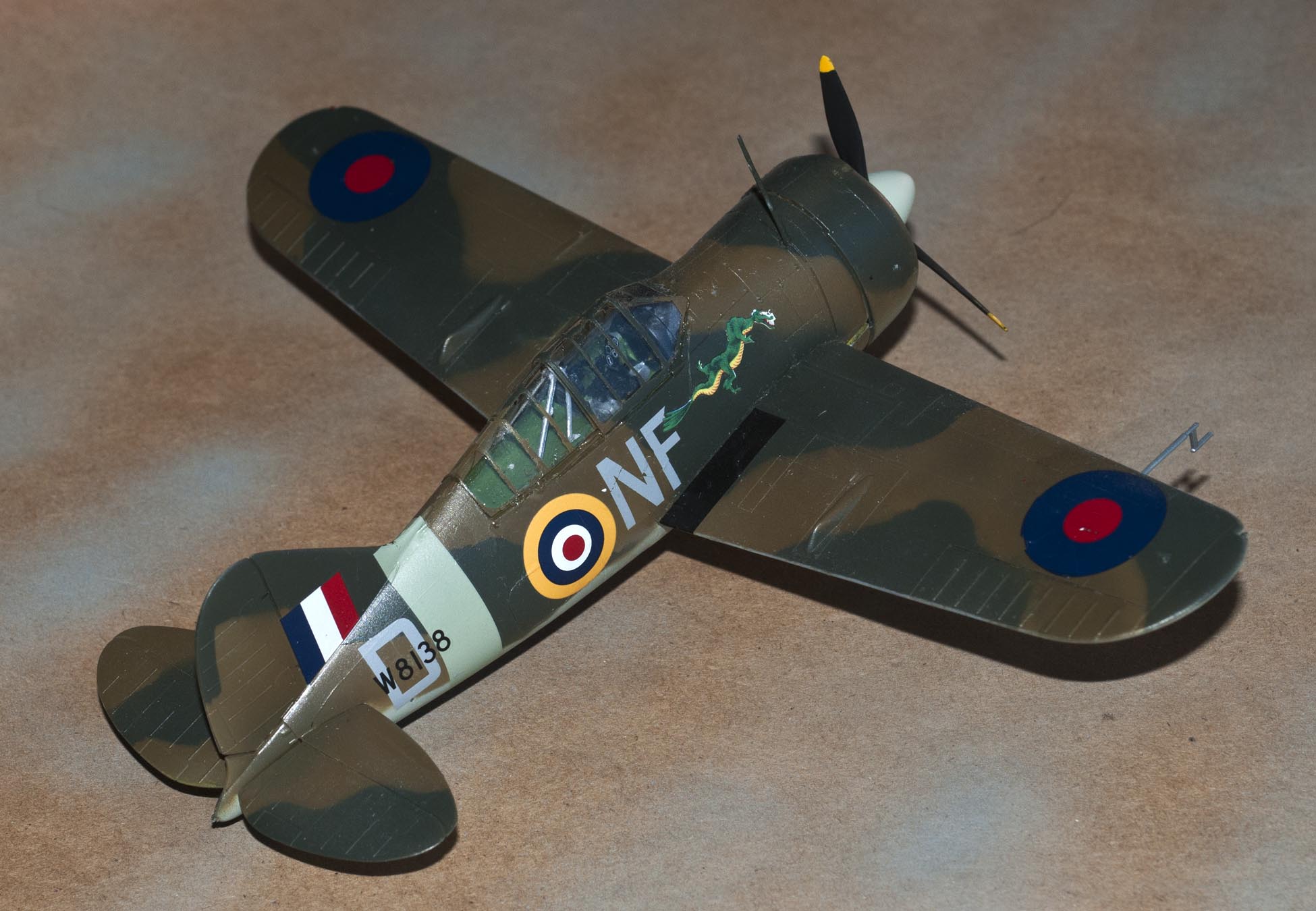
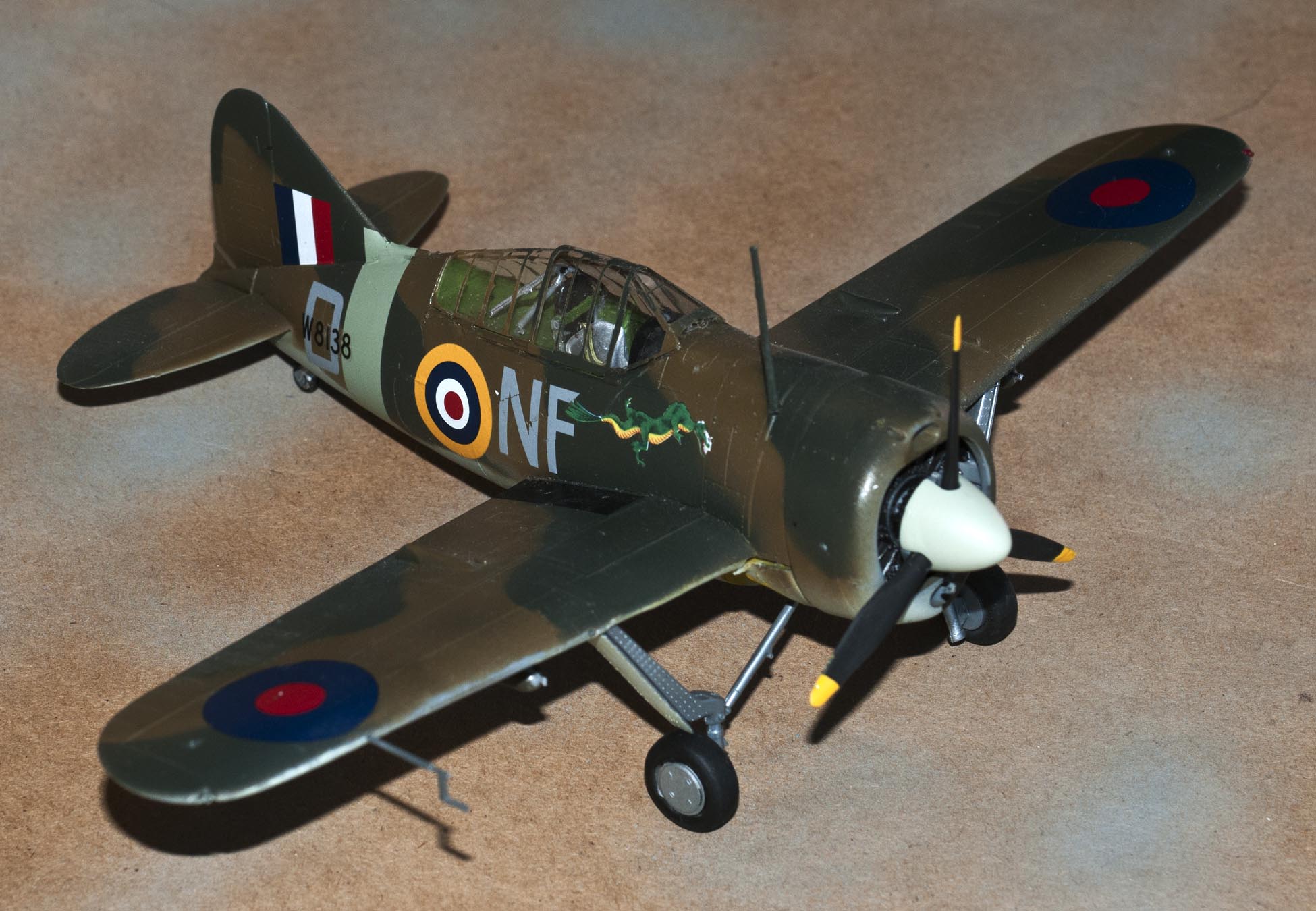
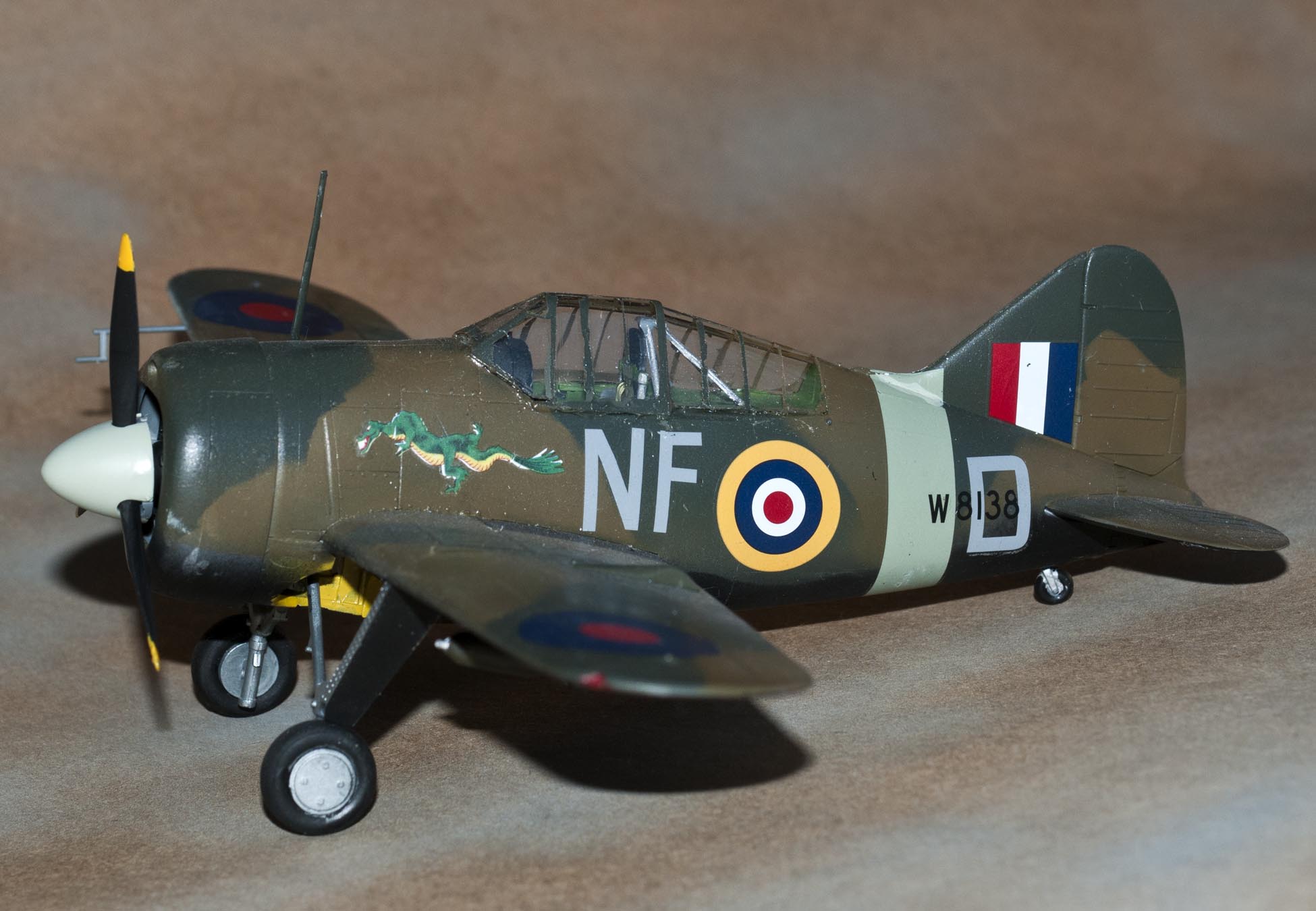
Brewster Buffalo, 1/48th, Tamiya, built by Jim Batchelder

2016-feb-meeting-dsc_9827 2016-feb-meeting-dsc_9826 2016-feb-meeting-dsc_9825 2016-feb-meeting-dsc_9824

Built out of the box using kit decals. Model Master enamels. Easy build, although the sky colored stripe did not fit as well as he expected.

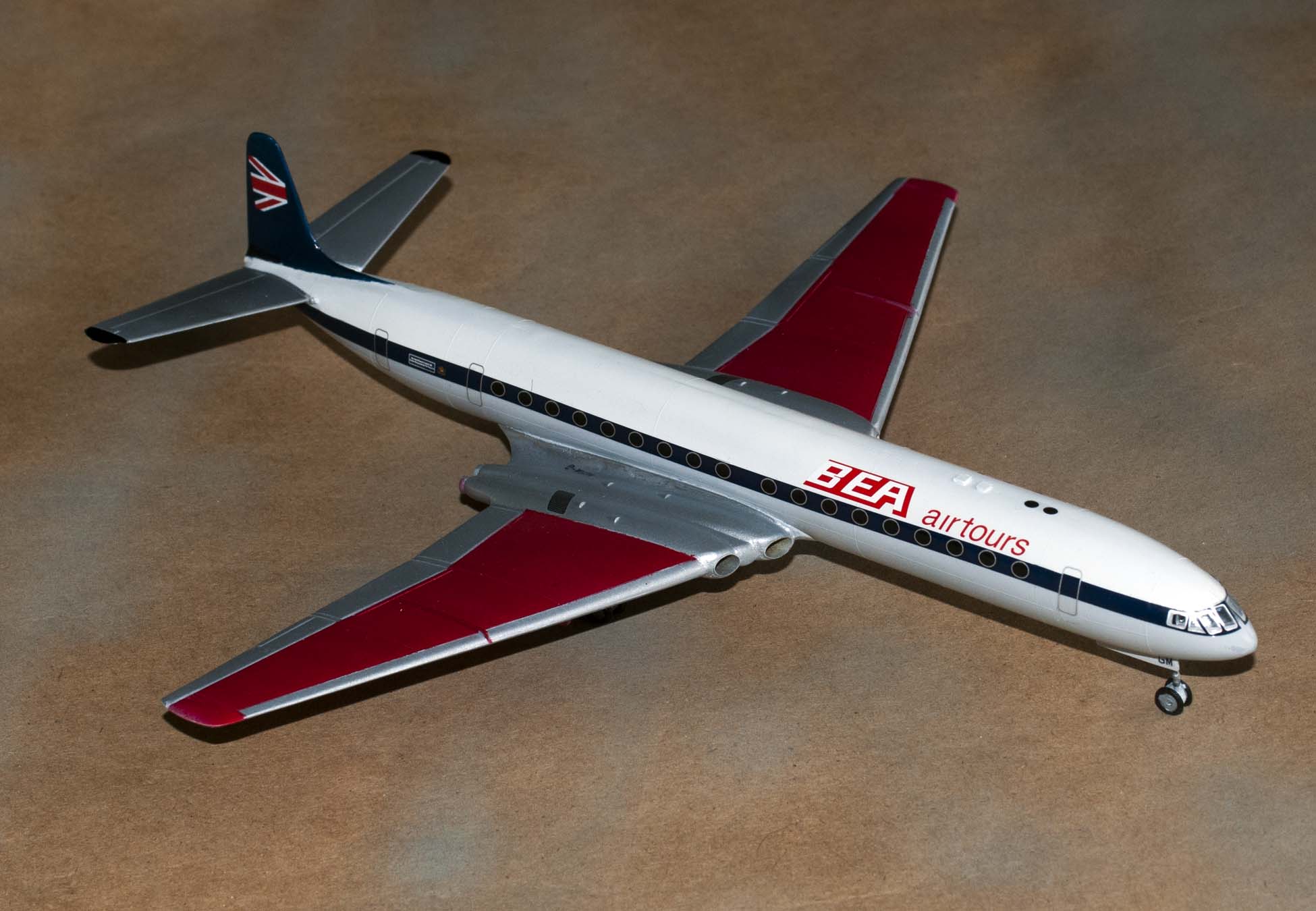
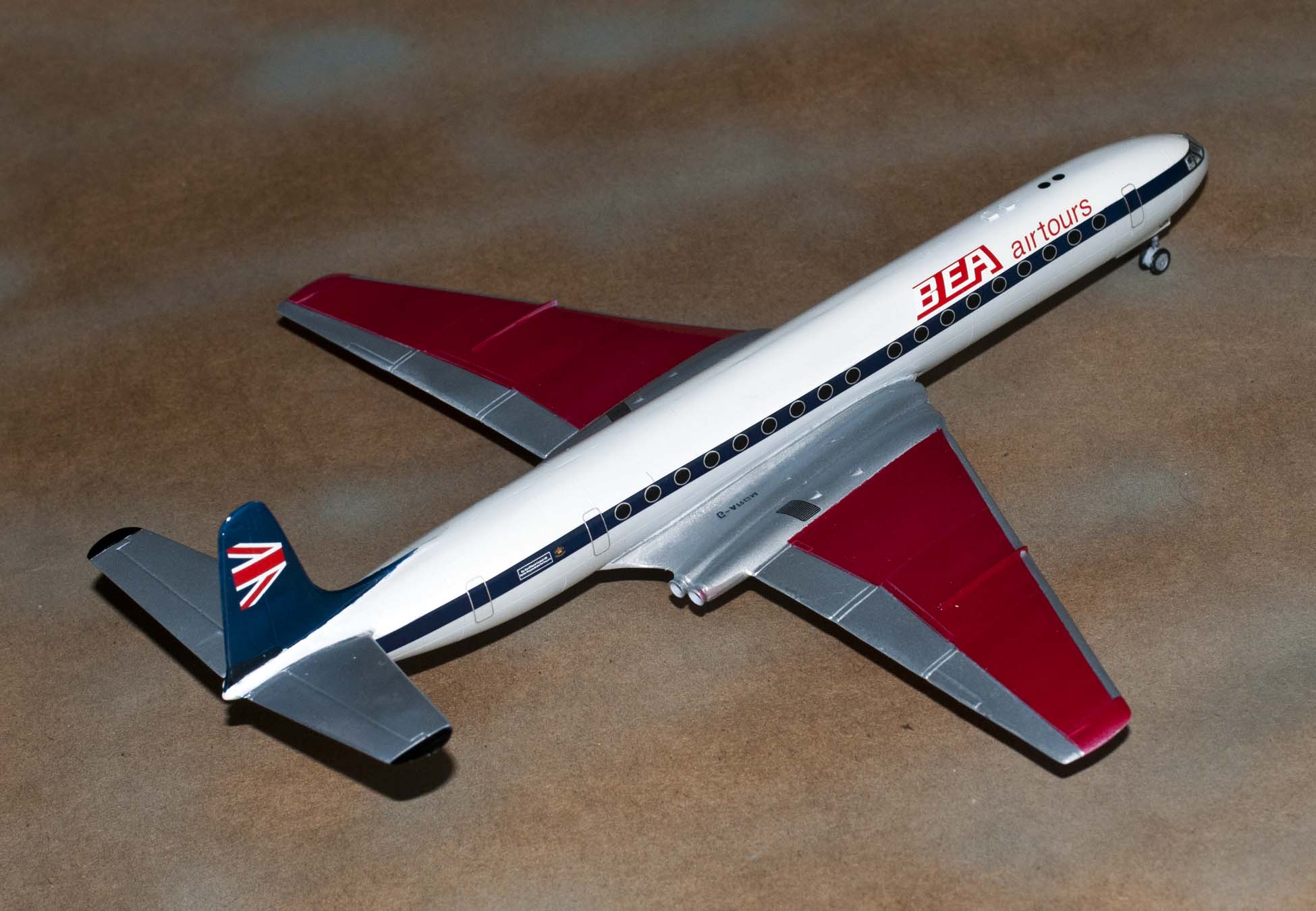
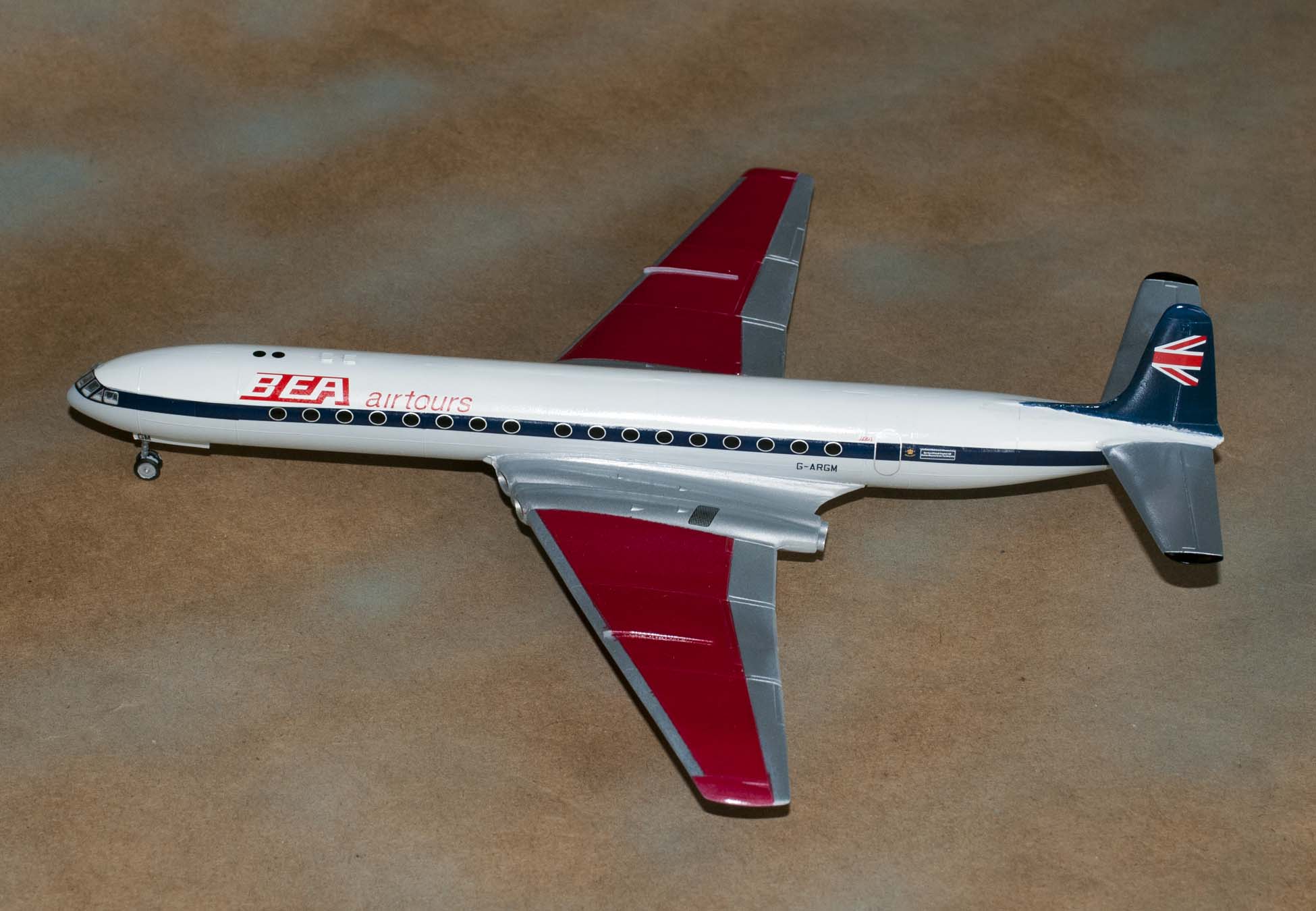
DeHavilland Comet 4B, 1/144th, Airfix, built by Paul Gasiorowski

2016-feb-meeting-dsc_9837 2016-feb-meeting-dsc_9836 2016-feb-meeting-dsc_9832 2016-feb-meeting-dsc_9835

Not a bad kit to put together. OOB except for brass inserts in the engine intakes to cut down on the cave look. Paul used a total of 4 colors on this plane. It was primed with Tamiya Grey out of a rattle can. It was then painted in this sequence; Floquil Old Silver for the wing leading edges and engine nacelles, followed by red for the wings, white for the upper fuselage and light ghost gray for the bottom. Paints used were Model Master Acrylics. Lots of decals for the windows, etc. They all went down well, no silvering. Used Tamiya tape for the masking, did not lift any paint at all during the painting process.

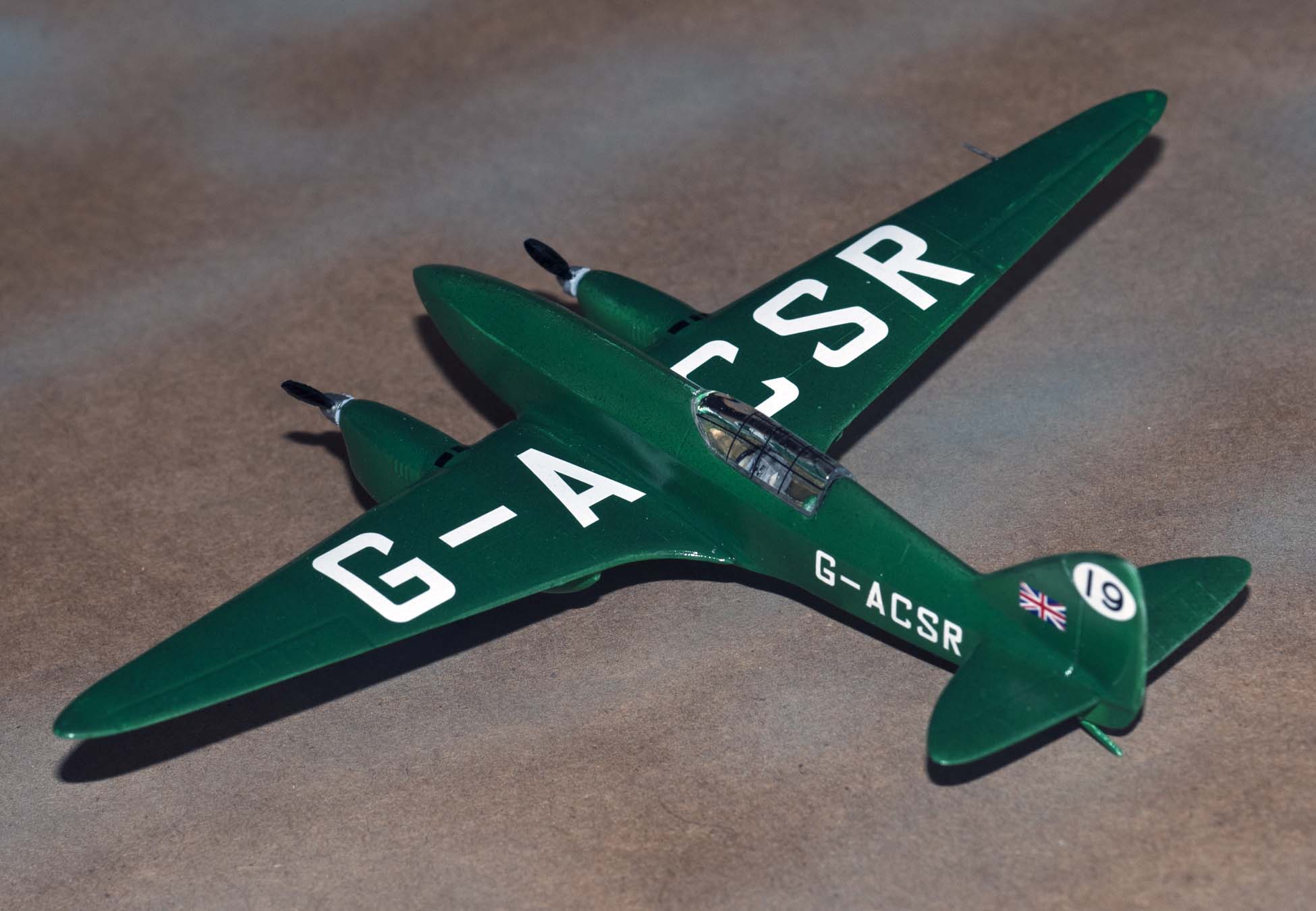
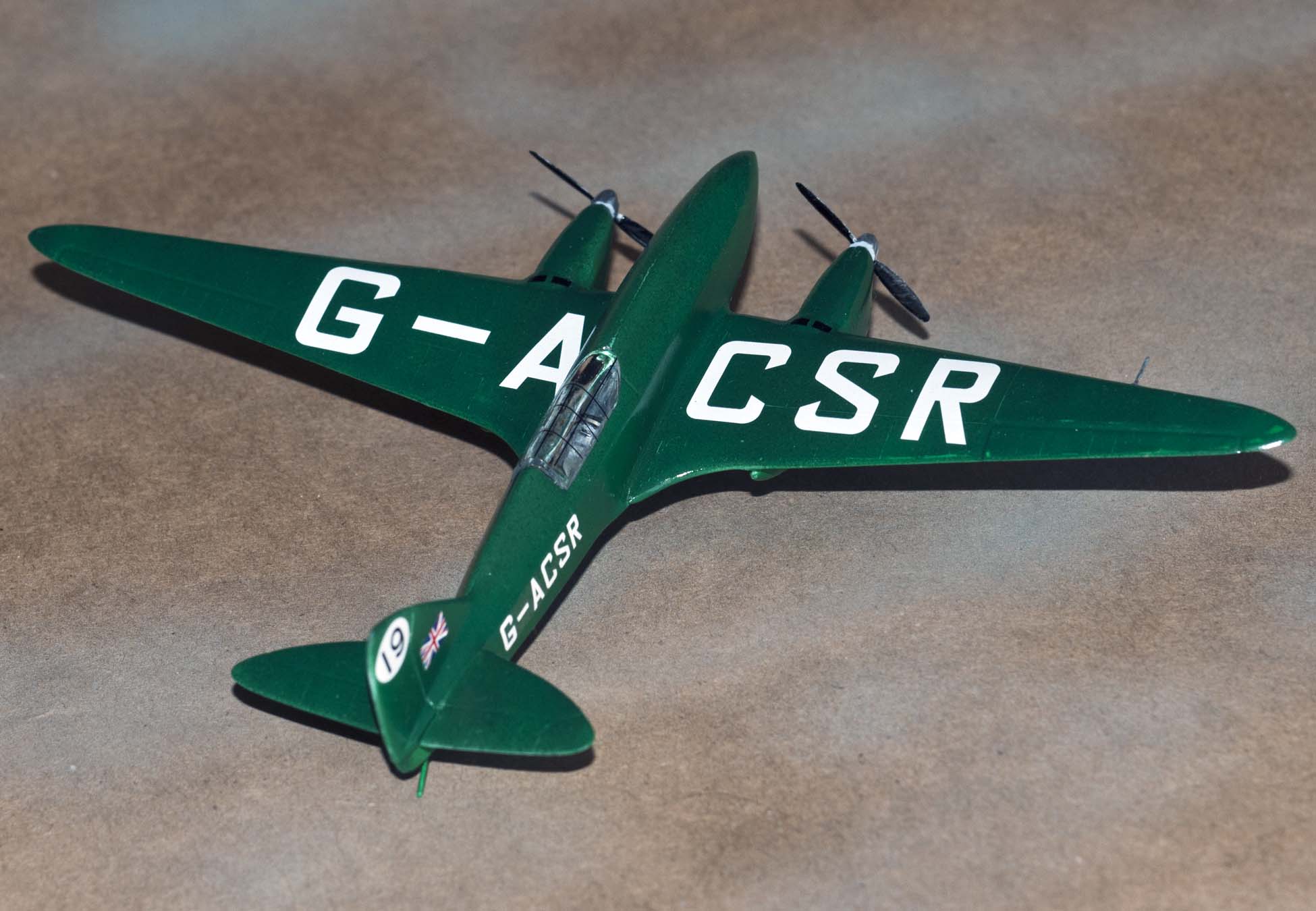
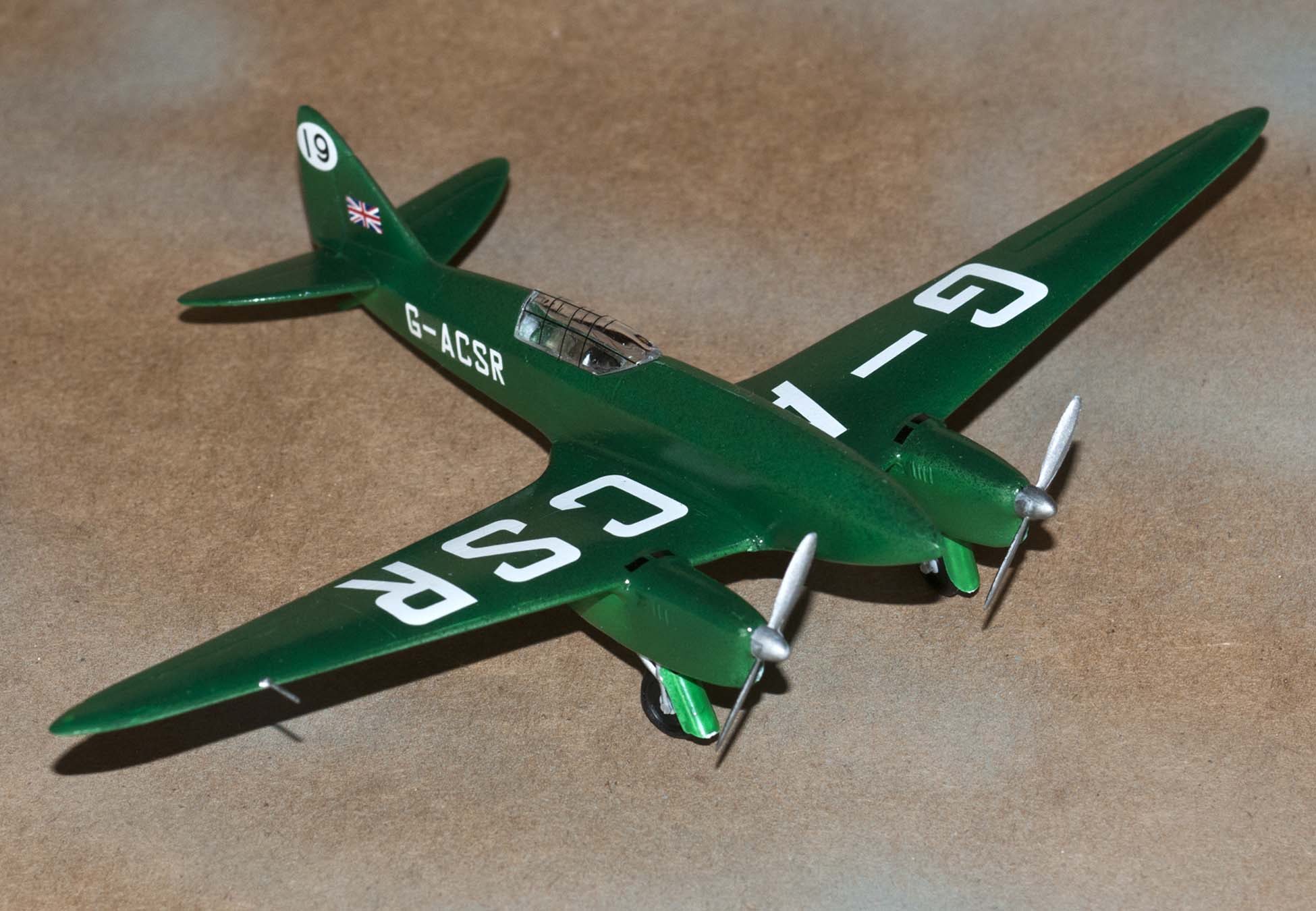
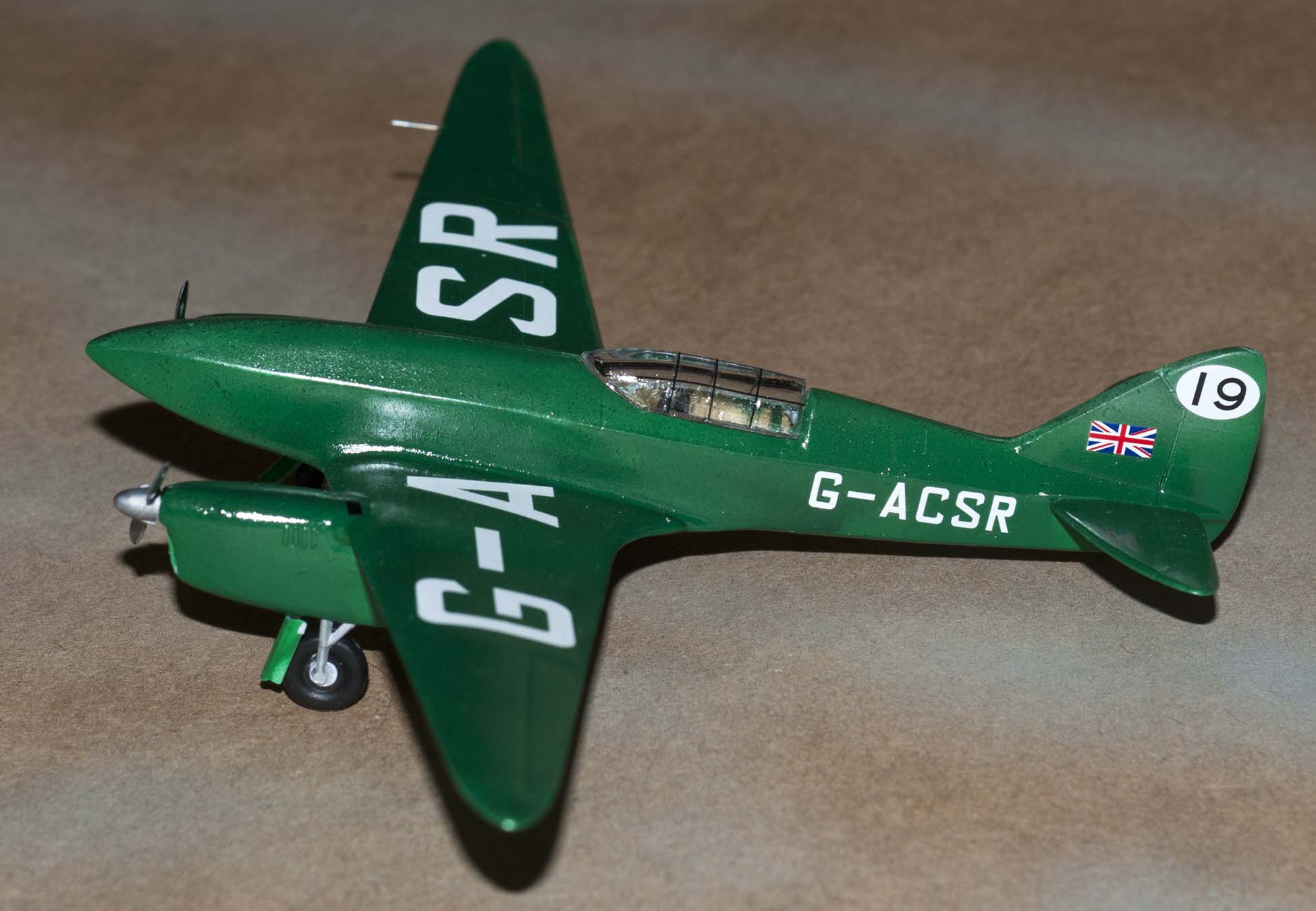
DH88 Comet Racer, 1/72nd, Airfix, built by Paul Gasiorowski

2016-feb-meeting-dsc_9850 2016-feb-meeting-dsc_9849 2016-feb-meeting-dsc_9847 2016-feb-meeting-dsc_9840

3 planes of this DH 88 were built for a race from England to Australia, one in red, green and black. The red one won.

Lots of flash on the parts in this kit. No cockpit at all, but two heads as part of the fuselage. These were taken out and a rough cockpit was inserted using some old seat from the spares box, some styrene stock and rod. The model was first painted with Tamiya Grey primer. The plane was then painted with Model Master Acrylic Green, and given a coat of Future. The decals were put on, but there was a lot of opaqueness between the letters – it took about 3 coats of Future to get rid of the opaqueness.

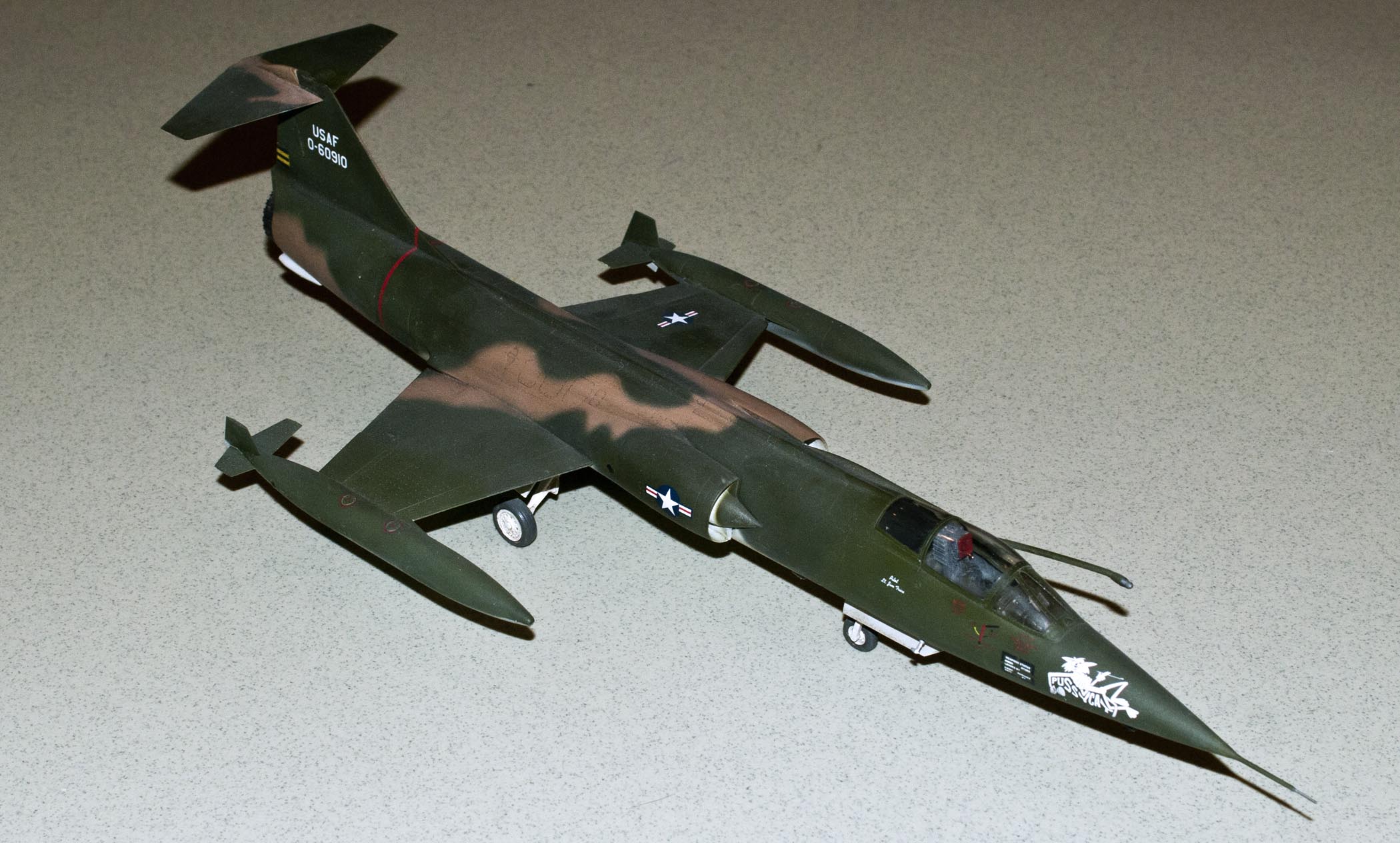
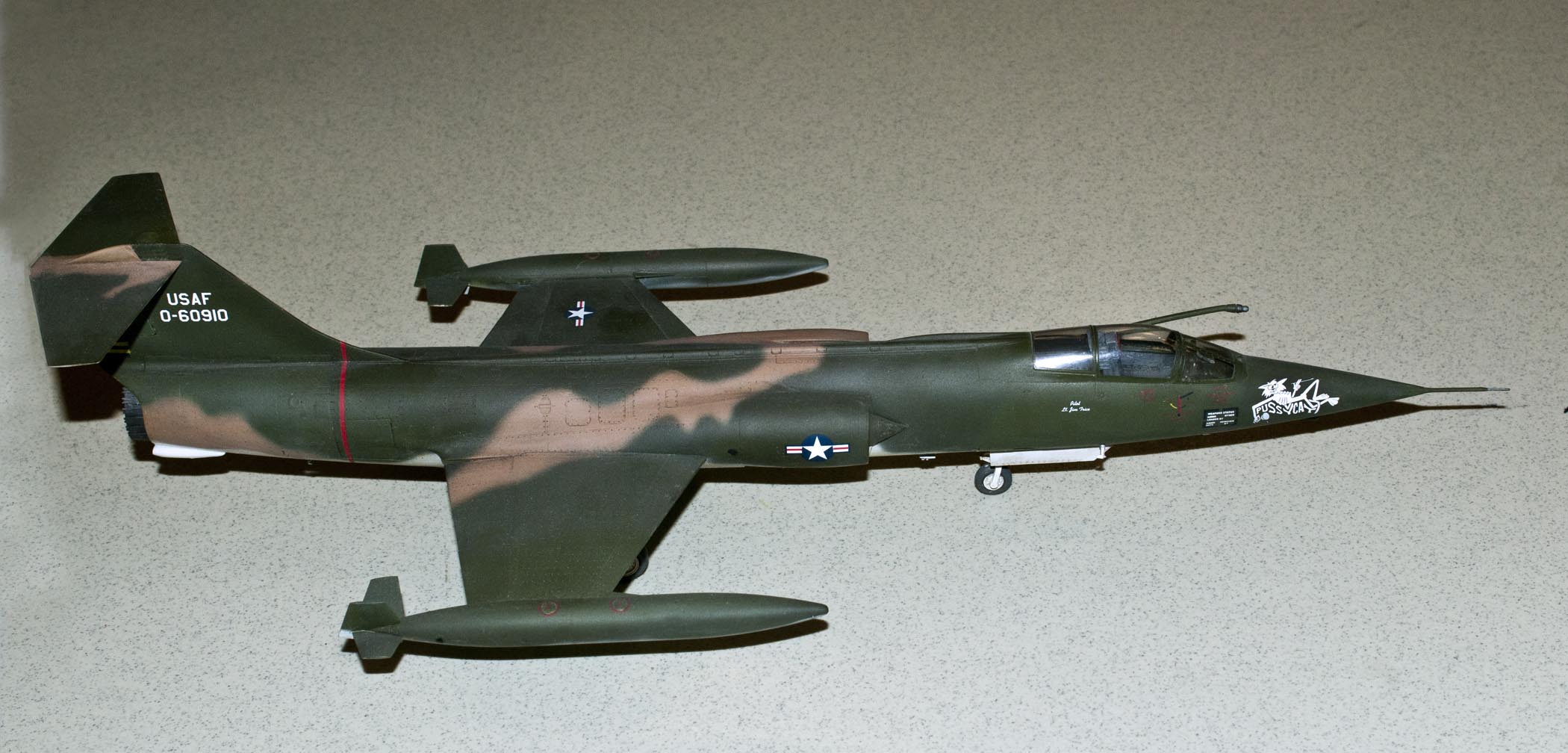
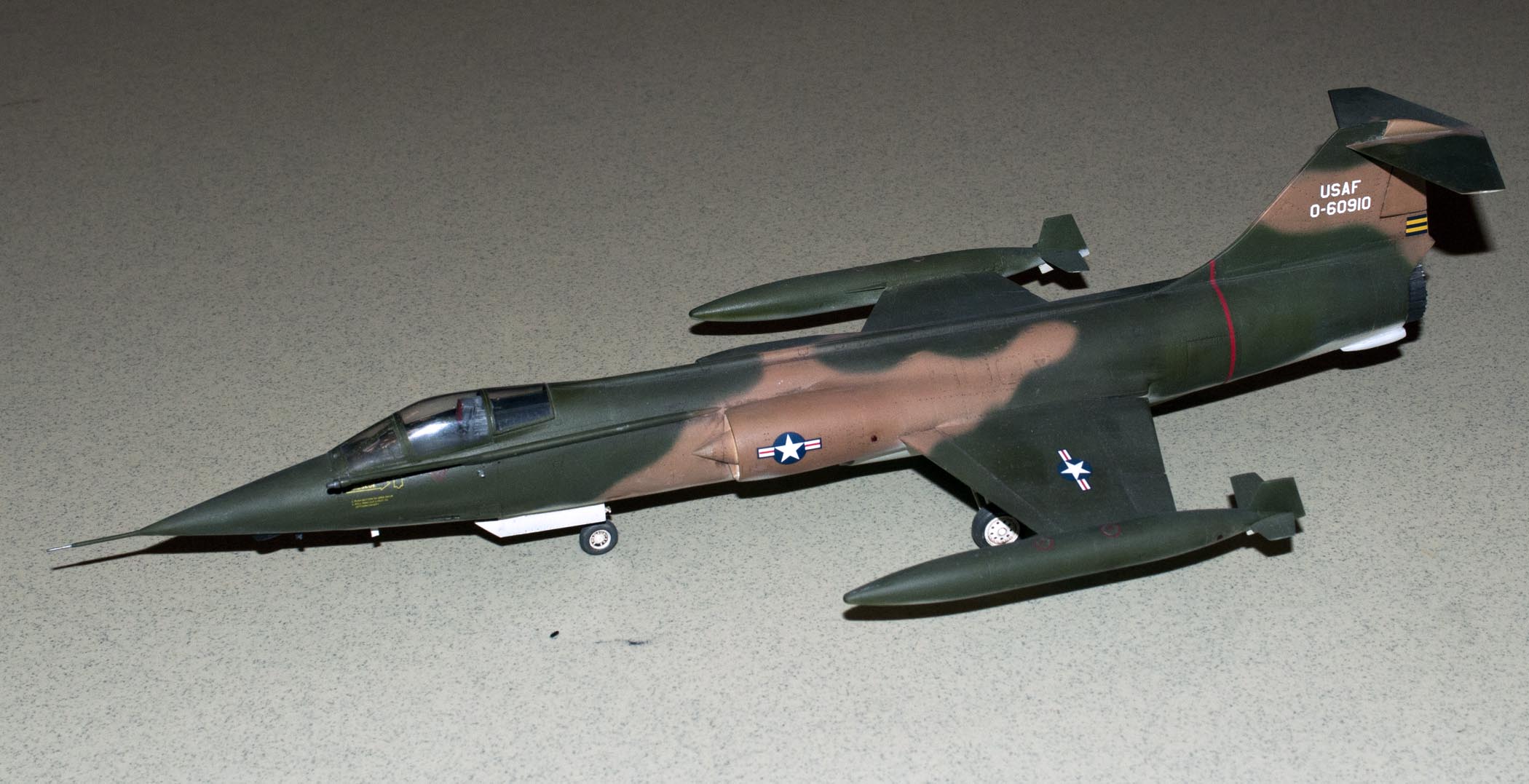
F-104C Starfighter, 1/48th, Hasegawa, built by Norris Graser

2016-feb-meeting-dsc_9814 2016-feb-meeting-dsc_9812 2016-feb-meeting-dsc_9816

Model Master paints, out of the box except SuperScale decals for a 1967 Udorn-based A/C, (pink) Pussycat; Cutting Edge resin seat (you still need parts of the kit seat to make it work). Scratch built the RHAW located under the forward fuselage utilizing an A-1 Skyraider pylon and reshaping it to match, plus cutting up and fairing in two F-16N targeting pods leftover from a Revell project for the two pods located just forward of the exhaust.

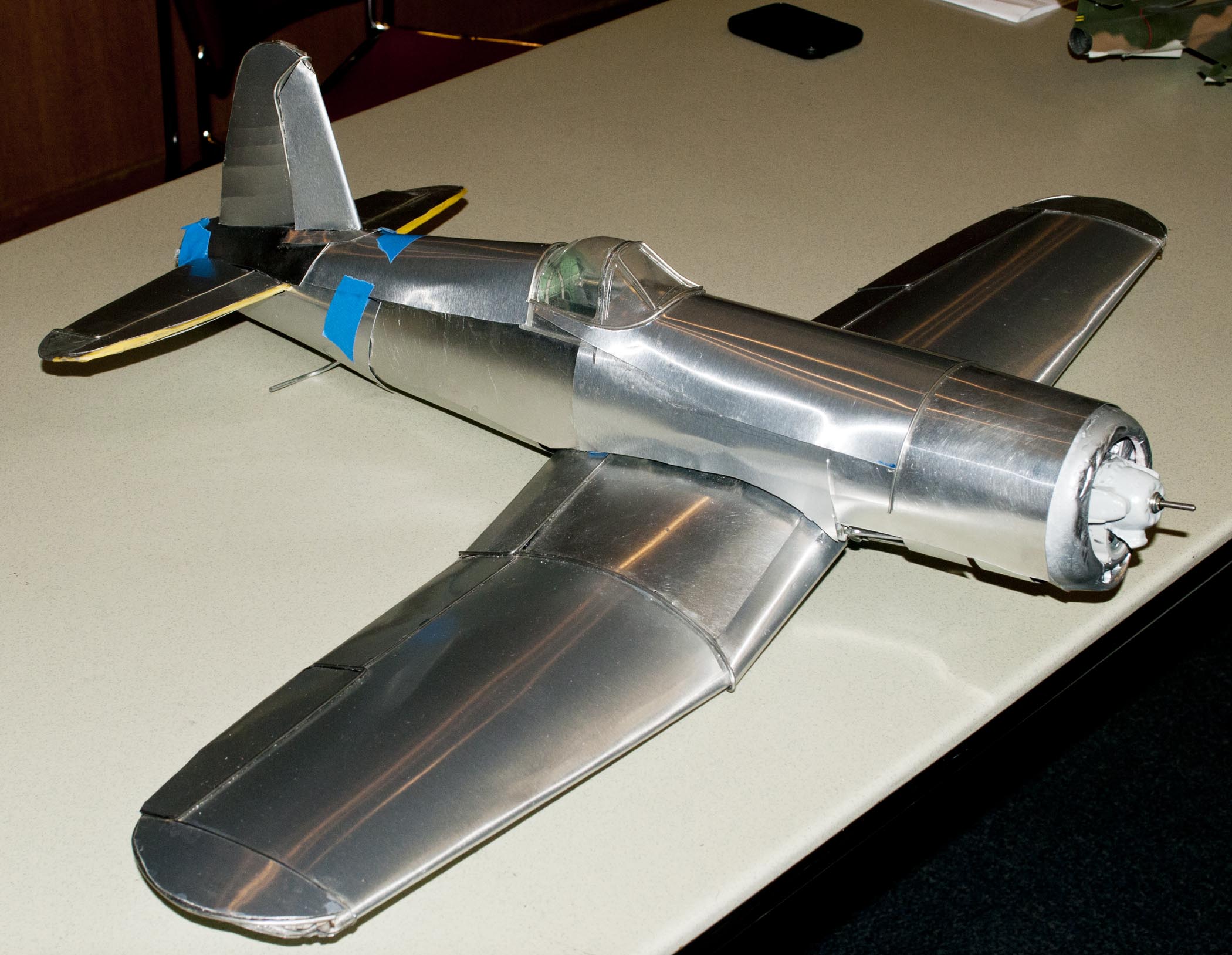
F4U-4 Corsair, Gulliows, 1/16th, built by John Koziol, Sr.

2016-feb-meeting-dsc_9822

John Sr. is working on this Gulliows wood and tissue Corsair model – he is replacing the standard tissue or balsa skin with metal.

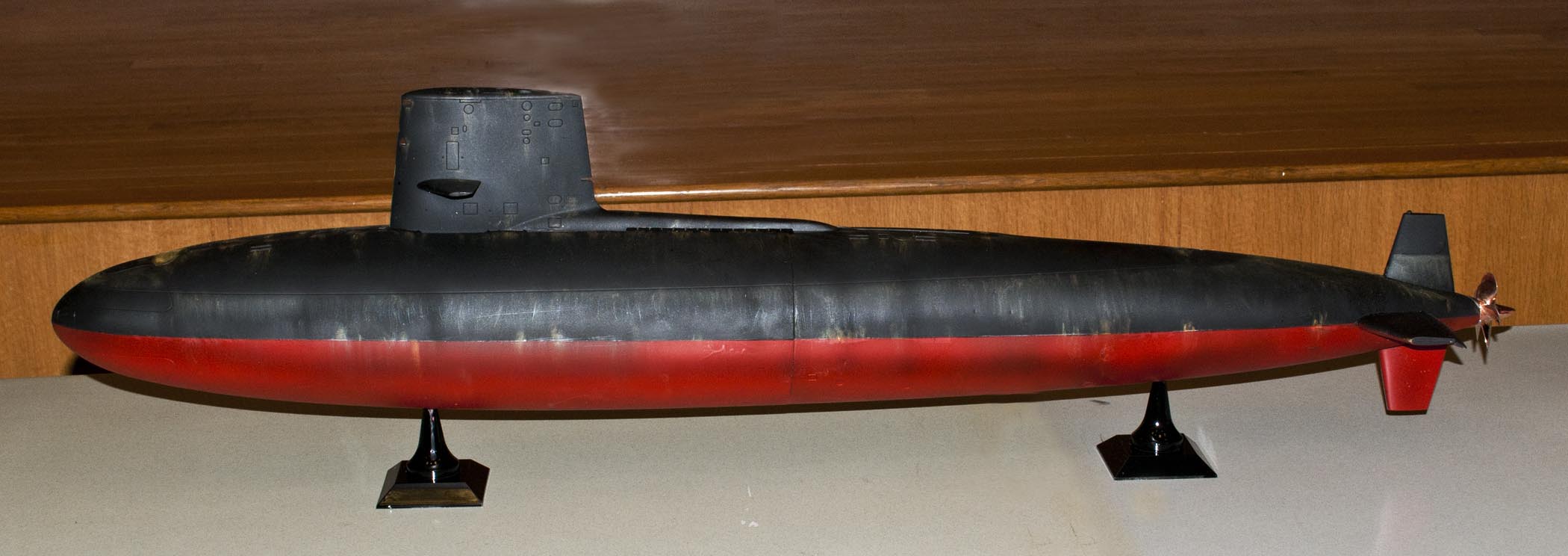
USS Skipjack, 1/72nd, Moebius, built by John Koziol

2016-feb-meeting-dsc_9818

John cast the propeller for this model in copper, and is trying different weathering techniques than he has used on his submarine models before.

Posted in Recaps and Photos, Themes and Programs | Leave a comment

January 2016 Meeting Notes

January 29, 2016 McKinstry Meeting
Theme: Land of Lincoln – Anything Illinois

Program: Charlie Scardon – Making Water, Pt. 2

(Due to a longer-than-expected, model-packed display table, Charlie’s program from November was postponed AGAIN until the February meeting.)

Notes by Paul Gasiorowski and The Tick

Attending for the 1st meeting of 2016 were: Frank Ress, Lee Lygiros, Brian Gardner, John Koziol Jr., John Koziol Sr., Paul Gasiorowski, Jim Batchelder, THE TICK, Charlie Scardon, Steve Kumamoto, Mark Murray, Scott Olsen, Dan Paulien, Glen Estry, Carl Geiger, Mike Hanlon, Ed Mate

A short discussion was held about getting a display cabinet for November 2016 to commemorate the 75th Anniversary of the attack on Pearl Harbor. Paul will contact the library to firm up the date. The next meeting we will have a short discussion on what might be displayed in the cabinet, including books related to the subject, a map showing the attack flights on Pearl Harbor, specific models for that date, and anything else related to that day. We need a title for the display, e.g. “December 7, 1941 – A Day Of Infamy”, statistics, etc.

Reports included: Treasury status, and amount to charge for this year’s dues. Webmaster Frank Ress commented on the status of the new website. The Tick asked for articles and reviews for the Newsletter and website. Meeting themes were noted for the upcoming year.

Theme: Land of Lincoln – Anything Illinois

Members brought in some interesting models and show ‘n tell went on until the last possible minute before ending the meeting.

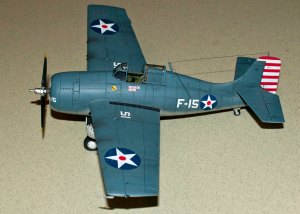
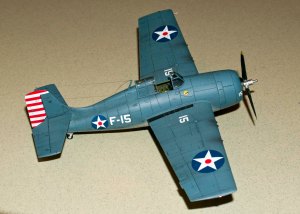
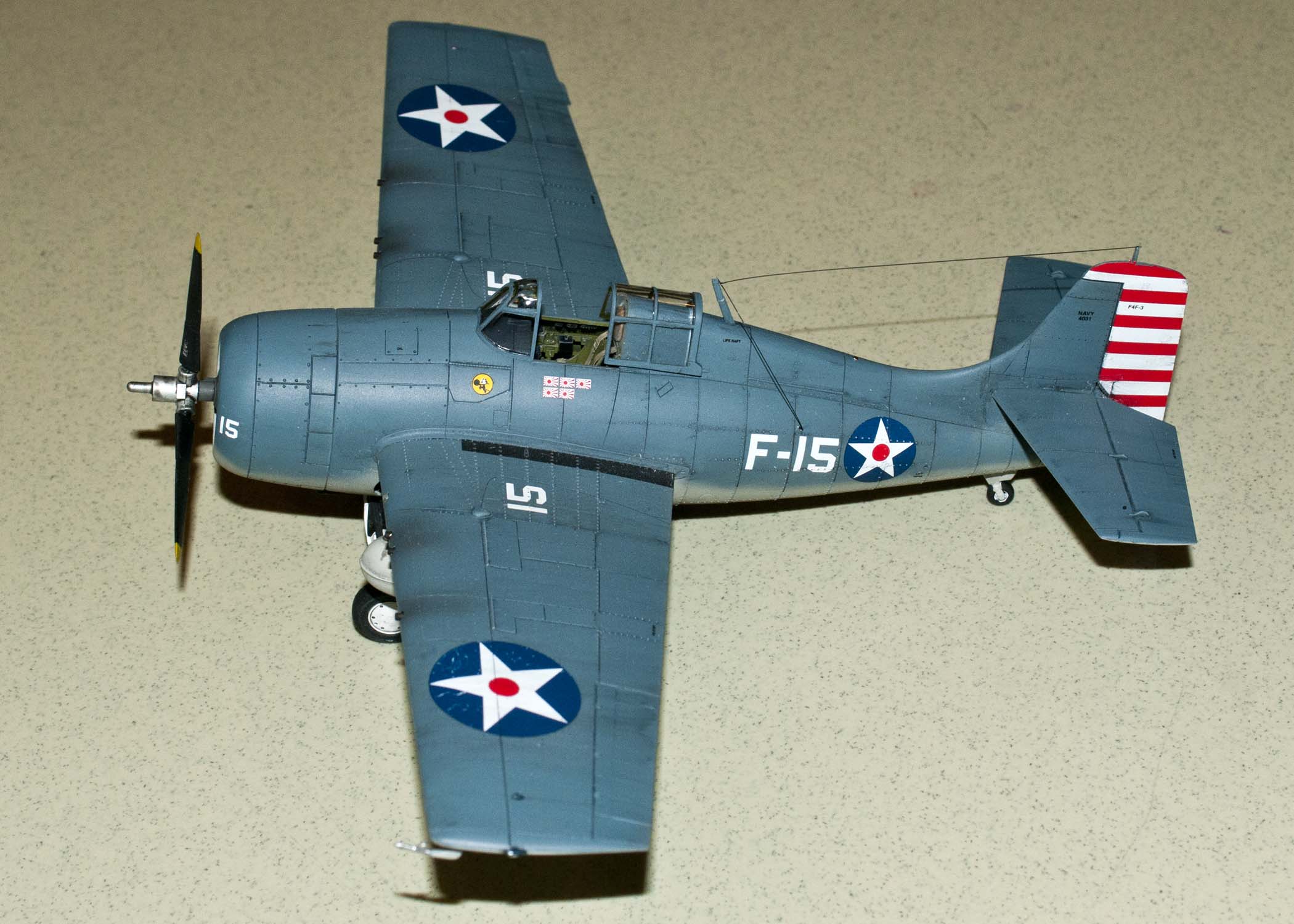
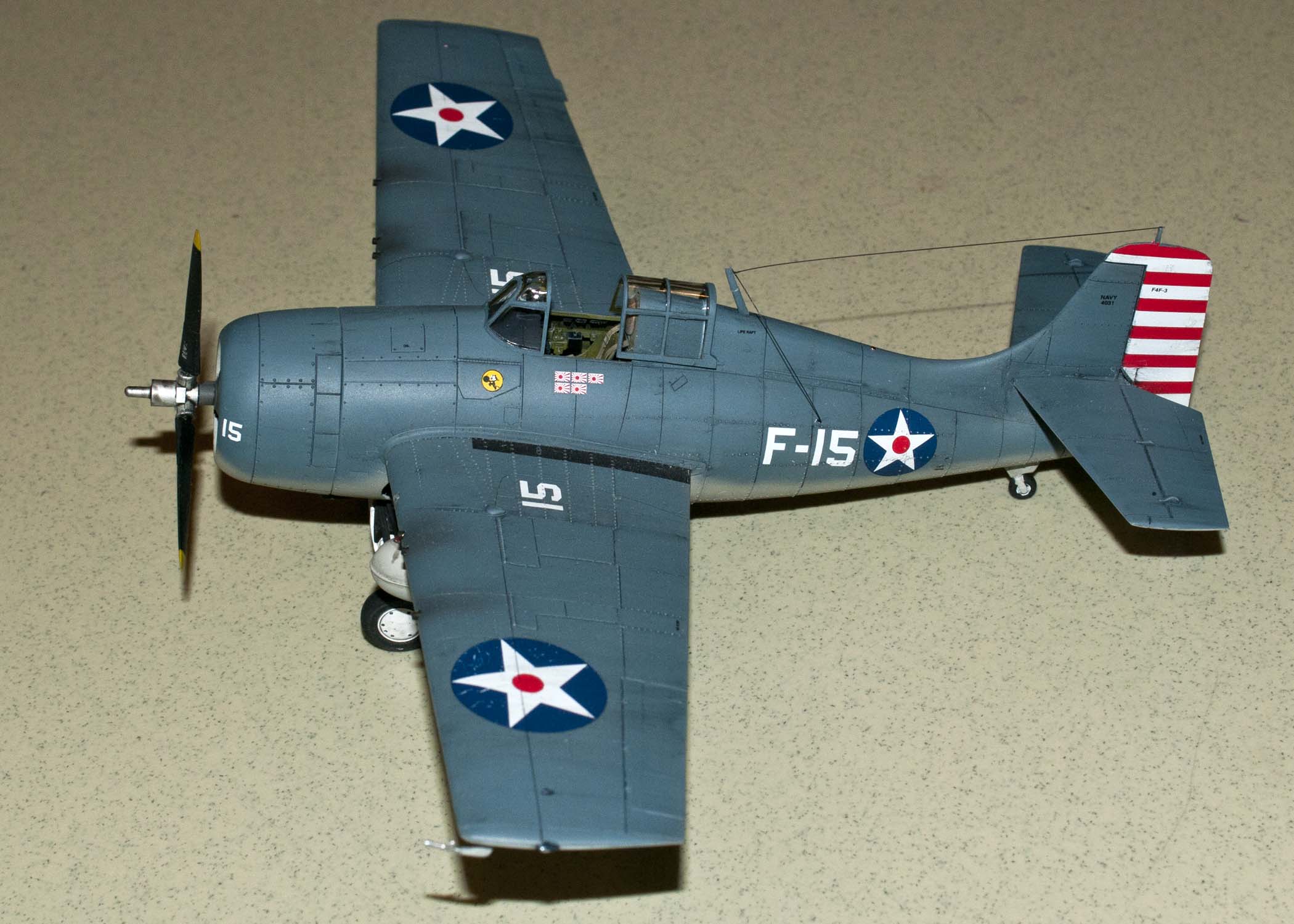
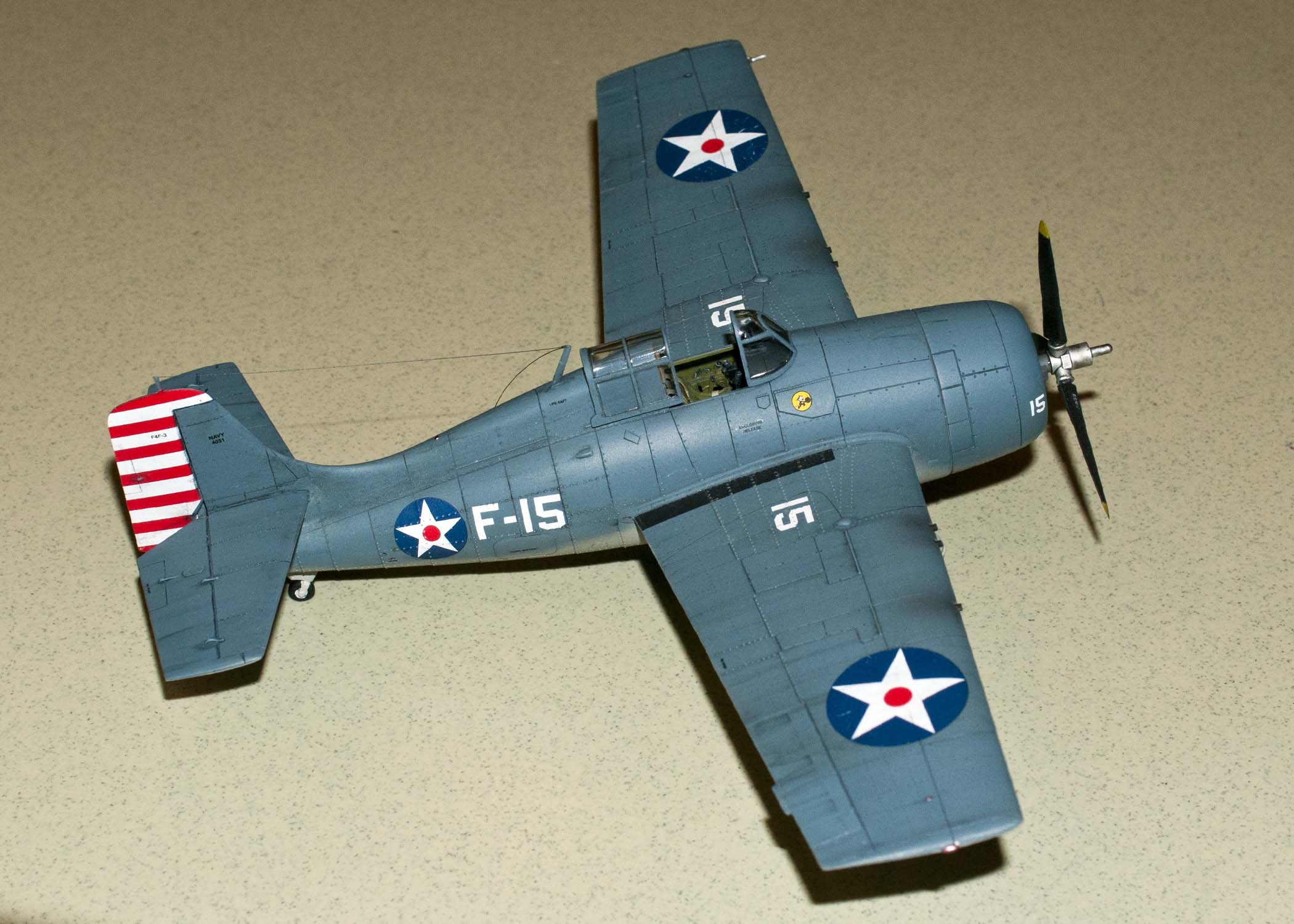
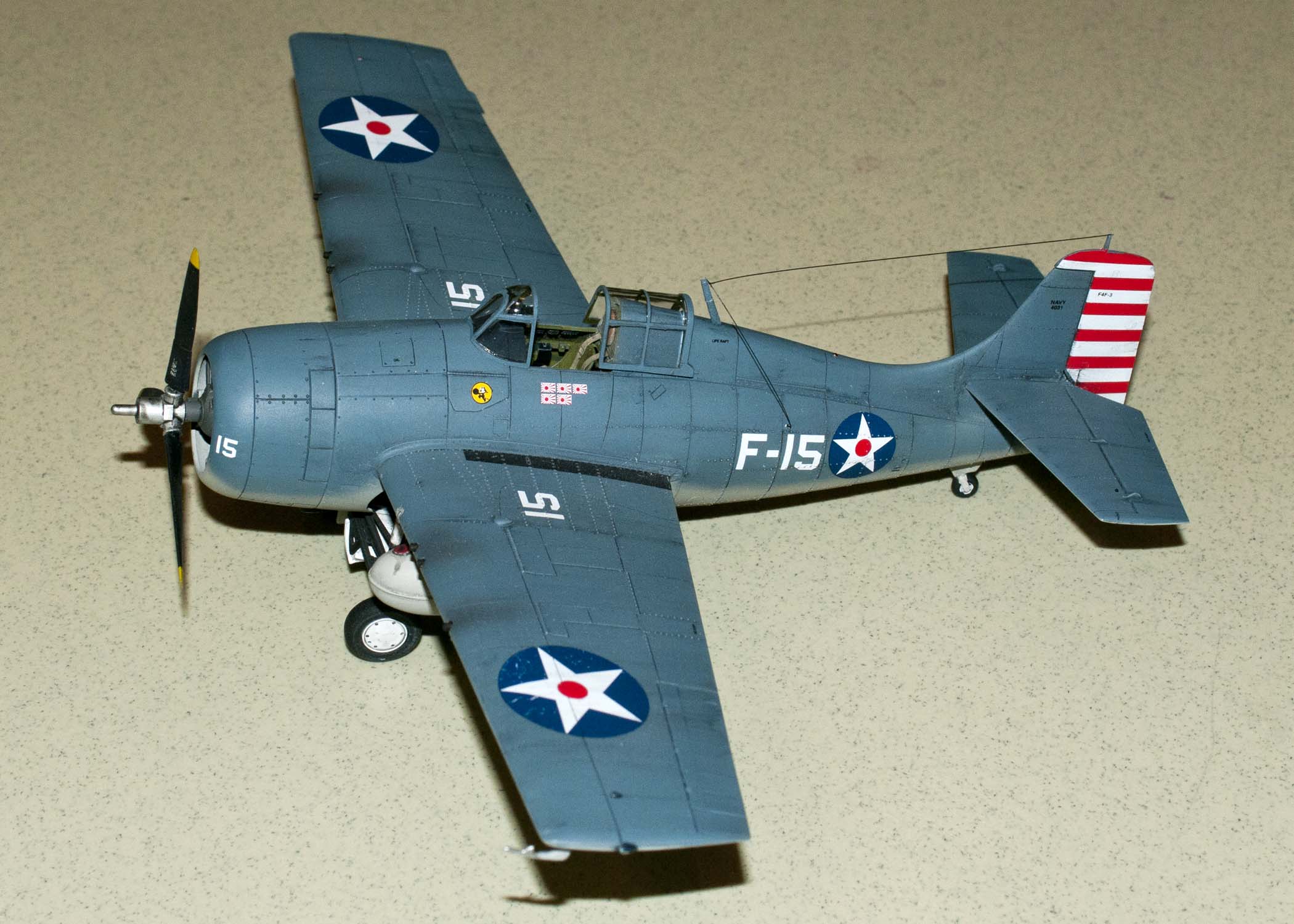
F4F-4 Wildcat, 1/48th, Monogram, built by Dan Paulien
2016 Jan Meeting DSC_9776 2016 Jan Meeting DSC_9777 2016 Jan Meeting DSC_9778 2016 Jan Meeting DSC_9779

Built mostly OOB, removed the cowl intake to represent the F4F-3. Super Scale decals. This Wildcat in the markings of Lt. Cdr. Edward Henry “Butch” O’Hare WW II, who on 20 Feb ’42 became the Navy’s 1st flying ace when he shot down 5 Japanese bombers and damaged a 6th. O’Hare Int’l Airport named after Butch.

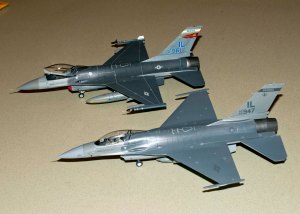
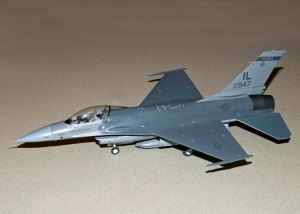
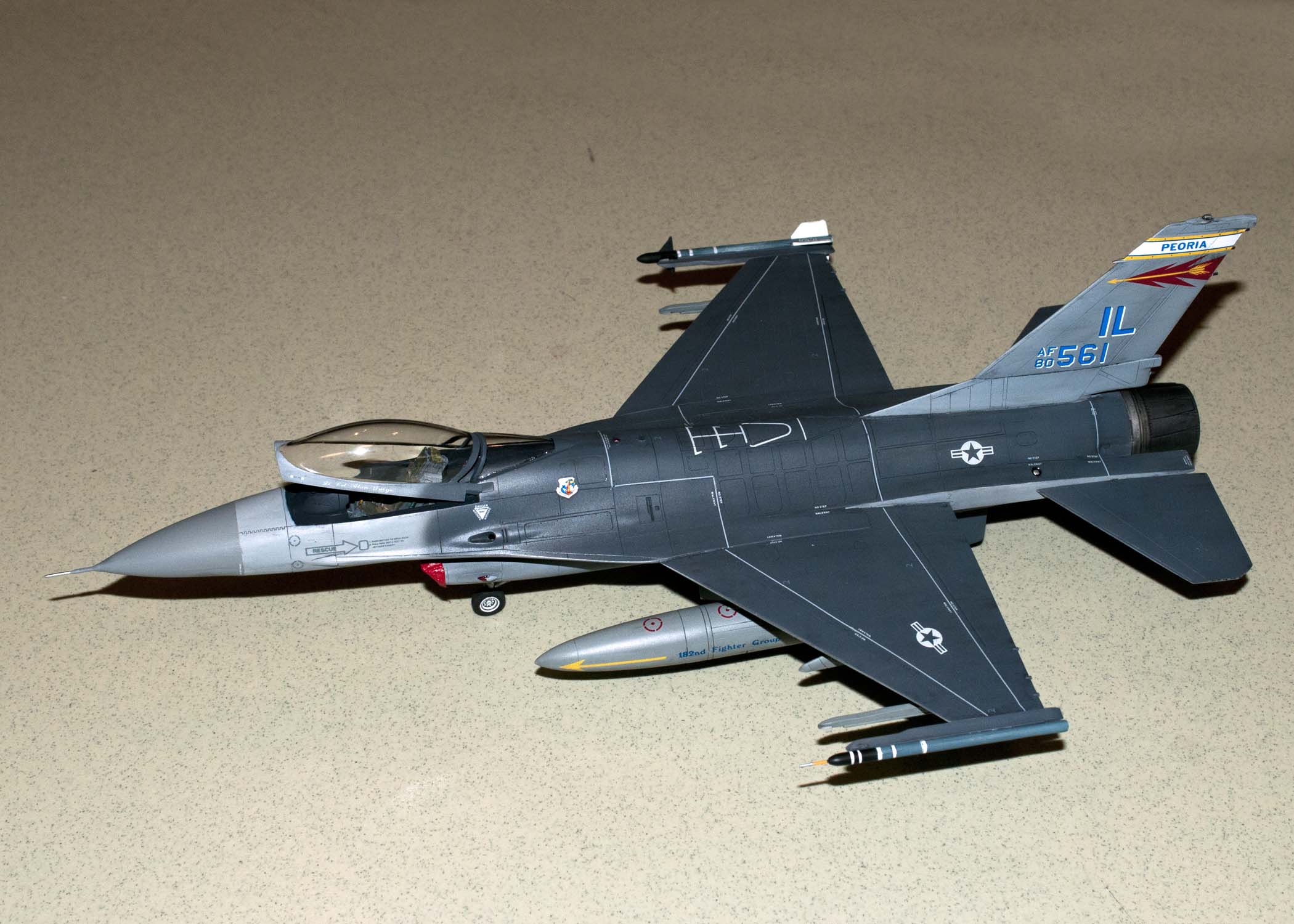
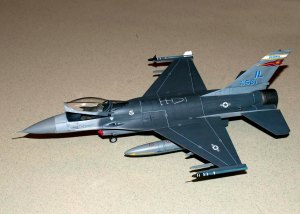
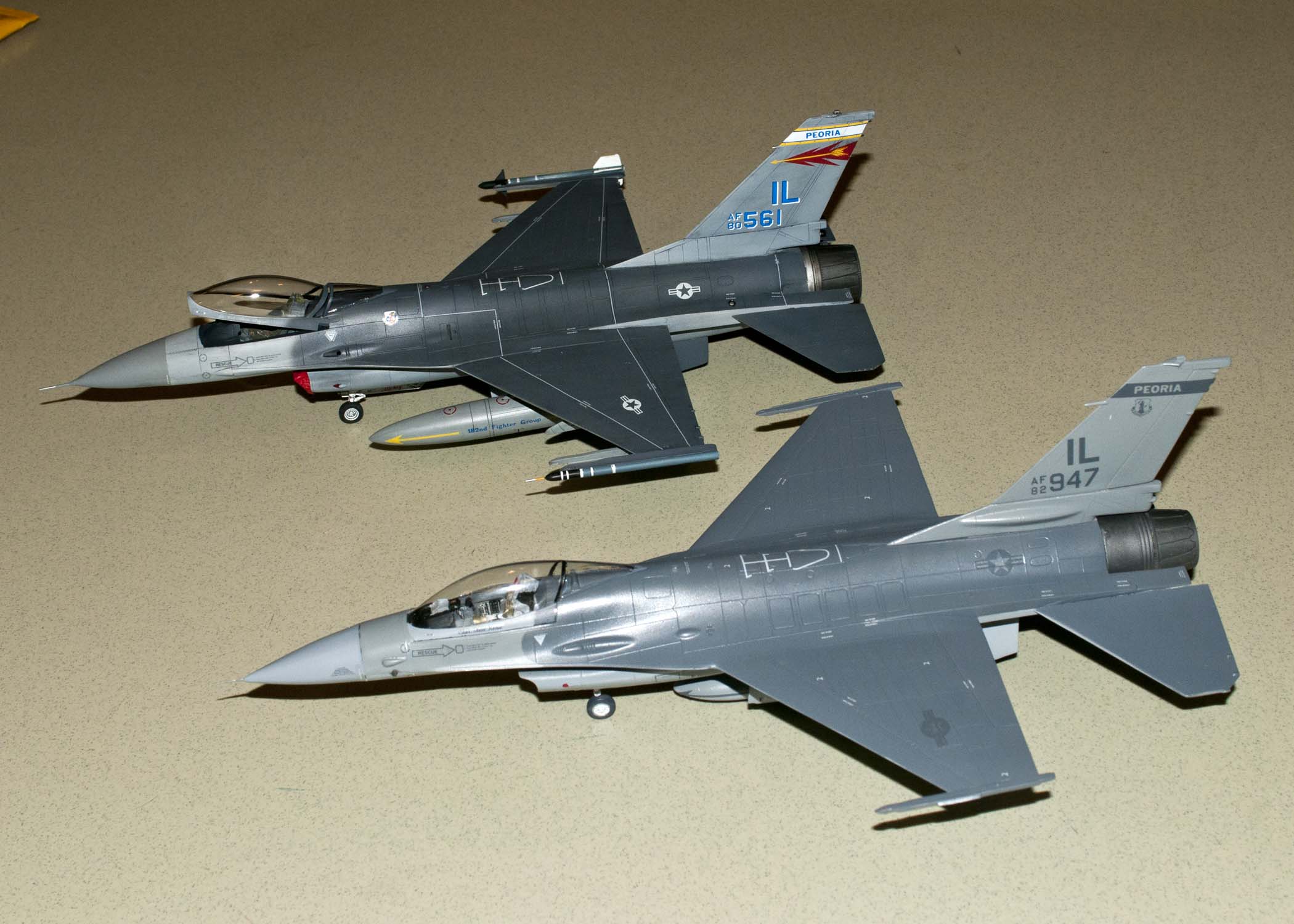
F16-A Falcon, 1/48th, Academy, built by Dan Paulien
2016 Jan Meeting DSC_9772 2016 Jan Meeting DSC_9775

182nd FW Commander, Peoria ANG, 1991. Also: McMember Steve Konie had his last flight in this F-16, in these markings. Special Operation Longbow Competition markings; OOB, Super Scale decals. Dan modified the ACMI pod. The Sidewinders mounted per decal suggestion. Intake had a ridge inside so Dan made a FOD intake cover from tissue paper and white glue and painted red. Model Master paints.

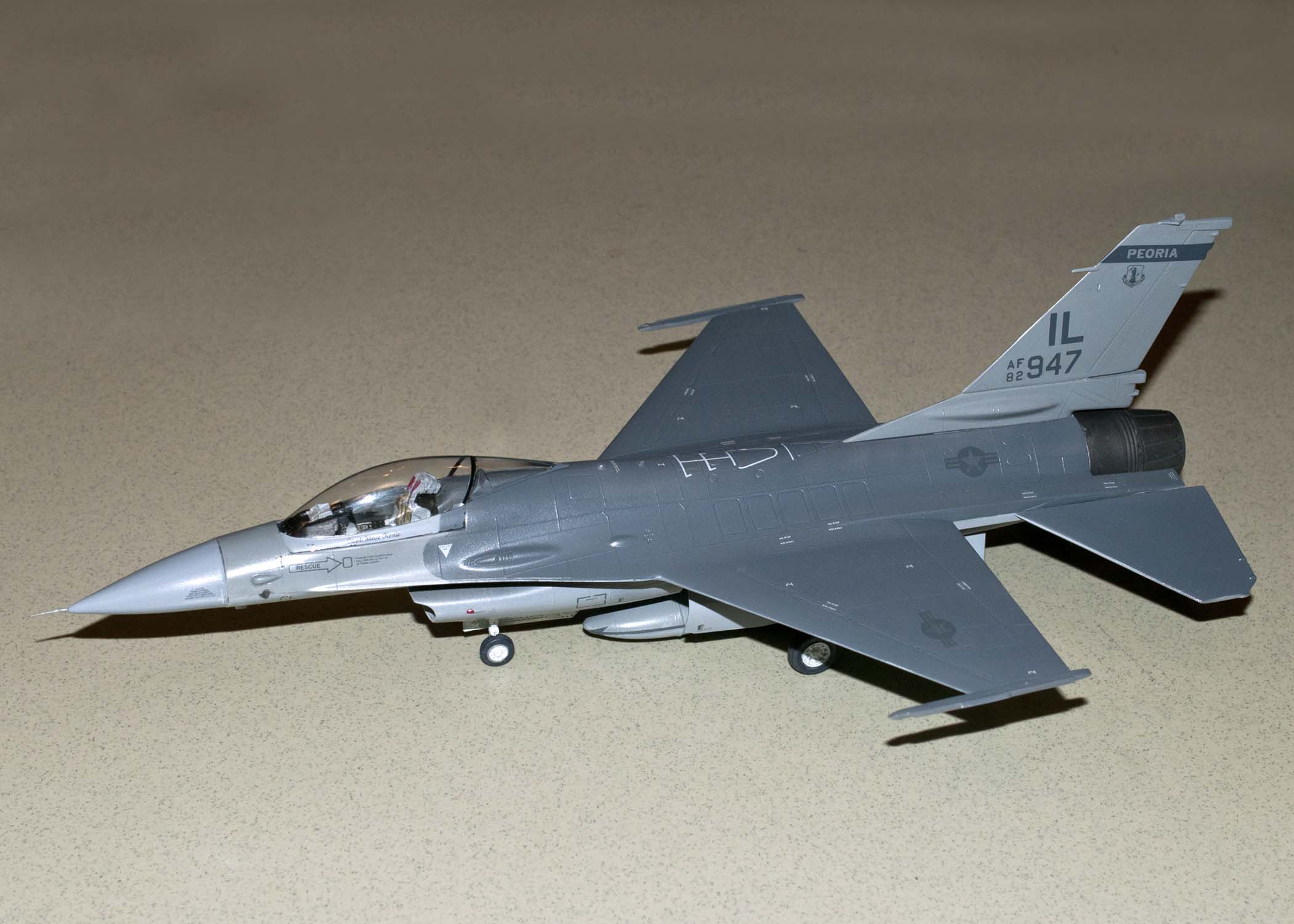
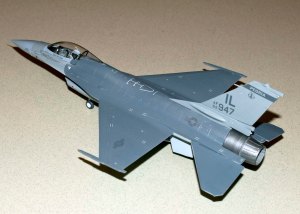
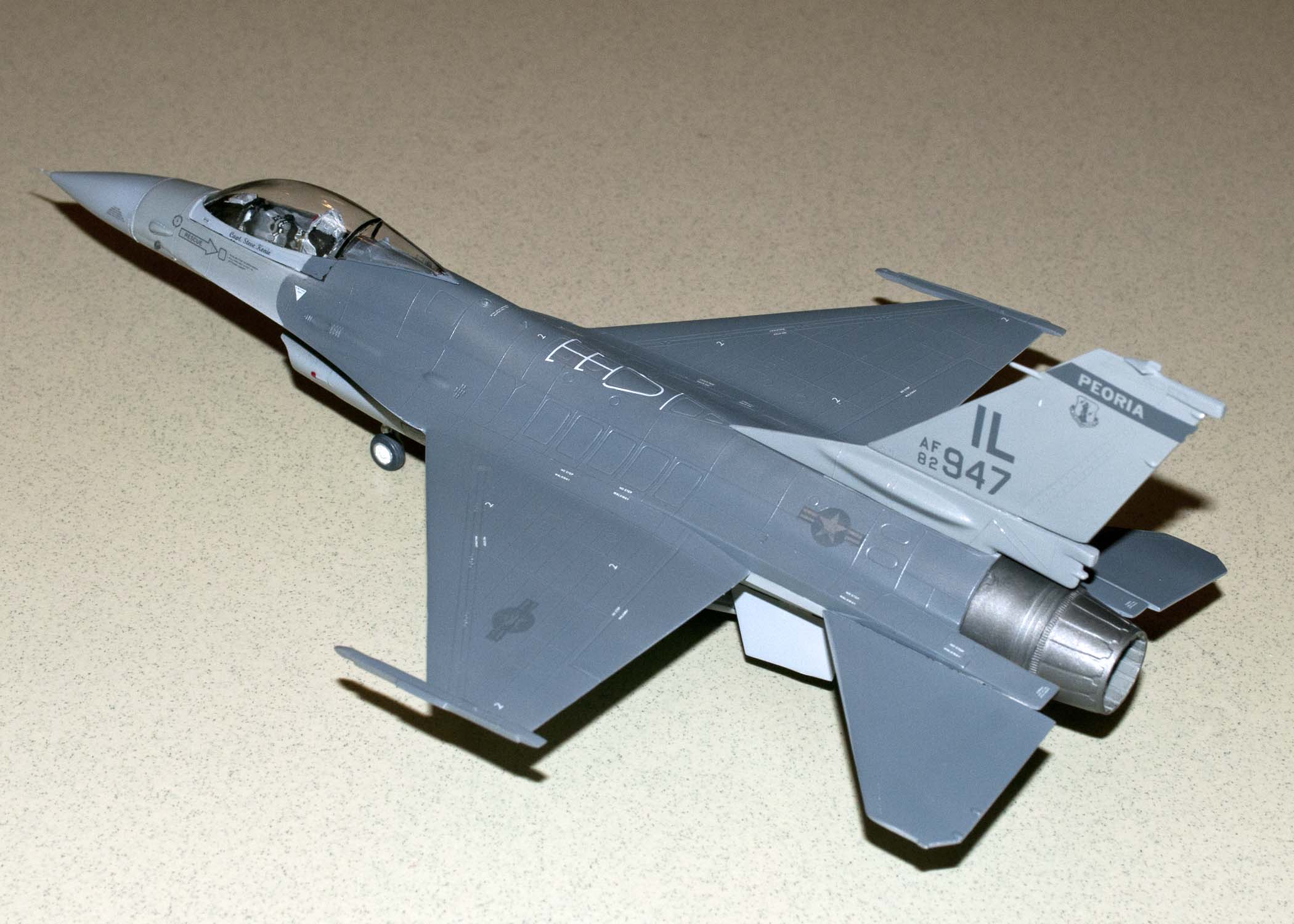
F-16B, ADF, 1/48th, Revell, built by Paul Gasiorowski
2016 Jan Meeting DSC_9770 2016 Jan Meeting DSC_9769

162nd FS/182nd FW, Peoria, Illinois. 1990. Representing McK member Steve Konie assigned F-16. Resin ejection seat, Model Master Acrylic paints. SuperScale Decals.

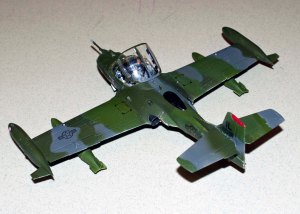
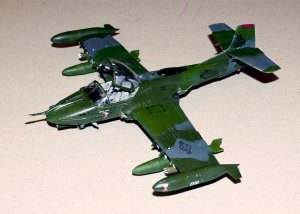
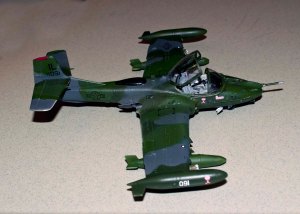
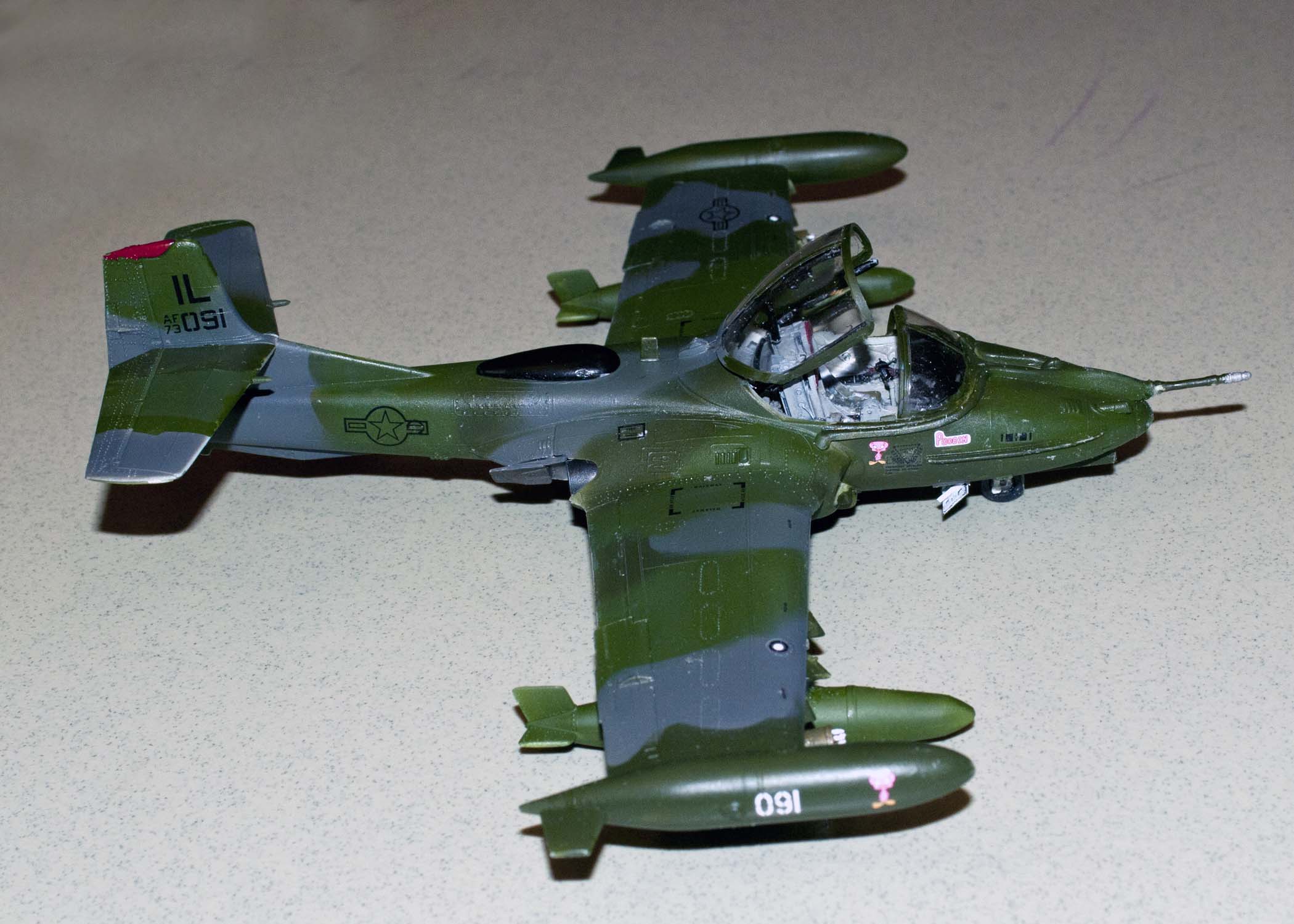
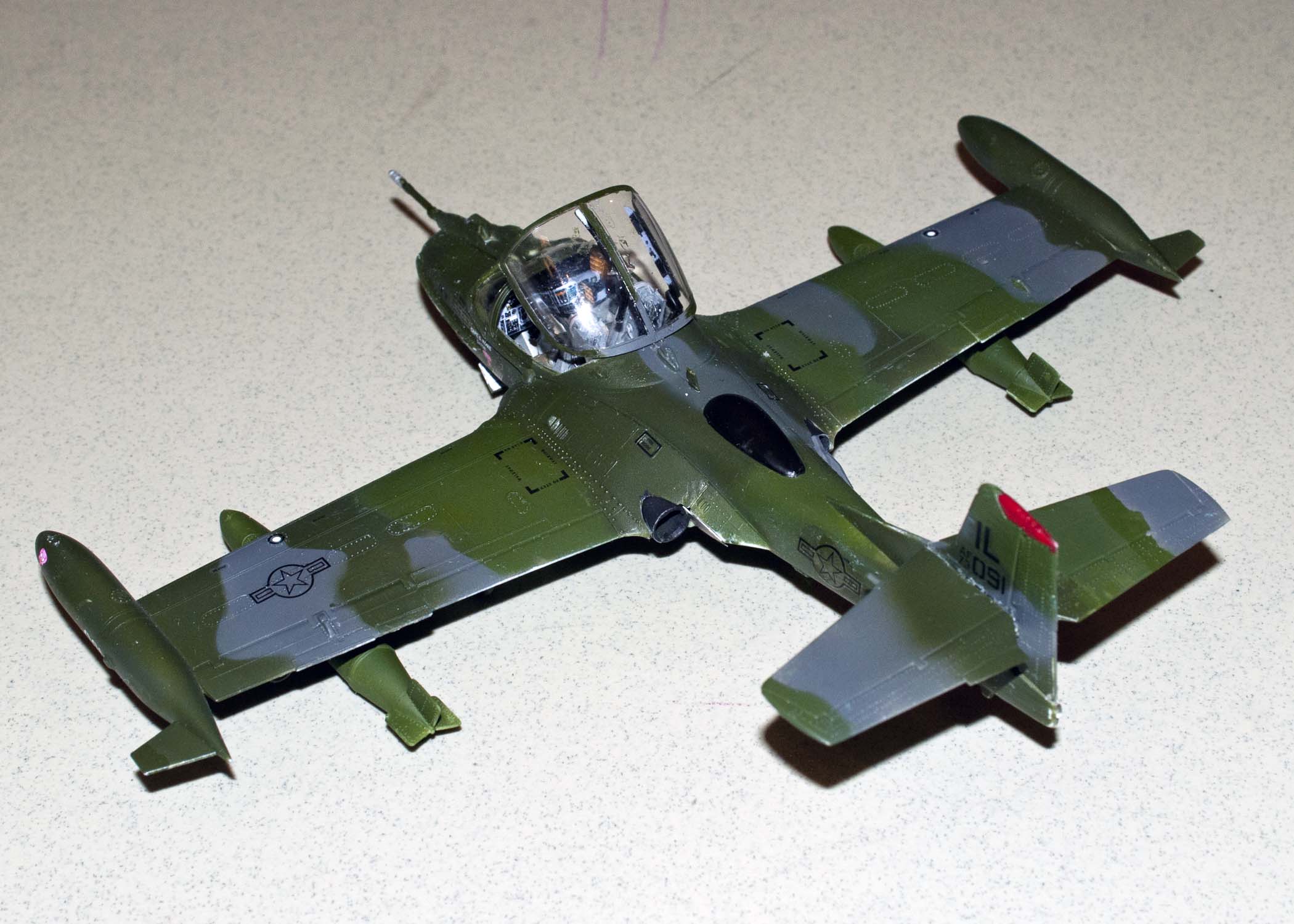
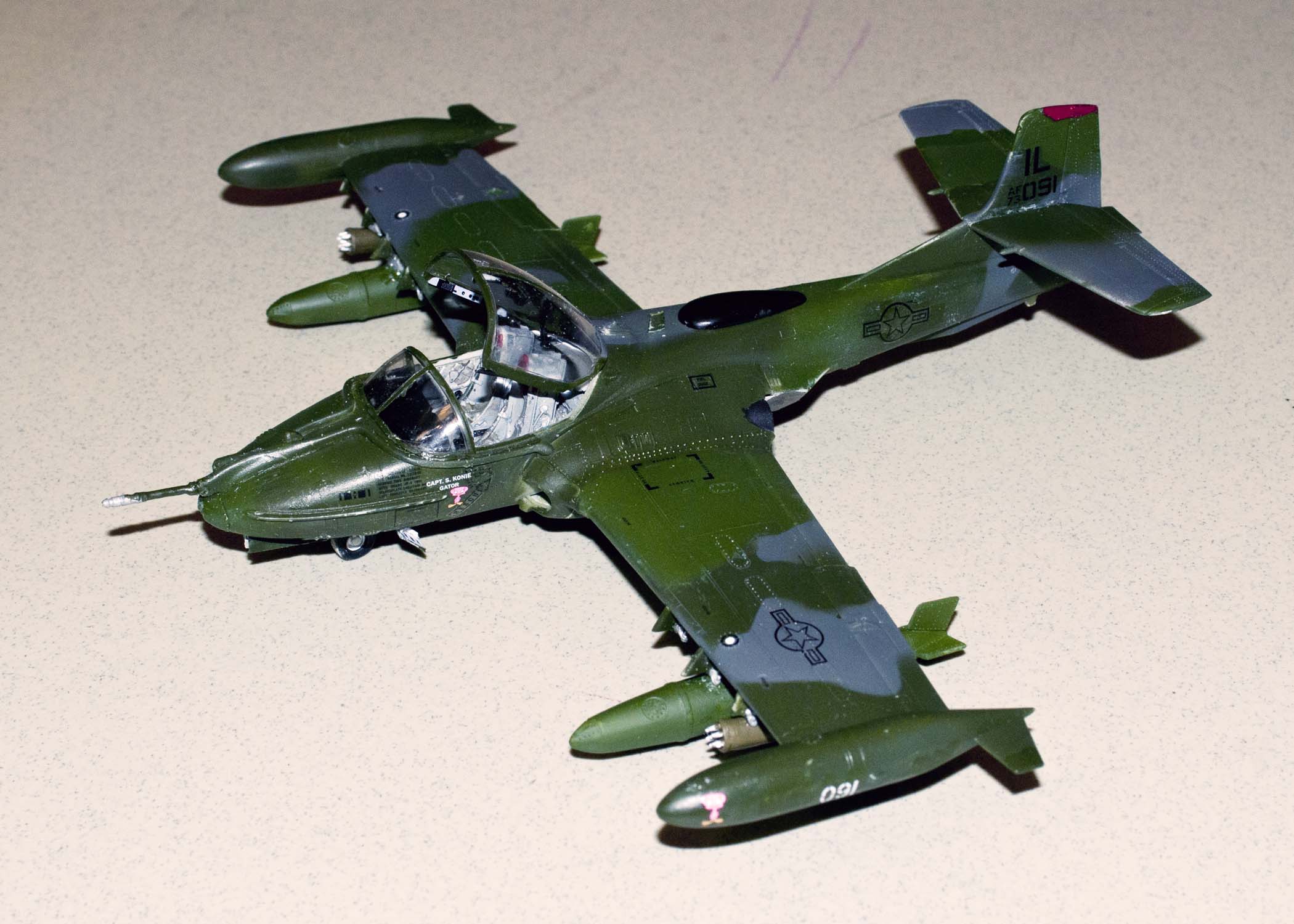
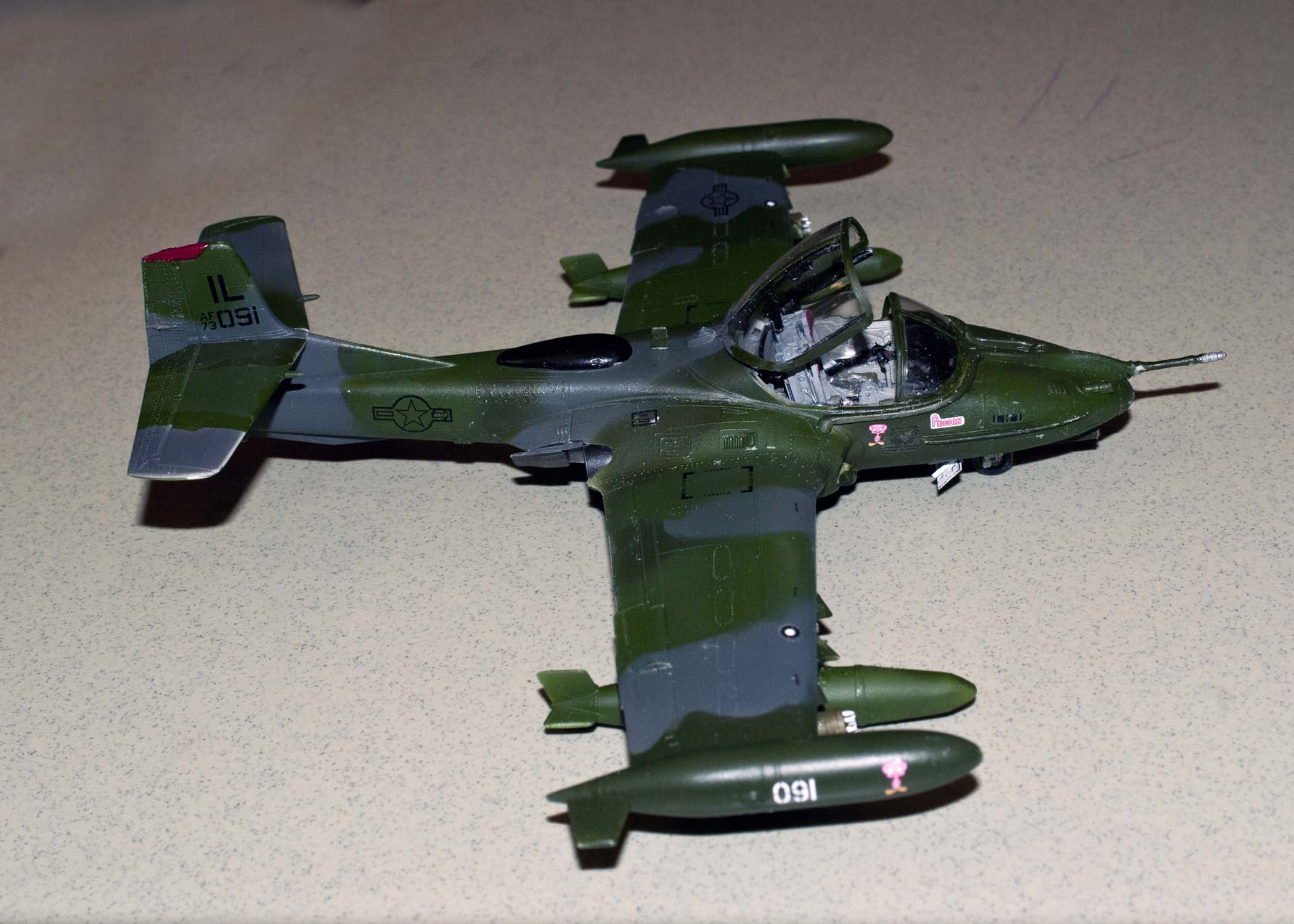
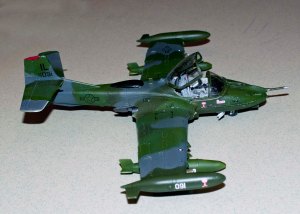
OA-37B Dragonfly, 1/48th, Encore/Monogram, built by Jim Batchelder
2016 Jan Meeting DSC_9753 2016 Jan Meeting DSC_9751 2016 Jan Meeting DSC_9750 2016 Jan Meeting DSC_9752

SuperScale decal; 162TAS/182nd TASG, Peoria, ANG. Open House markings for the NAS Glenview open house, 1990. 3 tone Euro I scheme.

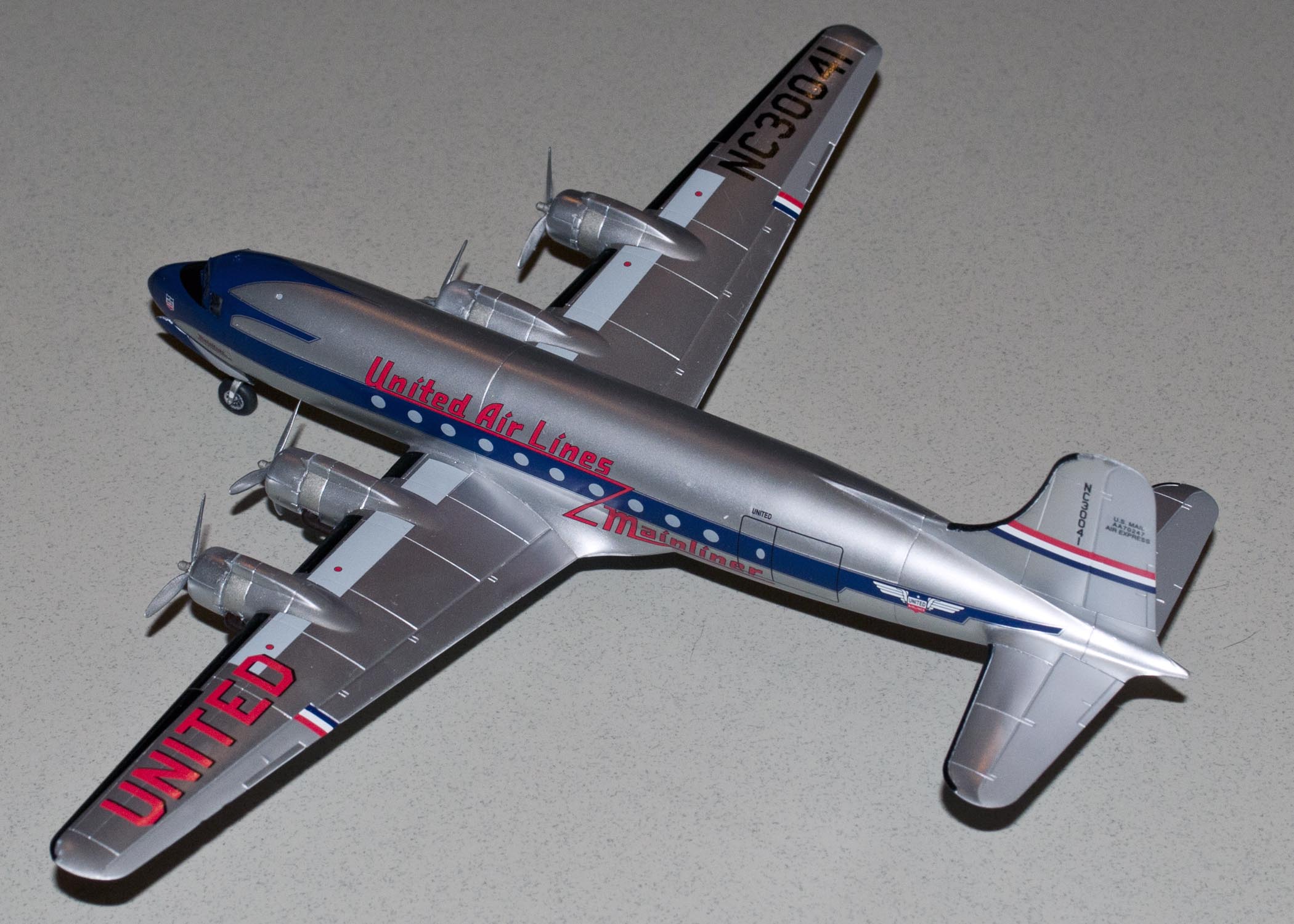
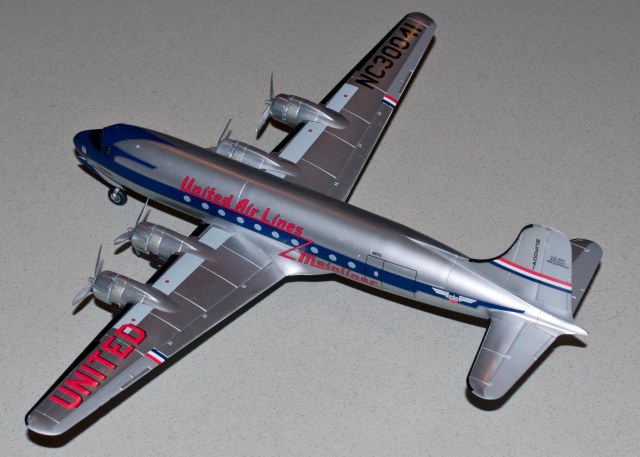
DC-4, 1/144th, Minicraft, built by Carl Geiger
2016 Jan Meeting DSC_9791

United Airlines livery. Manufactured at Douglas / Orchard Field (later renamed O’Hare Airport.)

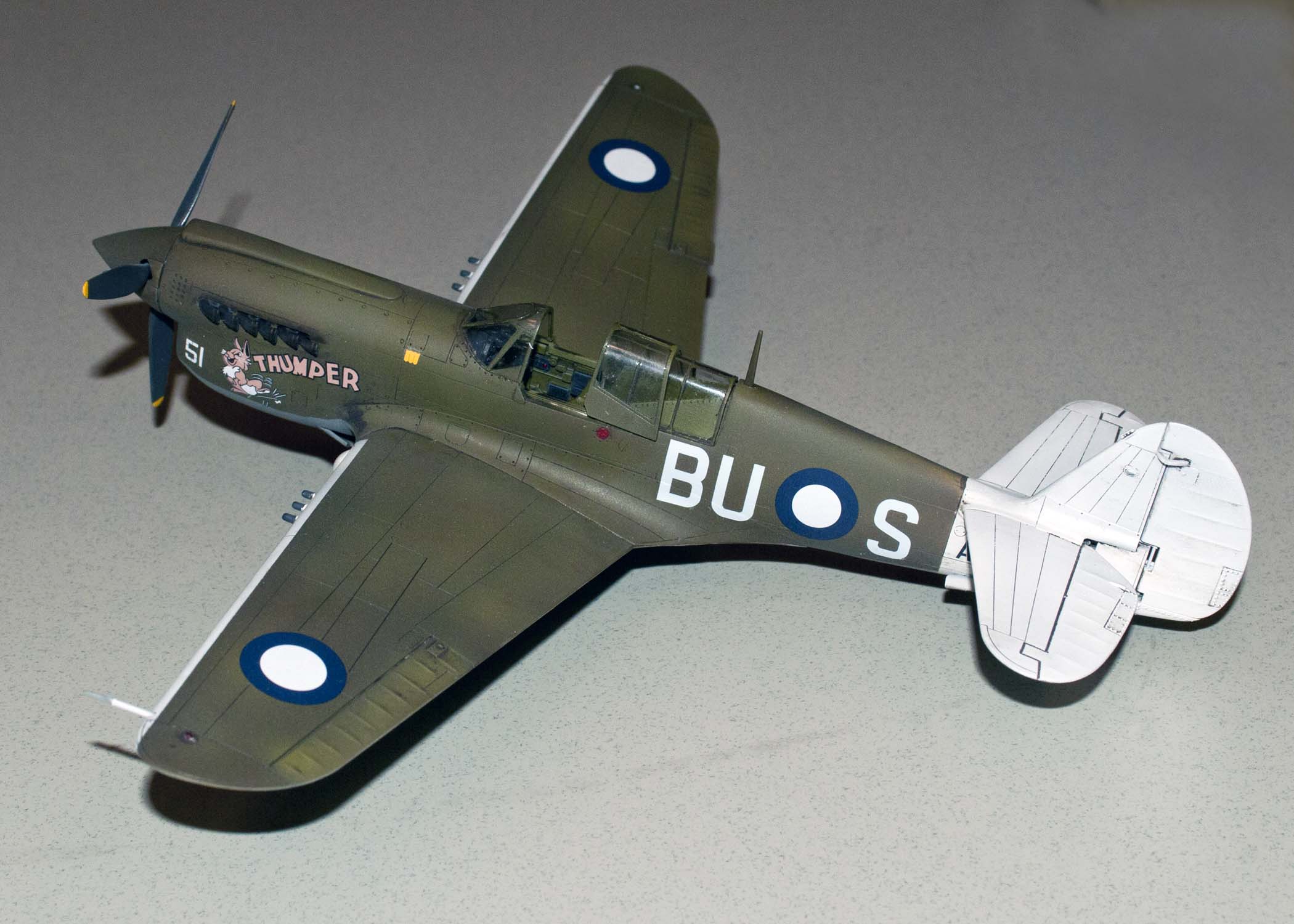
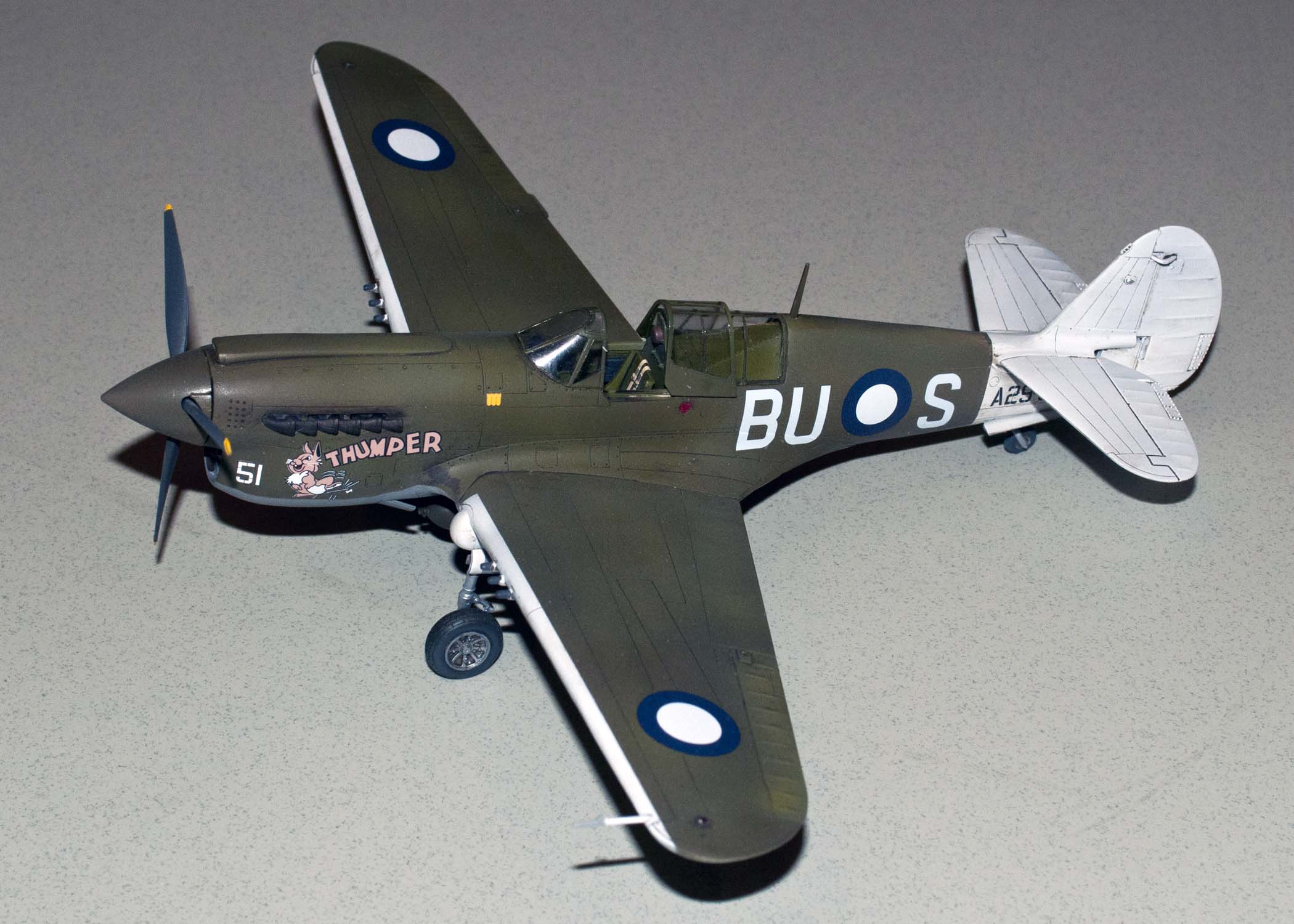
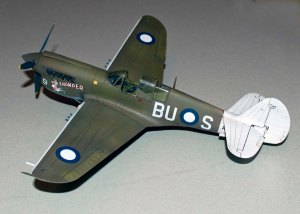
P-40N Kittyhawk, 1/48th, Hasegawa, built by Mike Hanlon
2016 Jan Meeting DSC_9746 2016 Jan Meeting DSC_9745

Markings for No. 80 squadron, RAAF Noemfoor, 1944. Lt John N. Ollivier. Paint: Gunze Olive Drab 1 (H52) and Tamiya white, Neutral Gray. Decals are DK, a Czech Republic decal Mfr.

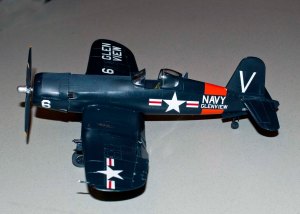
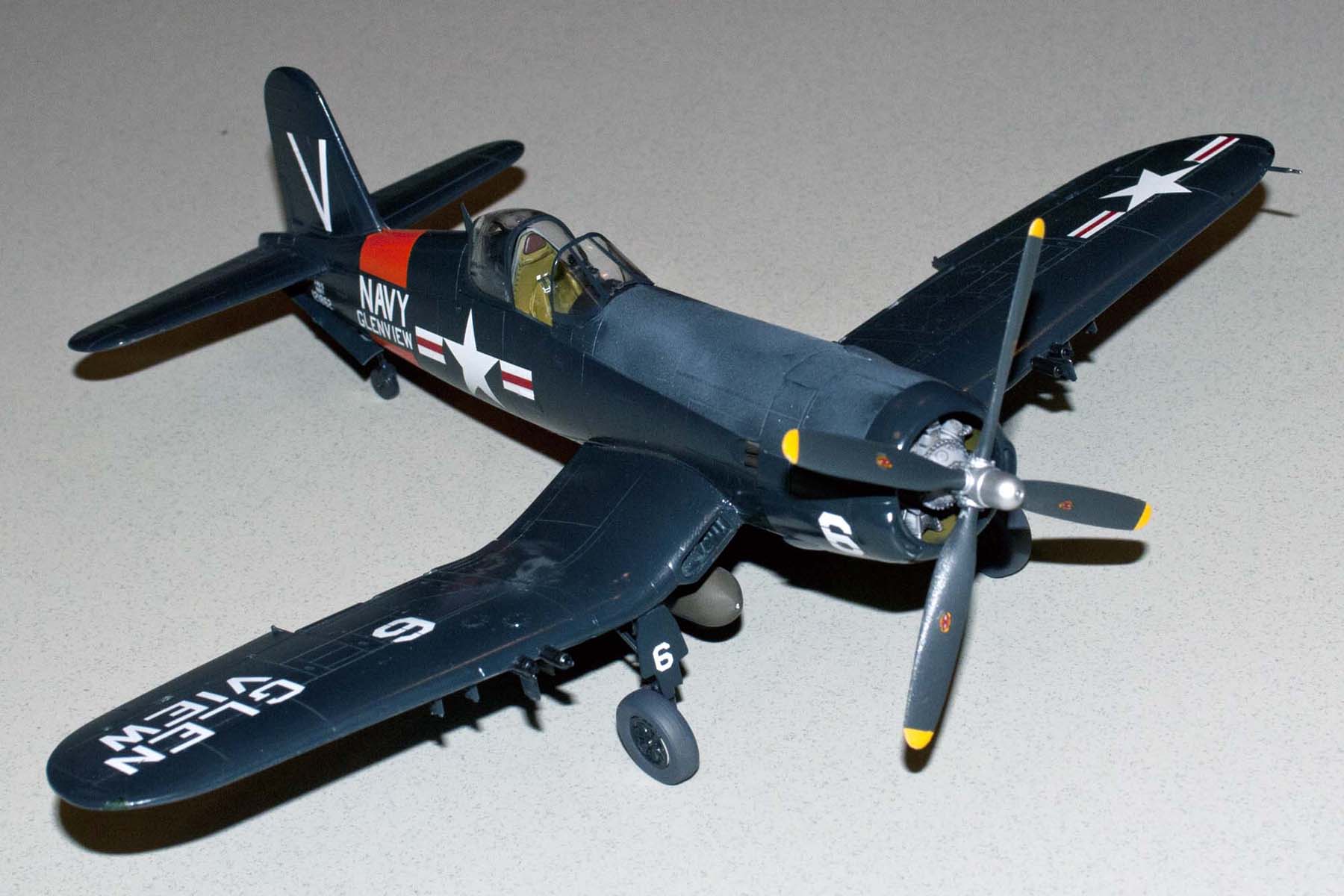
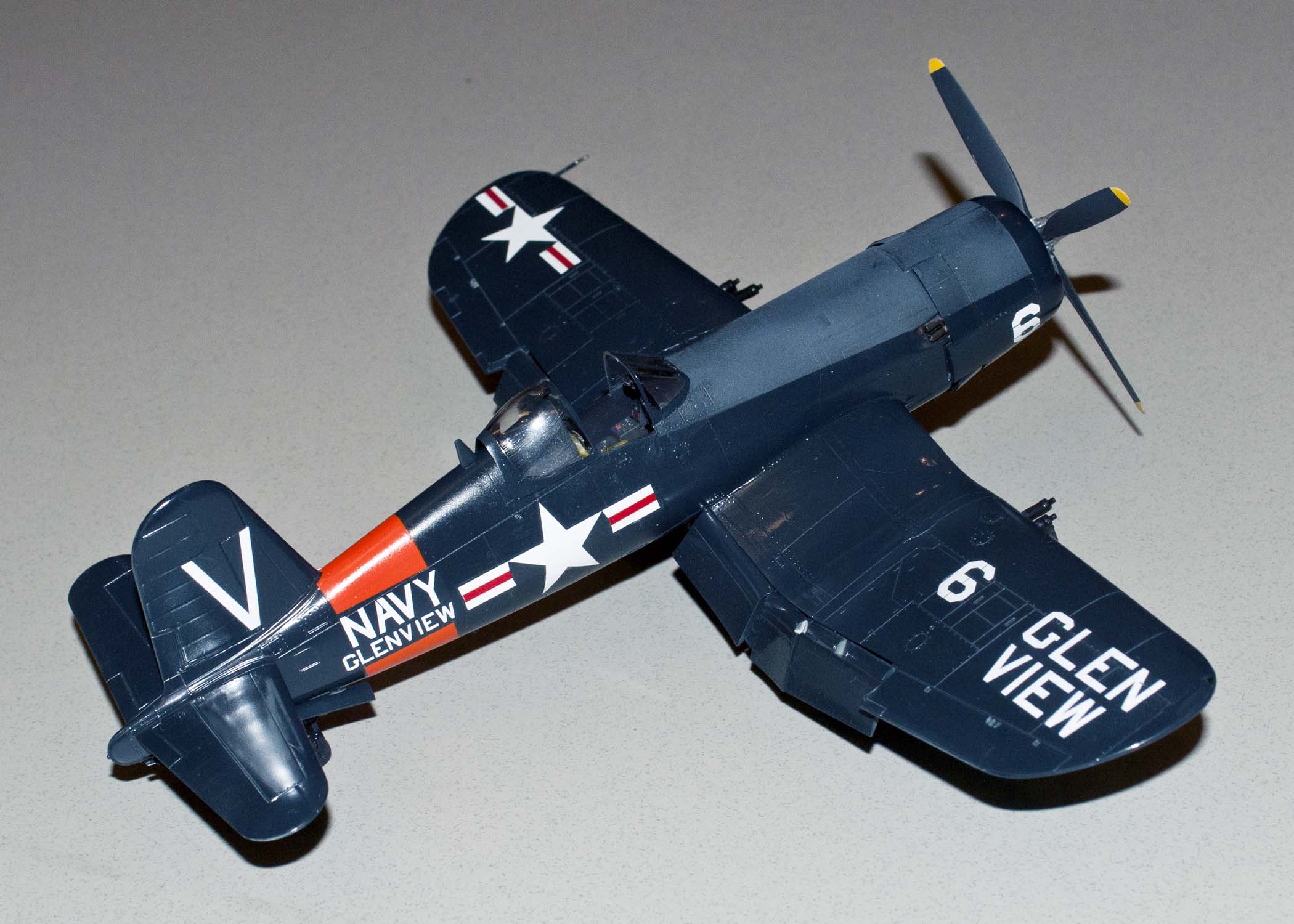
F4U-5 Corsair, 1/48th, Hasegawa/ProModeler, built by Mike Hanlon

2016 Jan Meeting DSC_9749 2016 Jan Meeting DSC_9748 2016 Jan Meeting DSC_9747

Markings for a Corsair based at NAS Glenview, IL. 1950. Kit decals (CartoGraf) Gunze Navy Blue. Vallajo Matt Varnish for the anti-glare.

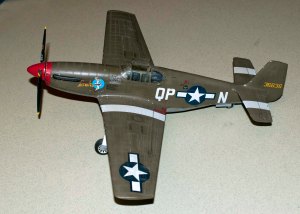
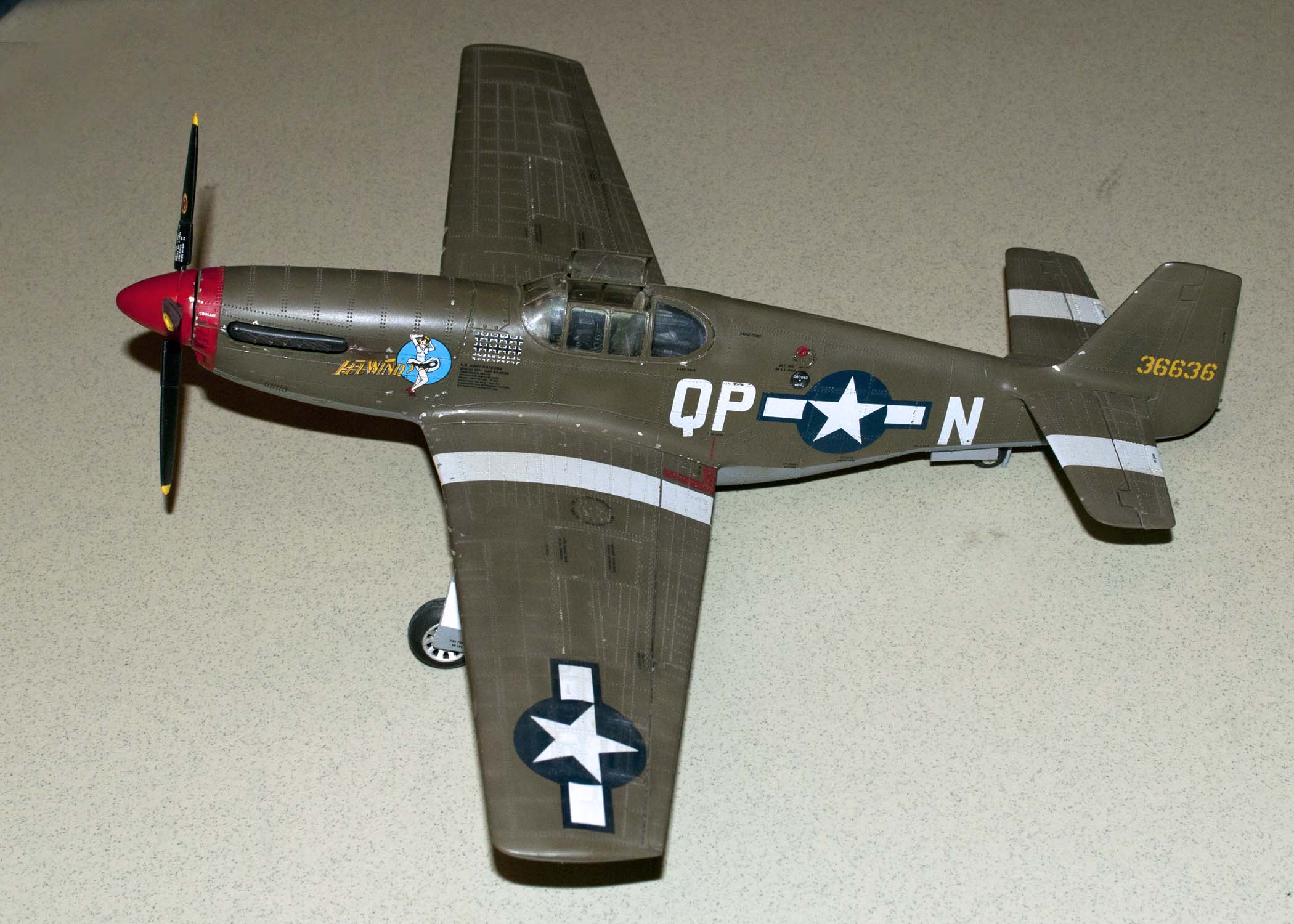
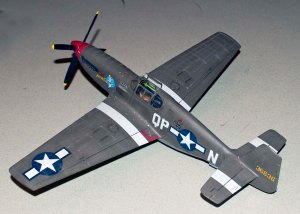
P51-B Mustang, 1/32nd, Revell, built by Scott Olsen
2016 Jan Meeting DSC_9782 2016 Jan Meeting DSC_9781

Ill Wind Markings for Capt. Nicholas Megura 334thFS/4thFG ETO. Nose art by Don Allen well known for his 4th FG artwork.

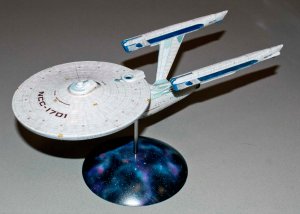
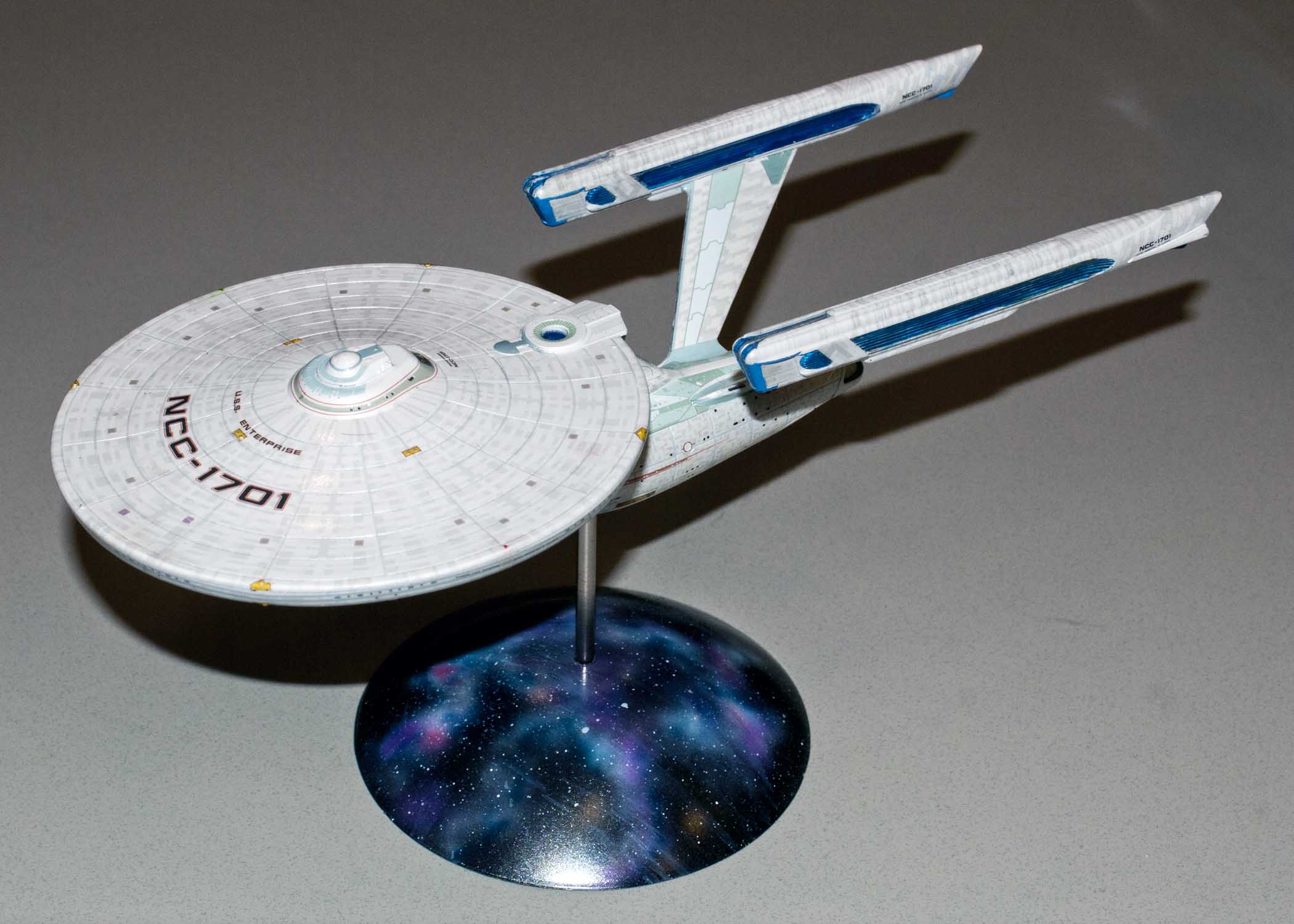
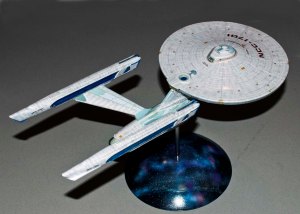
Star Trek USS Enterprise, 1/1000th, Polar Lights, built by Glen Estry
2016 Jan Meeting DSC_9744 2016 Jan Meeting DSC_9742

Snap fit model. Pearl White paint. There are over 200 decals used on this model (!)

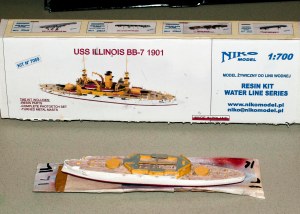
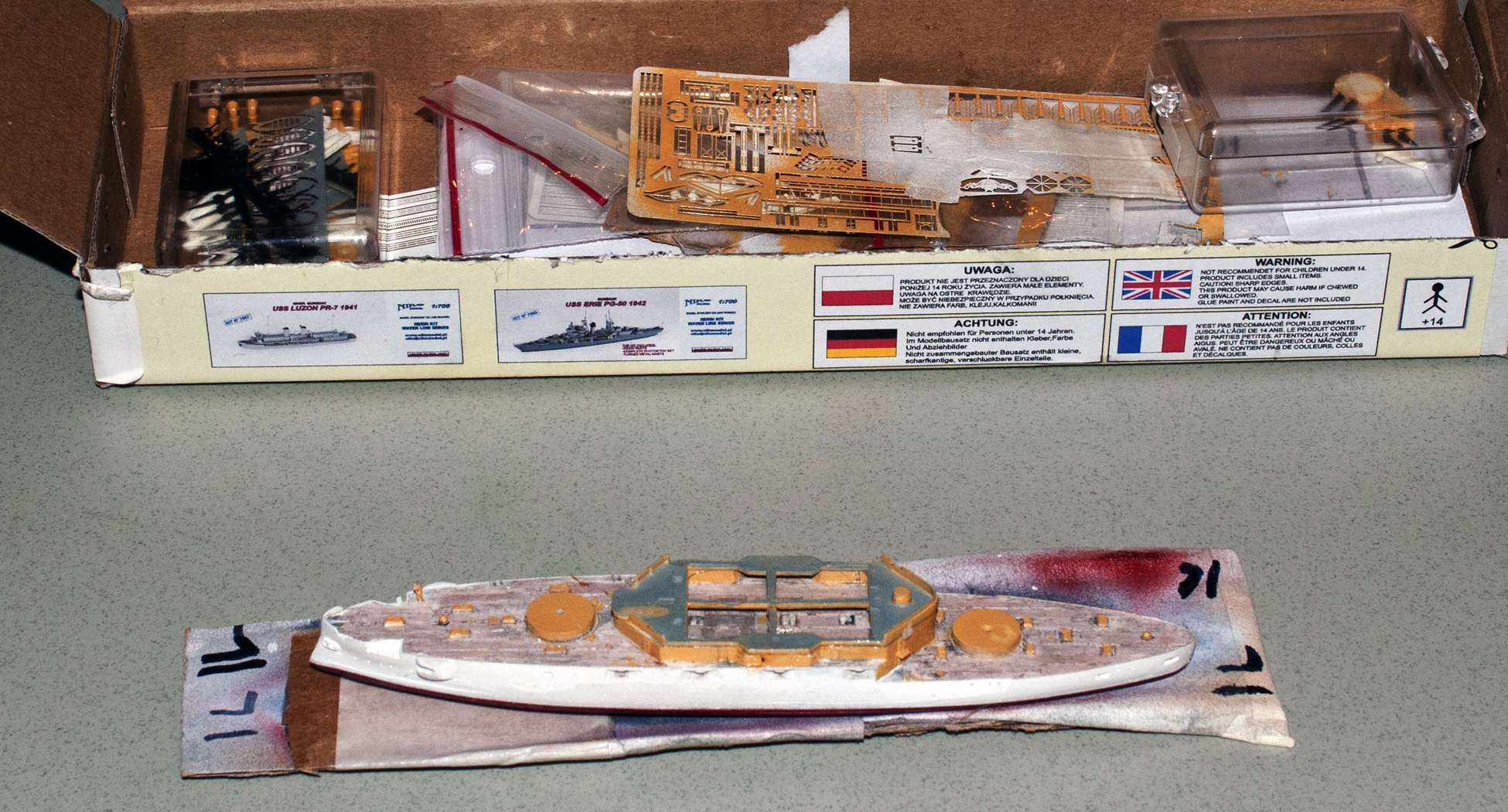
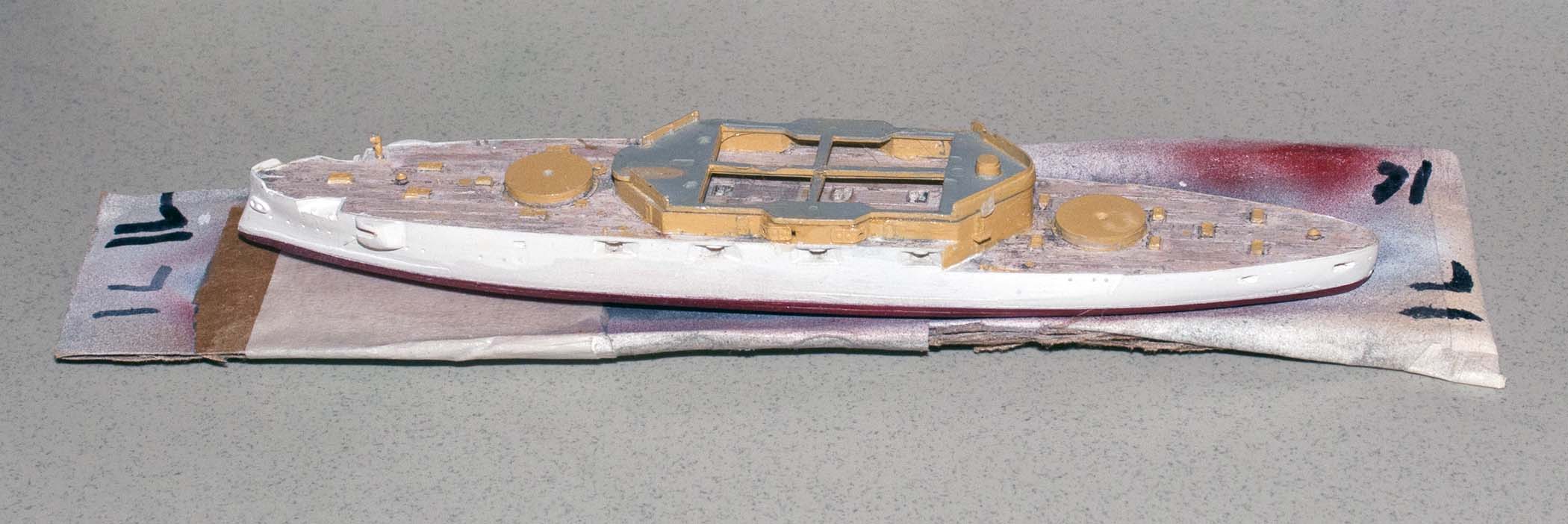
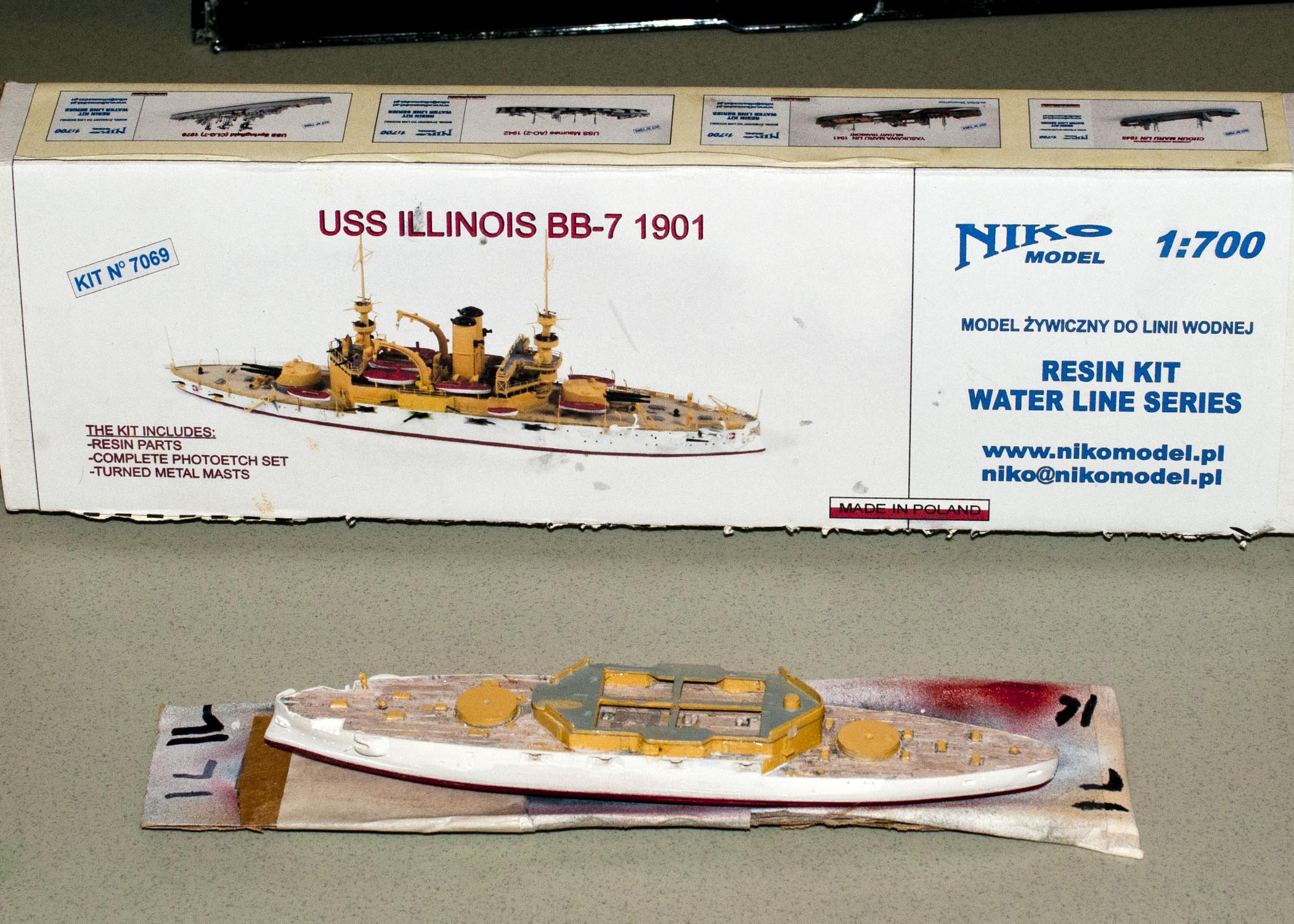
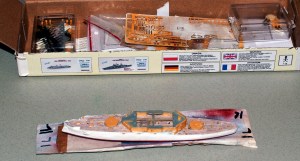
 USS Illinois BB-7 – 1901, 1/700th, NikoModel, built by Steve Kumamoto
2016 Jan Meeting DSC_9737 2016 Jan Meeting DSC_9738 2016 Jan Meeting DSC_9795

Work in progress

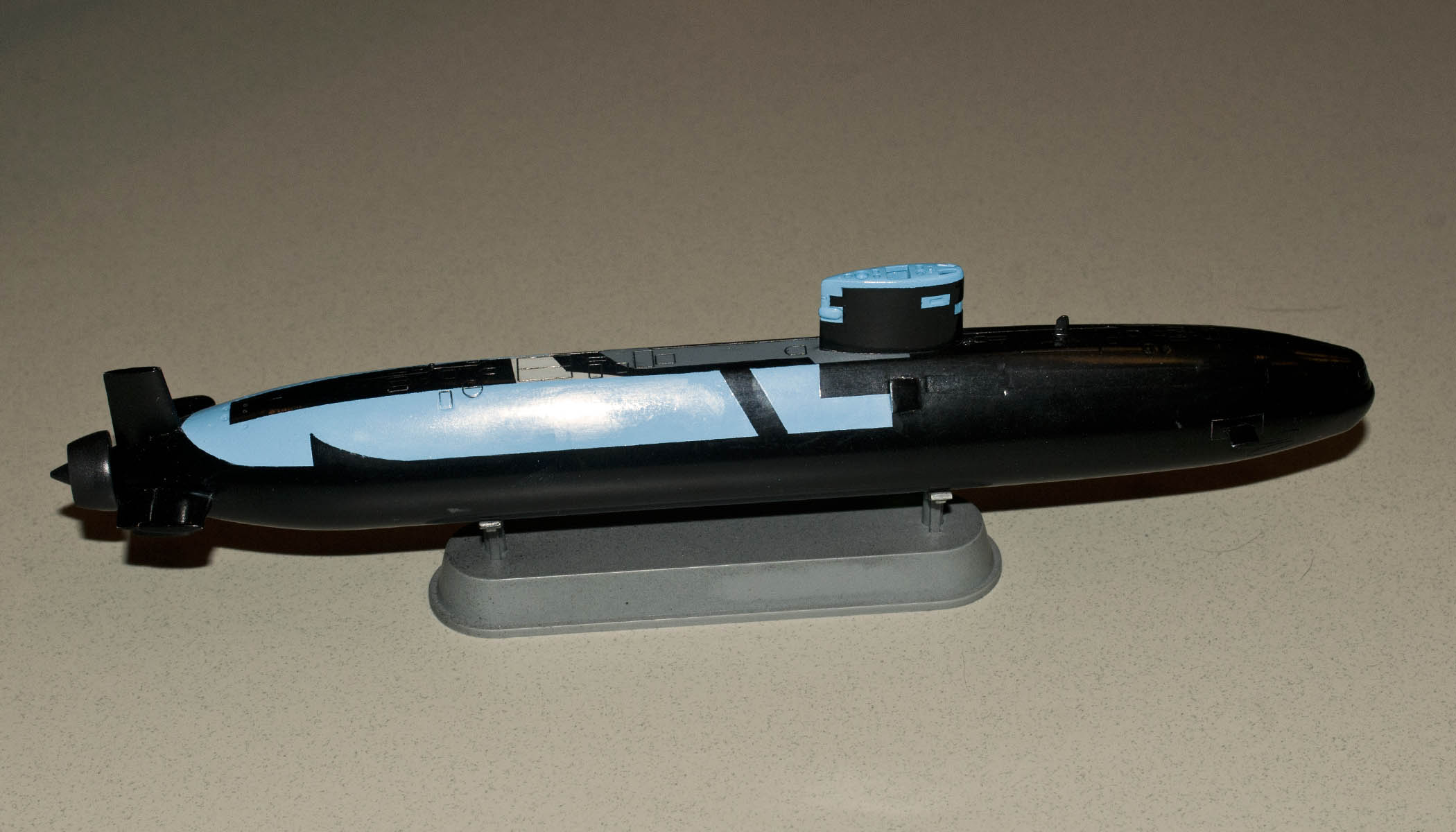
HMS Trenchant, 1/350th, Airfix, built by Mark Murray
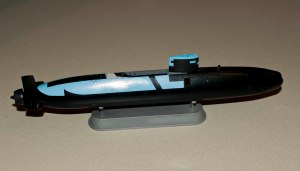
2016 Jan Meeting DSC_9785

Built OOB. Actual sub carried this unique paint scheme.

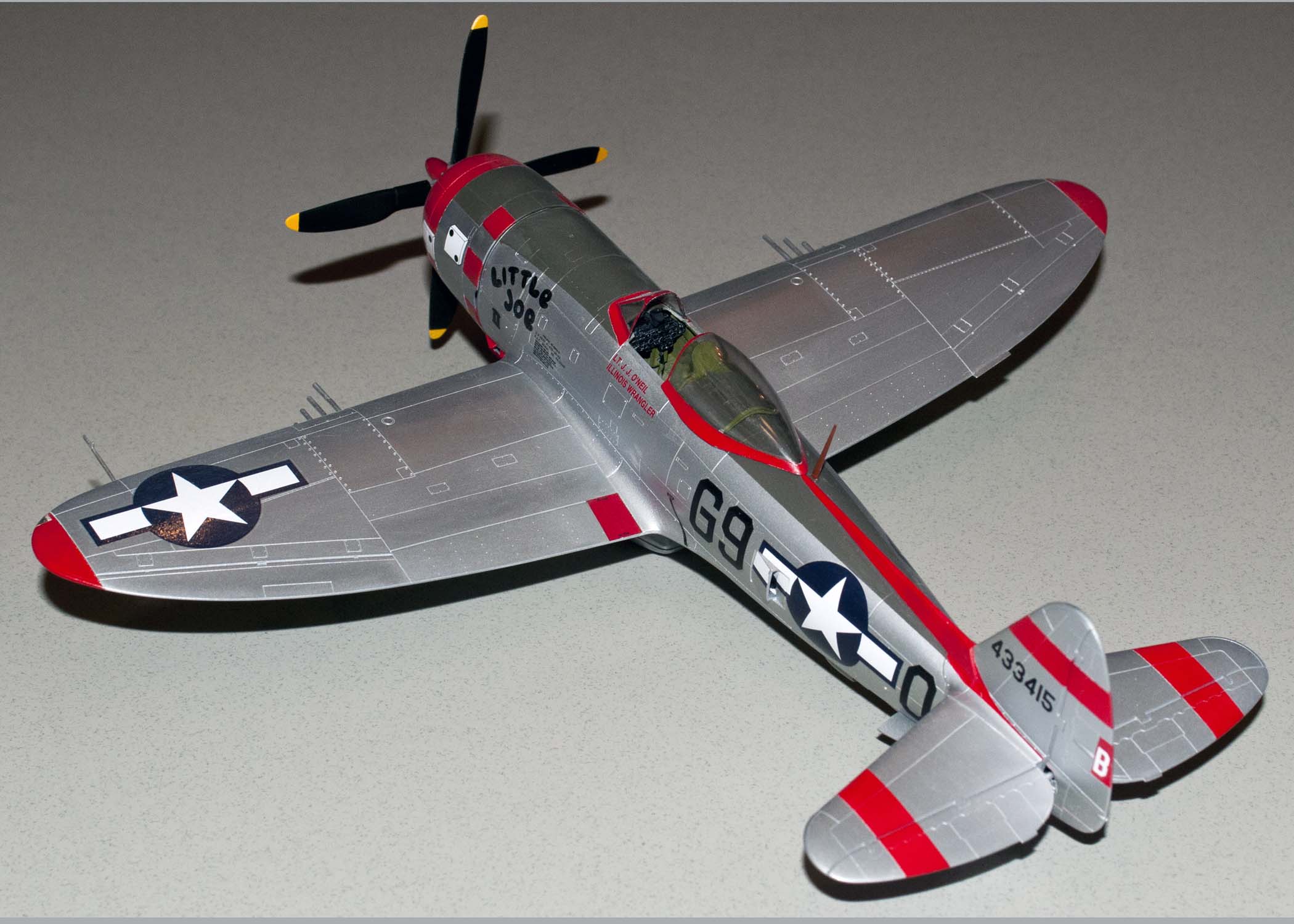
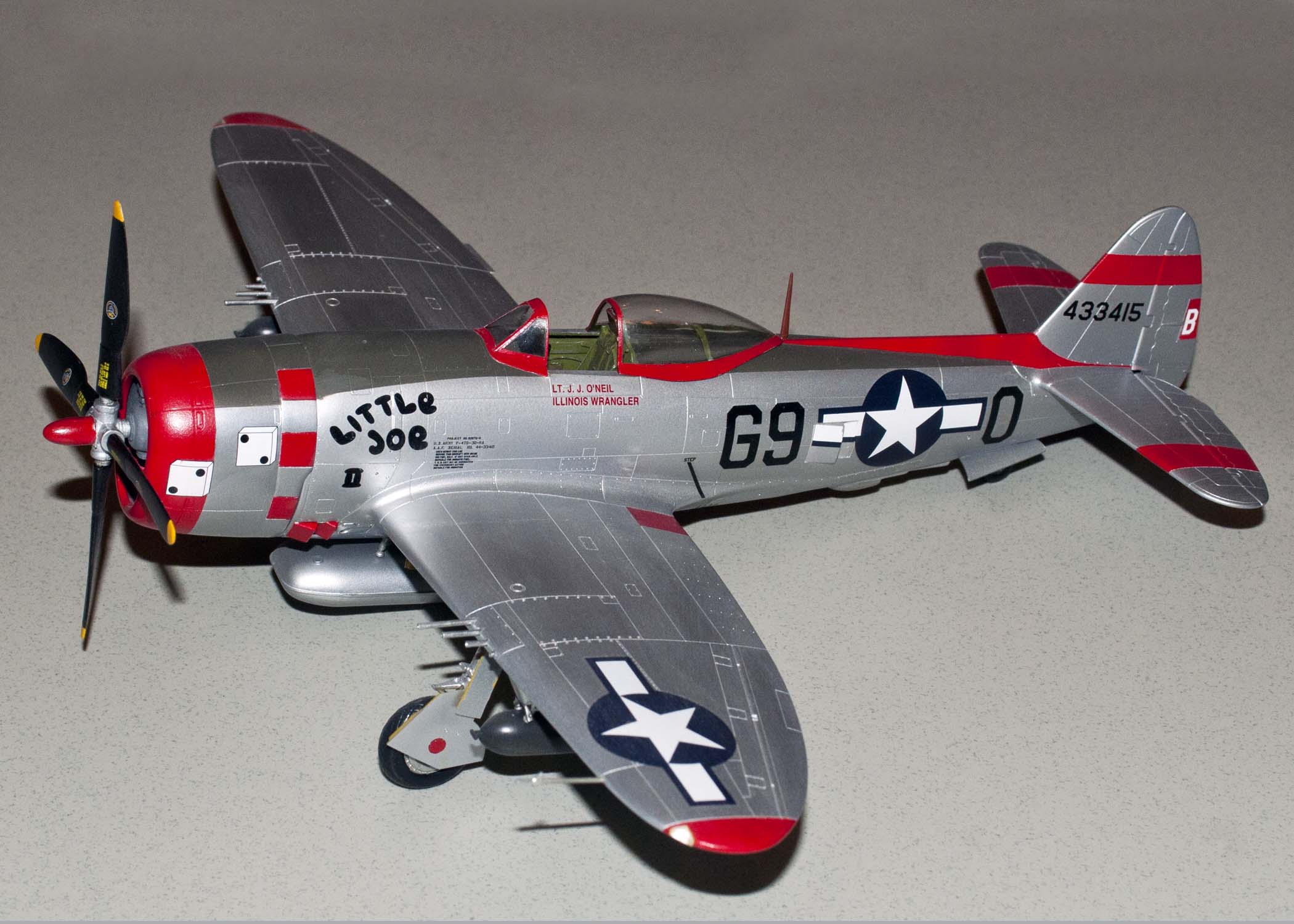
P47-D Thunderbolt, 1/48th, Hasegawa, built by Charlie Scardon

2016 Jan Meeting DSC_9740 2016 Jan Meeting DSC_9739

Pilot Lt. Joe O’Neil who lived in Roselle, IL. 509th FS/405thFG at Kitzingen April 1945. Corrected the trim tabs, Aeromaster decals, SNJ metal finish.

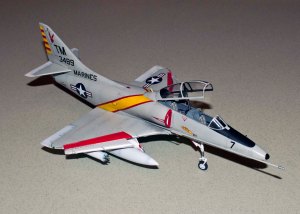
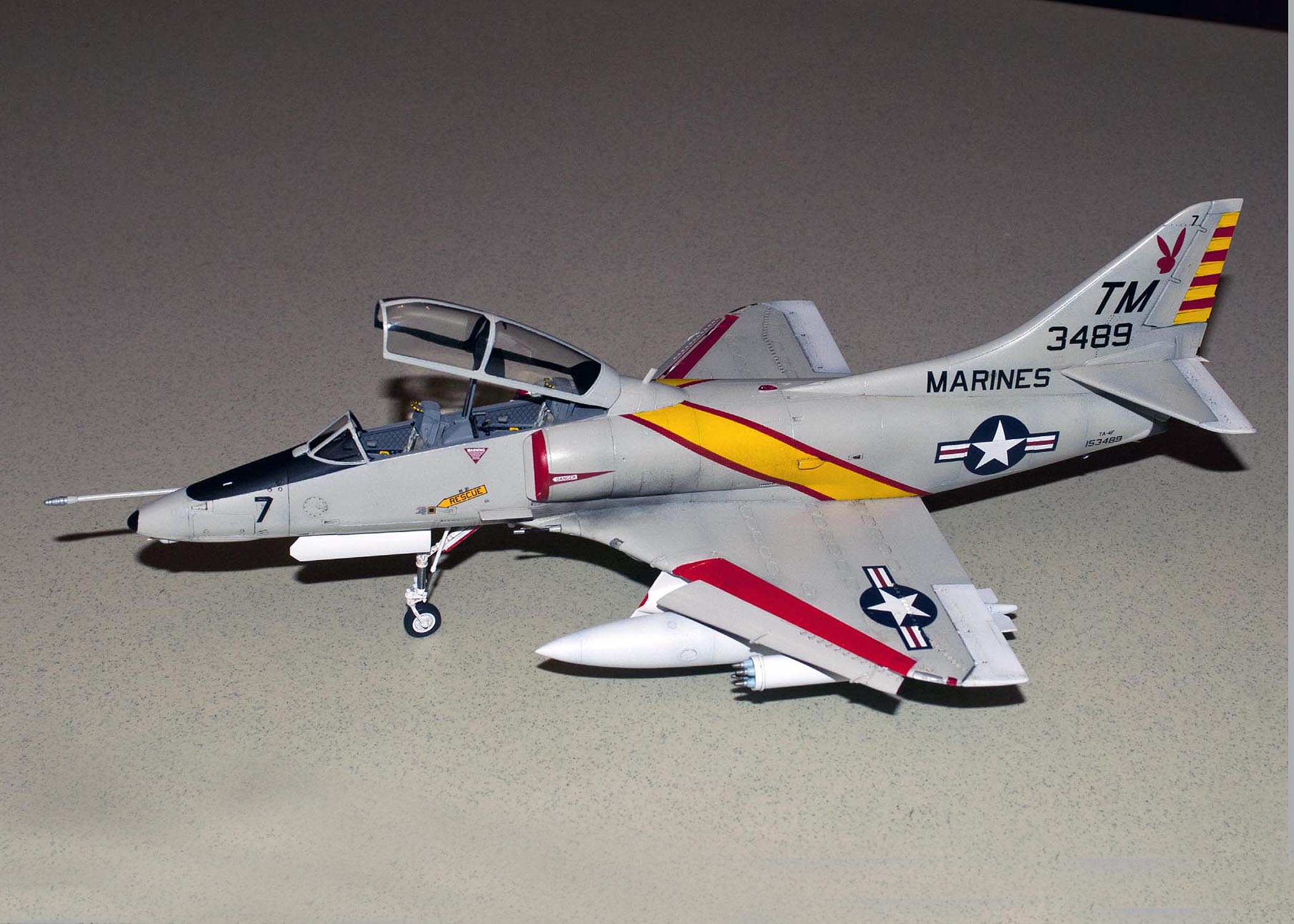
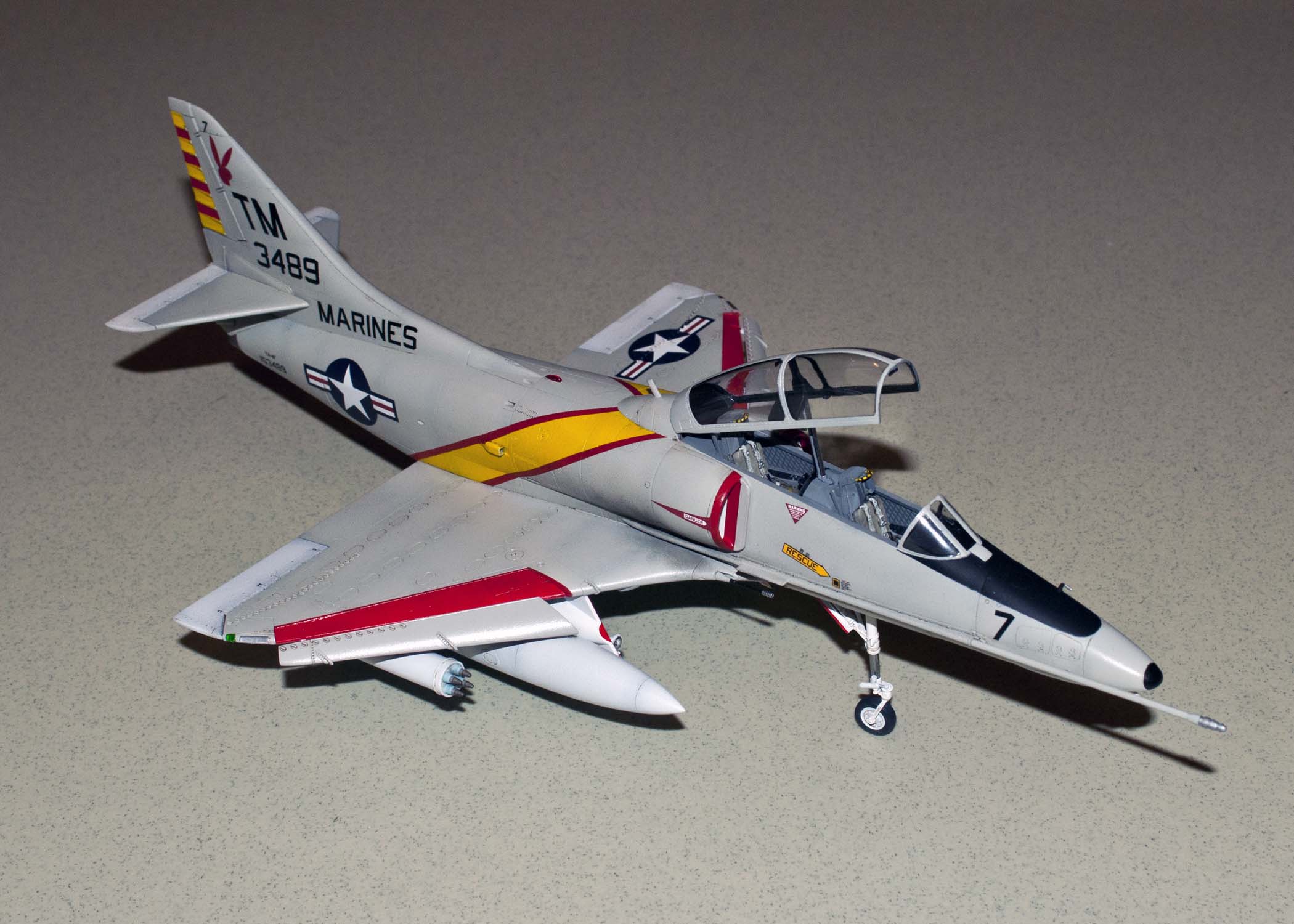
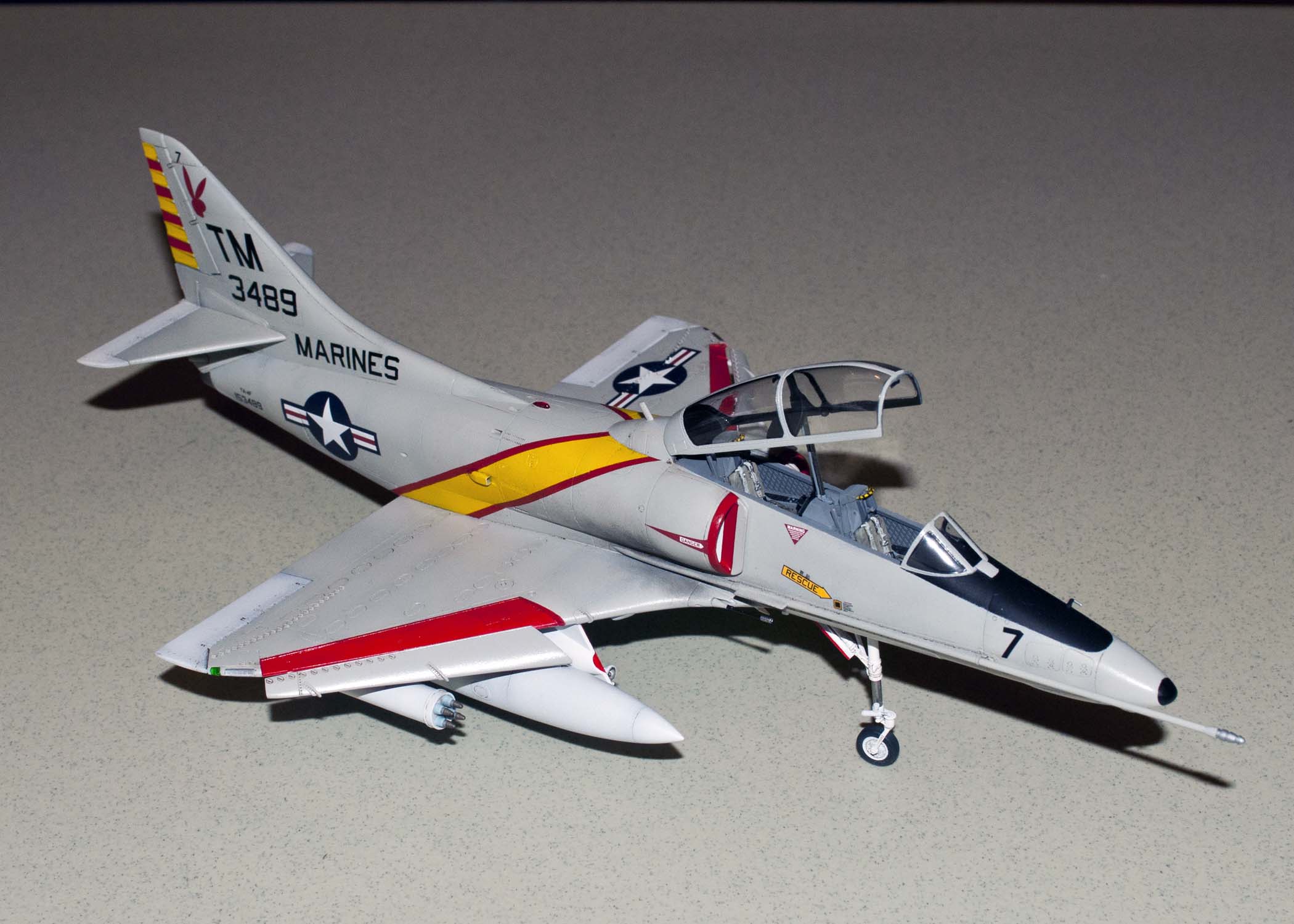
TA-4F Skyhawk, 1/48th, Hasegawa, built by Ed Mate
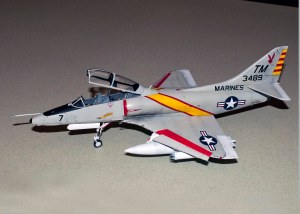
2016 Jan Meeting DSC_9765 2016 Jan Meeting DSC_9764 2016 Jan Meeting DSC_9763

H&ms-11 “Playboys.” Da Nang, Viet Nam, May 1970 Quickboost ejection seats, SuSeMi guns, Eduard wheels, G-Factor landing gear. Zuni rockets home made from a Hasegawa weapons set. Model Master paint. MAW decals. Lightly weathered with artist oils / pastel chalk.

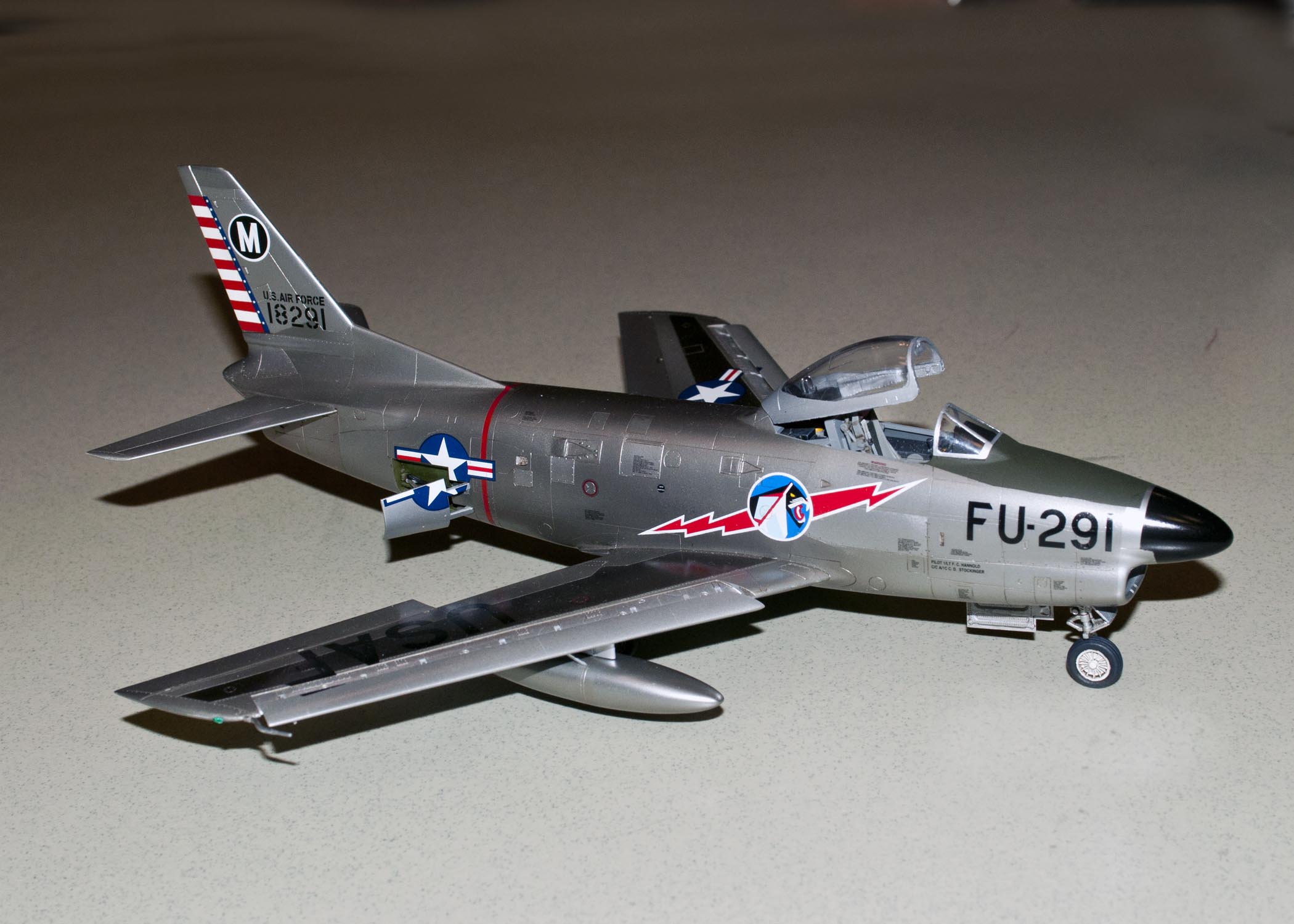
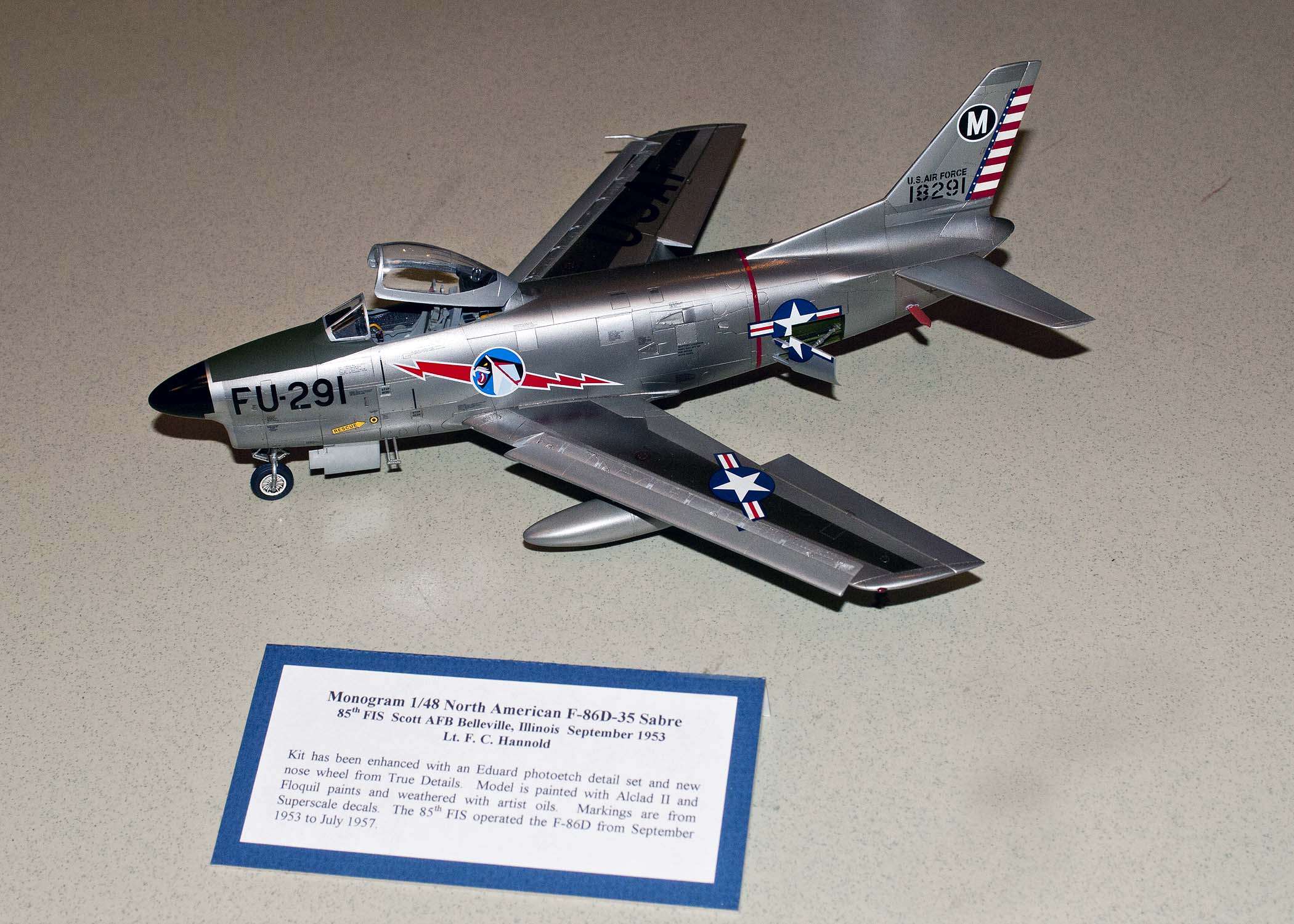
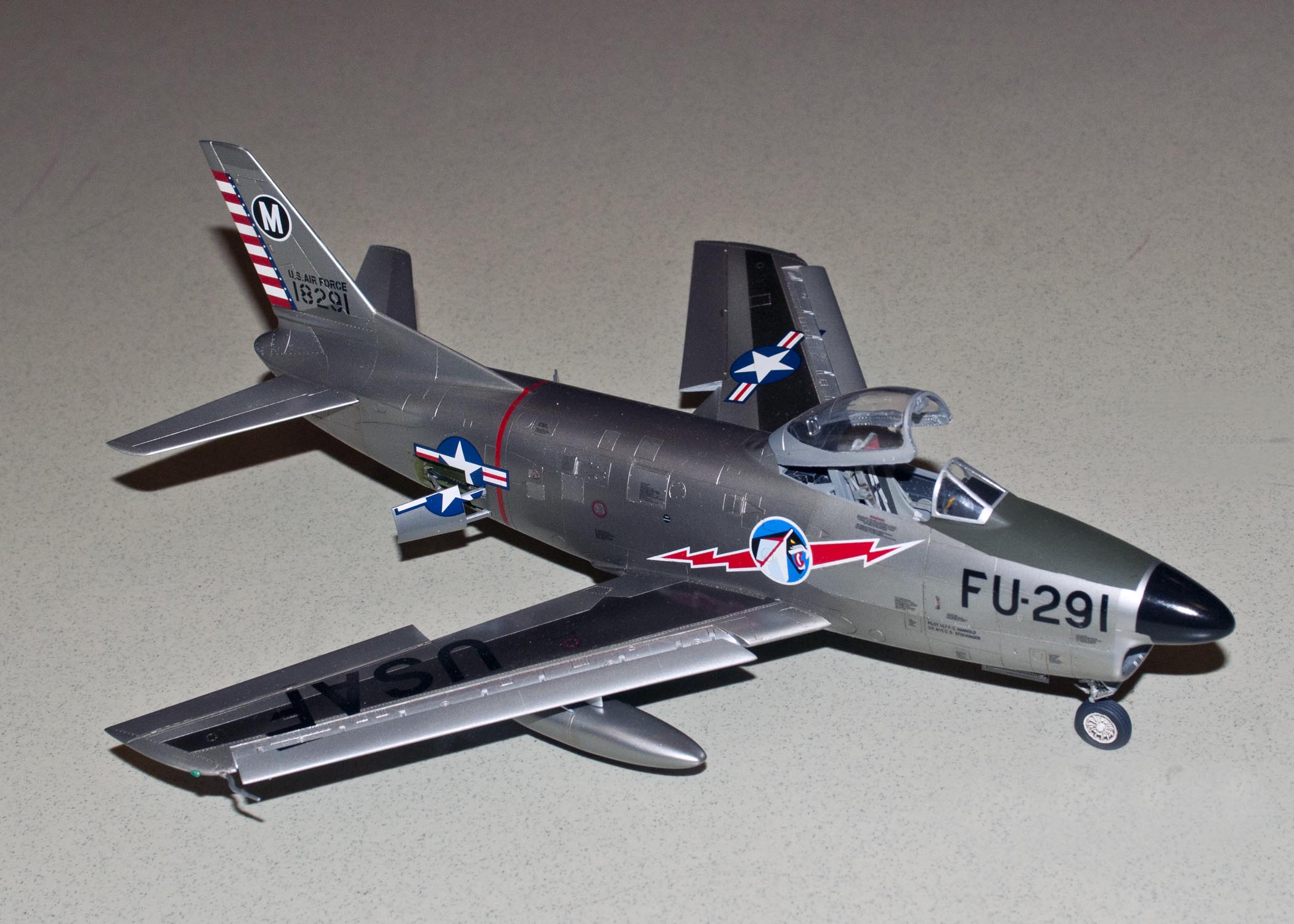
F-86D-35 Sabre , 1/48th, Monogram, built by Ed Mate
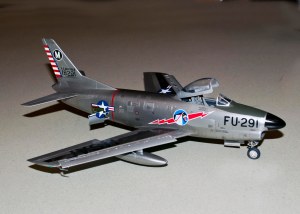
2016 Jan Meeting DSC_9757 2016 Jan Meeting DSC_97542016 Jan Meeting DSC_9755 2016 Jan Meeting DSC_9756

85th FIS, Scott AFB Belleville, IL. Sept. 1953. Pilot: Lt. F. C. Hannold. Eduard photoetch detail set, True Details nose wheel. Alclad II and Floquil paints, artist oils for weathering. Superscale decals.

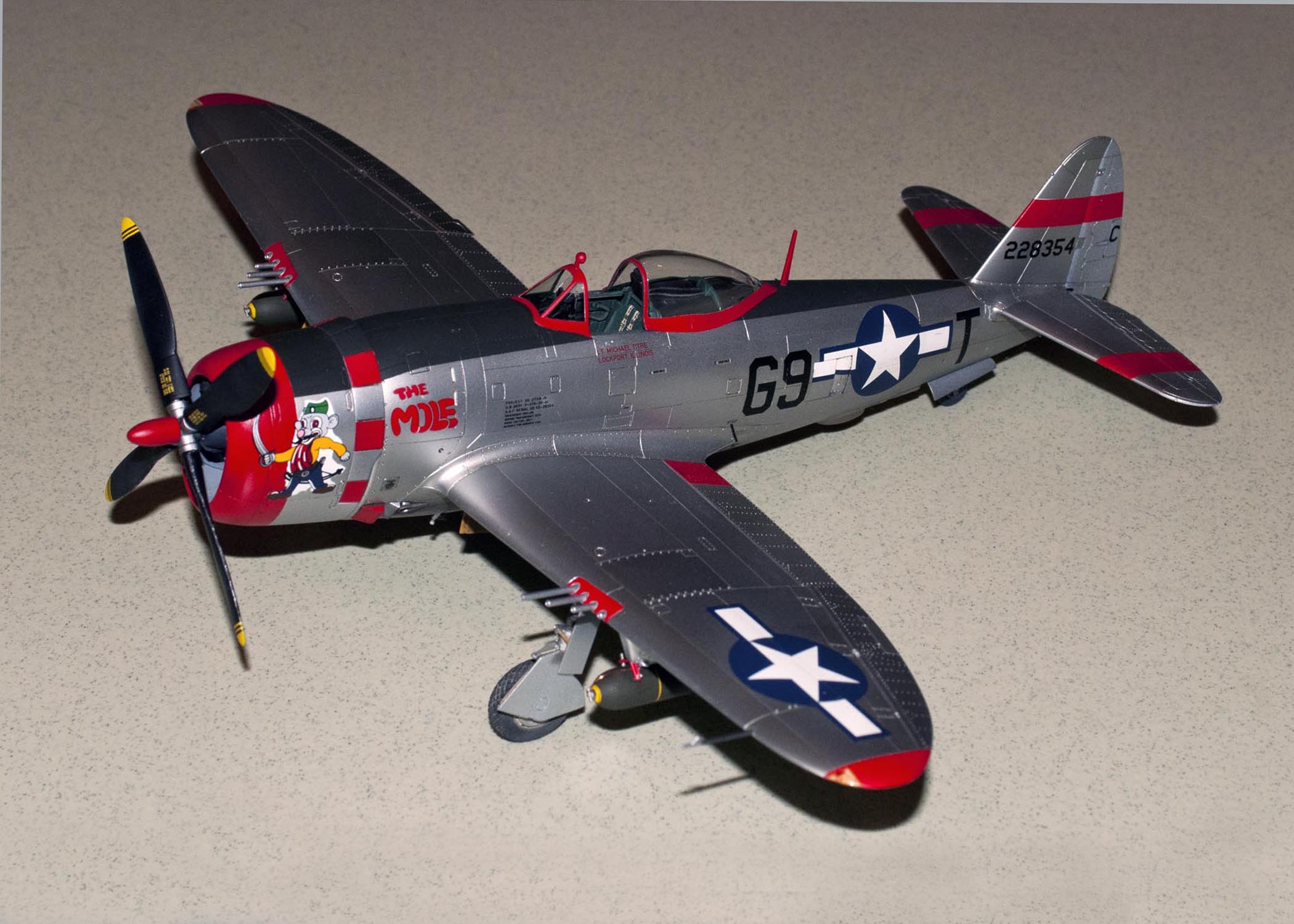
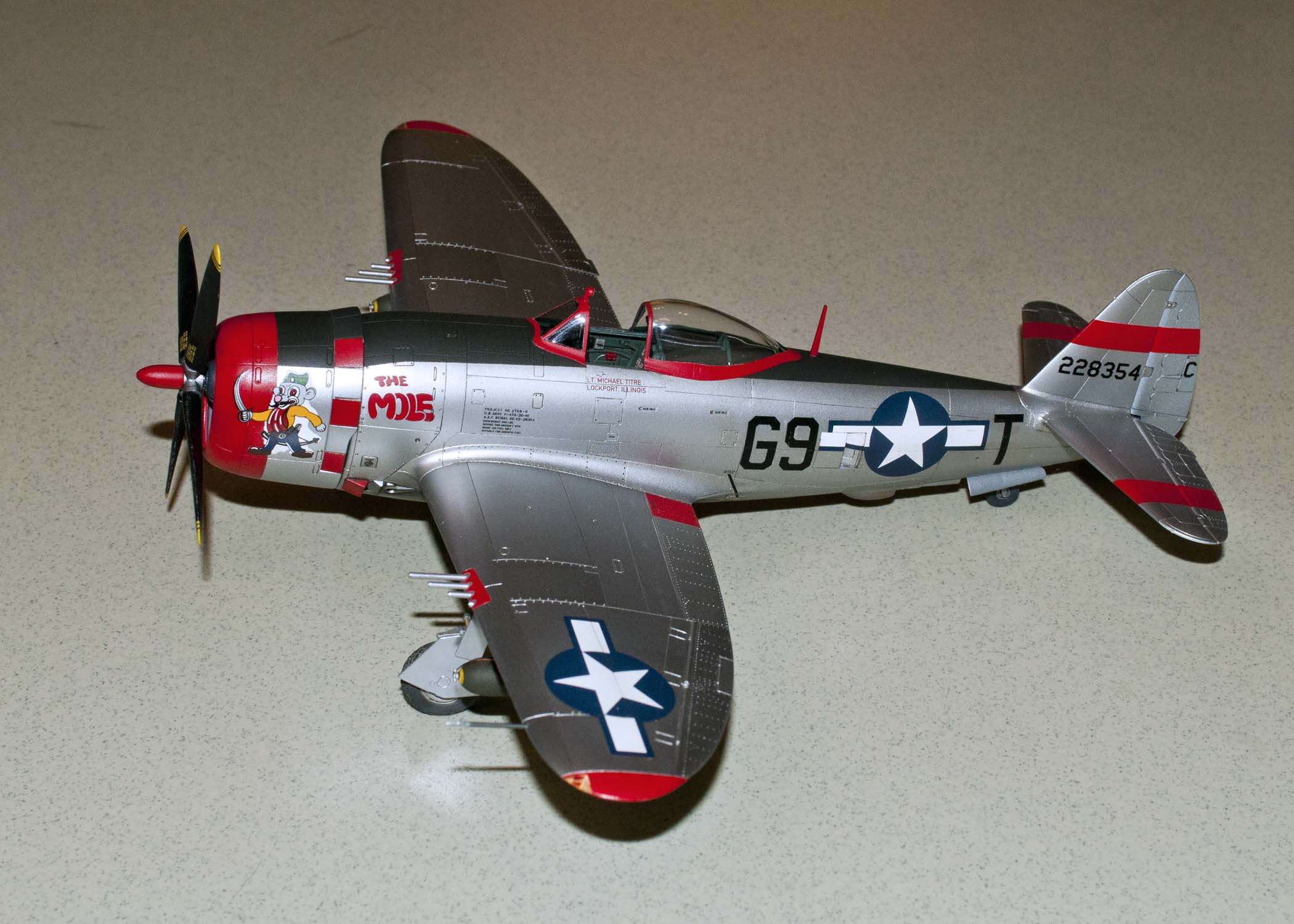
P-47D-26-RA Thunderbolt, 1/48th, Tamiya, built by Ed Mate

2016 Jan Meeting DSC_9768 2016 Jan Meeting DSC_9767

509th FS / 405th FG, Kitzingen, Germany April 1945. Pilot: Lt. Mike “The Mole” Titre, IPMS McKinstry member from Lockport, IL.

Eduard Zoom photo etch, Obscureco wheels. Added Ignition wires to engine. Alclad II, Floquil colors. Eagle Strike decals. Weathered with artist oil paints / pastel chalks.

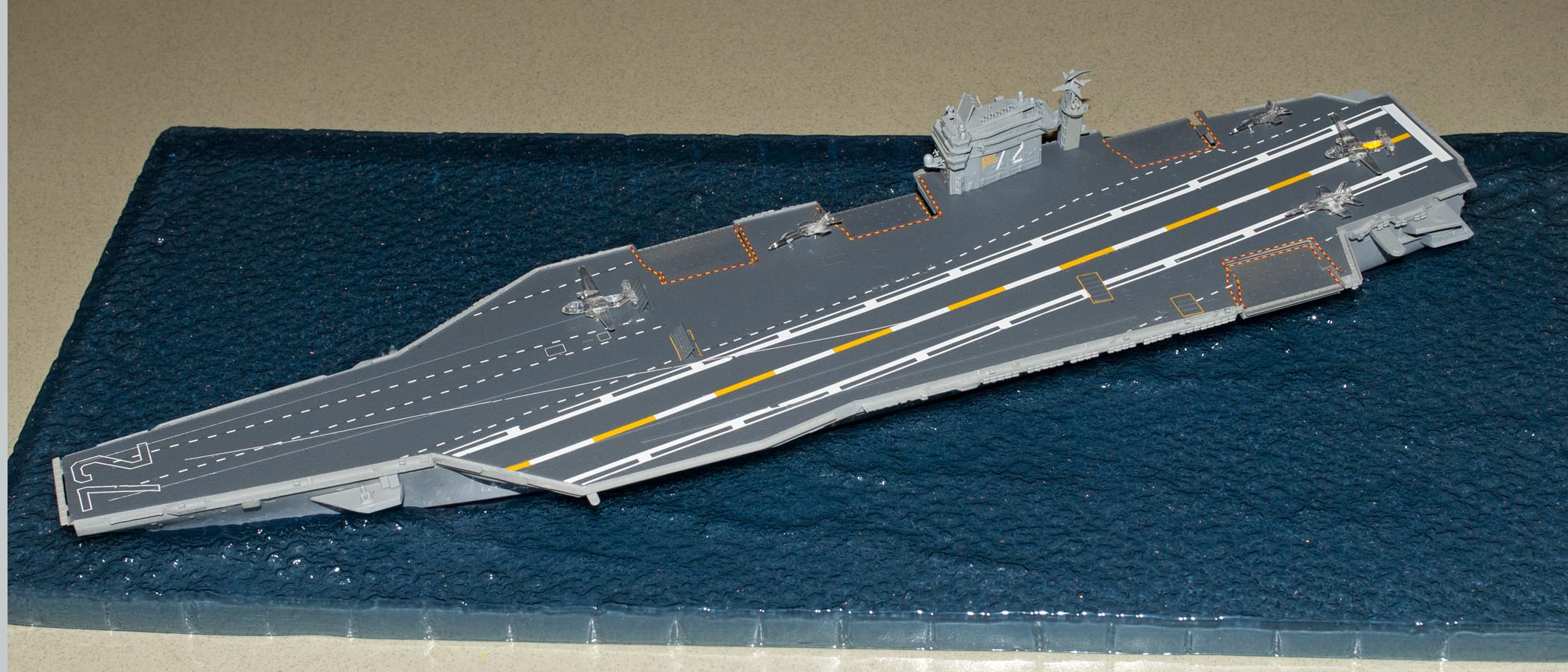
USS Abraham Lincoln, 1/700th, Trumpeter, built by Paul Gasiorowski
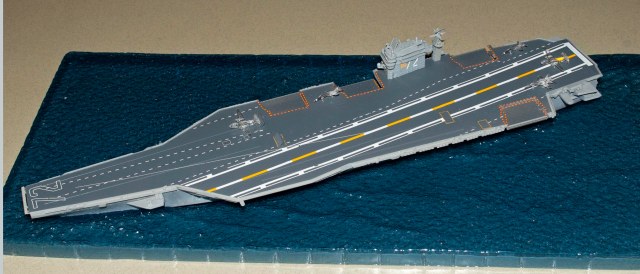
2016 Jan Meeting DSC_9780

12 trees, plus Photo Etch. Lots of tiny parts. 24 Aircraft in clear plastic. Some parts eaten by CARPET MONSTER. “The last model in 1/700 I will build unless it’s a sub with 12 parts!”

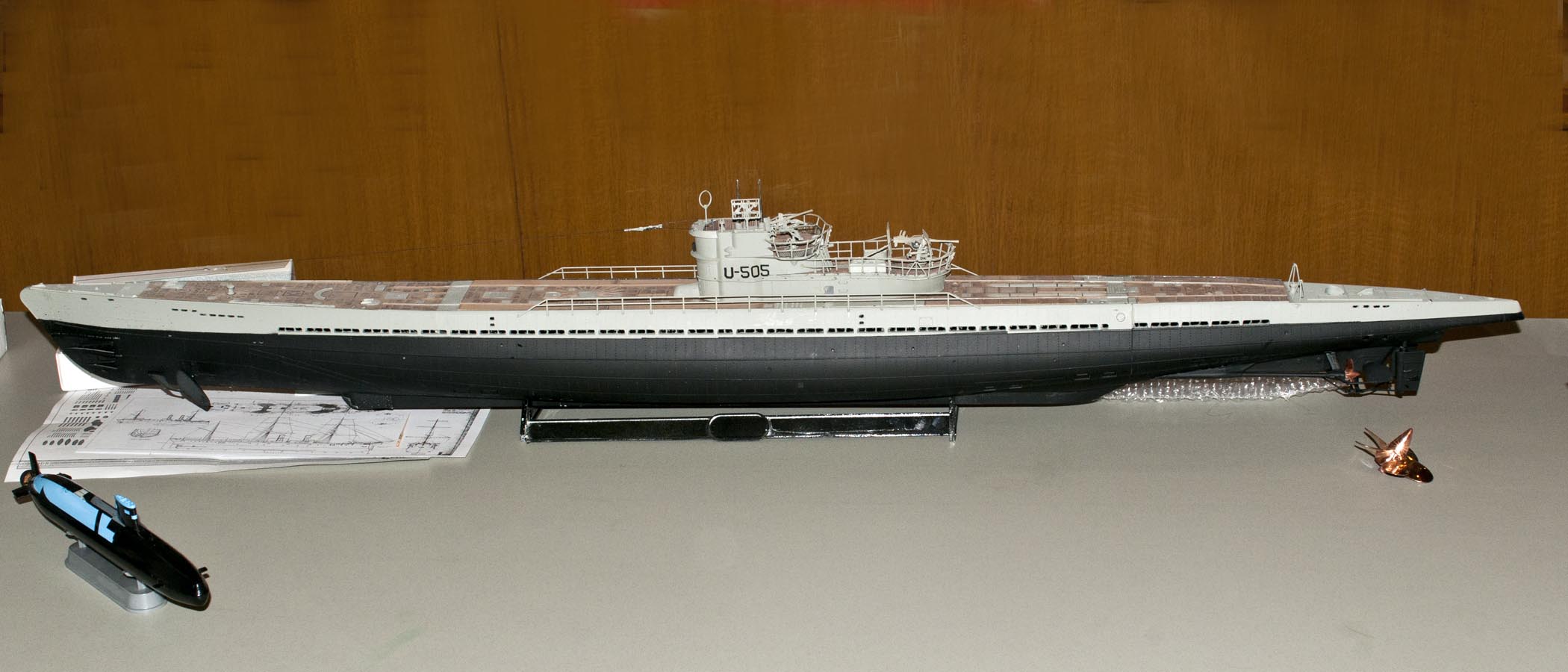
U-505 Type IXC Submarine, 1/72nd, Revell, built by John Koziol, Jr.

2016 Jan Meeting DSC_9783

This sub is on display at the Museum of Science and Industry, Chicago, IL. Several items cast in metal by John, including propellers.  (The larger propeller in the right foreground is John’s cast propeller for the Moebius 1/72 Skipjack.)

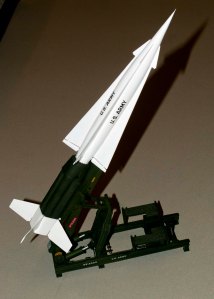
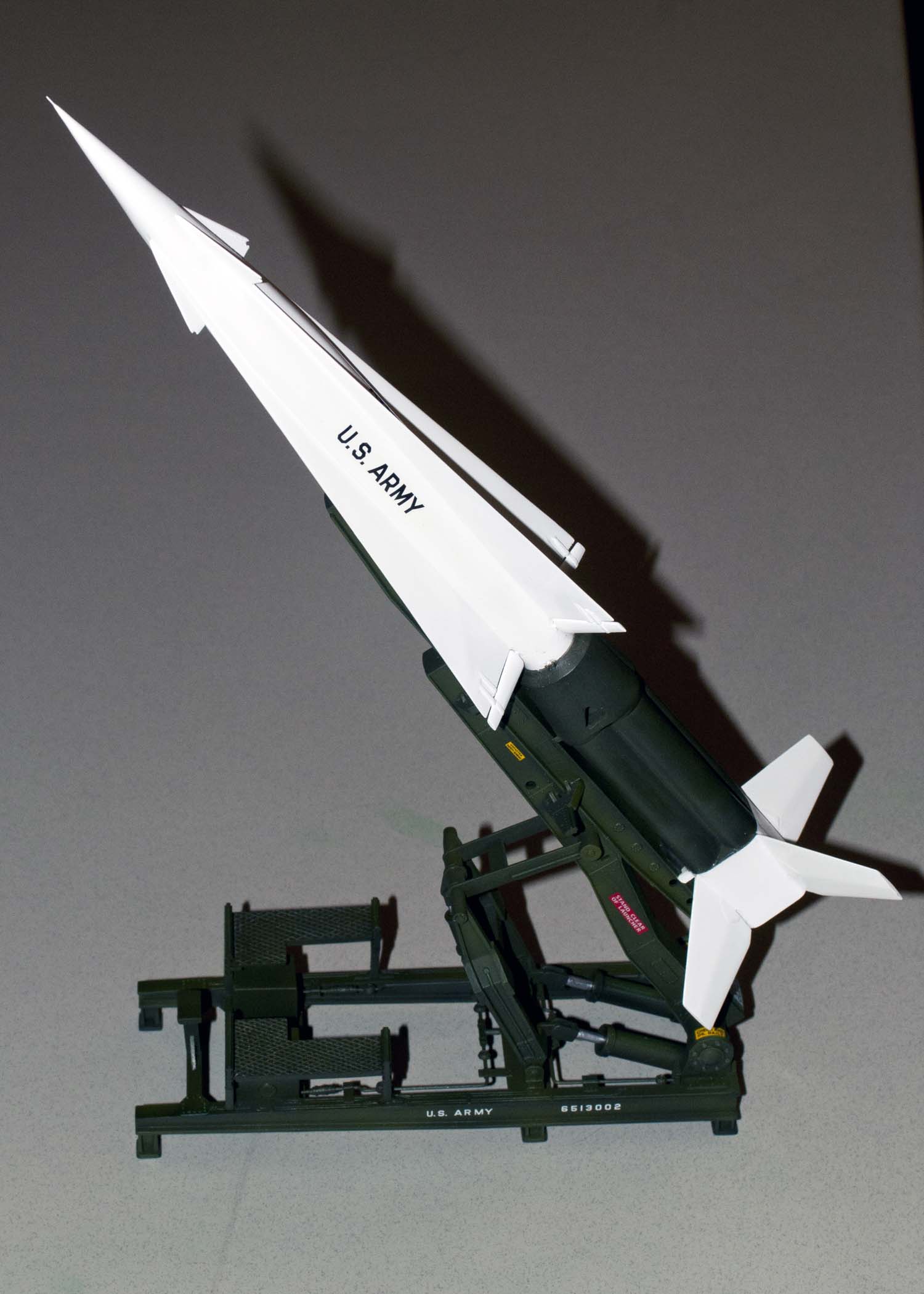
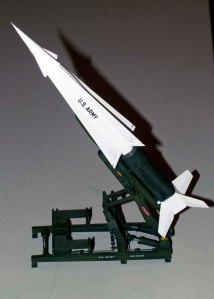
Nike Hercules Missile, 1/40th, Revell, built by Mark Murray
2016 Jan Meeting DSC_9789  2016 Jan Meeting DSC_9787

Built OOB, kit issued in 1959, had to sand off a zillion rivets. Representing the many Nike sites around the Chicago area in the 1960’s through early 1970’s. There is a kit review by Mark on this subject in a separate post on this website.

Posted in Recaps and Photos, Themes and Programs | Leave a comment

Revell Nike Hercules Missile in 40th scale by Mark Murray

Revell: 1/40th scale Nike Hercules Missile

by Mark Murray

2016_Jan_Nike_Hercules_boxart

First… a little History. This missile system was developed by the Douglas Aircraft Company, in conjunction with Bell Telephone Labs & Western Electric Company. Knowing that these last two companies were contributors to this system, I found I had a somewhat personal link to this kit. I found out many years after the Nike system was developed, that my father was one of the many techs that was involved with the testing & development of this system. Kind of answers why he knew so much about them when we saw the radar complex out on the Chicago lake front when we went fishing near there when I was a kid.

The Nike system progressed from the original Nike Ajax, a small but capable anti-aircraft missile of the time, through the larger & faster Hercules & on to the final evolution to the even more powerful Nike Zeus. Some of the specs of the Nike Hercules are as follows:

  • Length – 41’6”
  • Diameter – 31.5”
  • Span – 74”
  • Launch Weight – 10,405 lbs.
  • Range – 87 miles
  • Effective Altitude – 150,000 ft.
  • Speed at burn out – Mach 3.85
  • Warhead – Nuclear

It would seem that this system was looking to be effective towards the possibility of the Russians launching a Bomber force in an attack against the United States. Remember, this was all developed during the “Red Scare” of the 50’s & 60’s. Many of these missile batteries were located along Lake Michigan and surrounding suburbs to protect the Greater Chicago area from those scheming “Russkies.”

The Kit:

This is a classic kit from the 50’s. Yes…I said the 50’s! Some of you may not know it, but they did have plastic model kits back then. I know you young’uns think those of us over 55 whittled our models out of stray tree branches & hunks of balsa wood from the local hobby shop, but they really did have plastic kits long before the likes of Trumpeter, Hobby Boss & G.W.H.

This Revell kit show’s its age from the © imprint for 1959 on one of the rear fins on this kit. Boy, talk about making a guy feel old! However, upon opening the box, I was a bit surprised to find that even with the age of the kit, while there was some flash on the parts, it was actually quite minimal. And it was molded in a wonderful olive drab/Army green color. Also, upon further inspection, I did find that this build was going to be a minor challenge. I noticed while piecing parts together to check overall fit, it wasn’t going to be as nice as present kits. Where we’re all used to having shake n’ bake kits that just about build themselves. I also noticed that there must’ve been about 50,000 rivets molded on this thing! Not Good! As going on the internet for reference, it’s found that there we’re very few rivets on the actual Missile. So, A LOT of sanding was going to be needed, to get this kit to look somewhat presentable.

2016_Jan_Nike_Hercules_pic1The build procedure actually involves two sections. Or basically two kits in one, the missile itself & the launch gantry. I started out building the Missile, as it looked to be the easier of the two sections. I soon found that assumption was wrong. First, the fit of the fins to the missiles main body were a tad….sketchy at best. As the fins had a bit of lengthwise bow in them, & the tabs that inserted into the main body needed a bit trimming to give a good fit. Then, once installed in the shallow trench provided for their location, one finds there’s a bit of a trough at the base of the sides of these fins that’ll need filling. The booster section also provided some extra work in that, to get the upper & lower sections of it to mate, one has to do some sanding & trimming of the joining areas. Not to mention sanding out the joint lines of the booster halves & trying to keep them round. The fit of the tail fins was another exercise in frustration. Finally solved by getting each fin located exactly where I wanted it & applying sizable amounts of super glue gel, on the inside of the booster base followed by accelerant to keep the fins in place.

which were taken care of by the liberal application of Mr. Surfacer & a good sanding of some of the part seams in the launch rail itself. For a kit of over 50 years old, this part was relatively easy to build. And when done, the rail would still rotate up & down.

I did eventually glue the gantry in a roughly 50 degree pose. Painting of the gantry was done with various shades of Testors Dark Olive Drab, Field green, and Light Olive Drab. Lightly over-spraying the last two coats to give some contrast and definition to an otherwise boring piece of equipment. This was followed by a touch of the raised bolts & such with a light green colored pencil, along with the walk platform getting rubbed with a sliver colored pencil. This was later supplemented by running a thin bead of super glue liquid to the base of the fins on the outside sanding them in. Finally…..with the upper & lower stages of the missile assembled, I set to sanding the rivets off both sections. And sand I did….and sand….and sand…..and sand some more!! It was during some of this never ending sanding that I thought to get away from the pile of powdery green plastic I’d created from all the sanding of the missile itself, that it might be fun to start building the launch gantry.

After the application of the decals, the gantry was dulcoated & ready for the Missile.

2016_Jan_Nike_Hercules_pic2Aaaah yes…..back to the Missile. Once all the sanding of the trillions of rivets, as well as the filling of the recessed panel trenches in the fins with more liberal amounts of Mr. Surfacer and followed by even More sanding, I sprayed several coats of Testors Flat White on the bottom fins & the entire second stage. I once again sanded this to level out the paint & blend in any areas that needed further attention. This was followed by one more coat of Flat White, allowed to dry for several days & then finally sprayed with several passes Testors Gloss White. I sprayed the booster section Dark Olive Drab & did some touch-up sanding there as well. Once cleaned up, I sprayed a final coat of Dark Olive Drab to this area & let the entire kit dry for about 2-3 weeks. Once everything was totally dry, I applied Tamiya Gloss Clear to the upper stage. Once dry, I applied the decals, these being just the U.S.Army items. There are several other tiny little stencil decals in the kit, but looking at my research, I found that few if any of these stencils were actually applied. After a final coat of Tamiya Gloss, I left it to dry for another few days. Final sheen was achieved by rubbing the gloss with a dry paper towel.
With both sections done, I mated the Missile to the Gantry. VIOLA! A Finished Kit!!! I built this kit for the January club theme night of “Something Illinois.” As stated in the beginning of this article, a lot of these Nike Missile Batteries were located around the Chicago suburbs as well as the lake front. There are still some reminisce of these sites scattered around long after they were deactivated & moved out. One such site is near the house of our fearless leader “The Tick.” Other sites can still be seen throughout the Chicago & northern Indiana area.

In closing, this was actually a fun build. It was something different for me, & while not a perfect kit, it still looks great as a nice clean build.


Posted in Kit Reviews | Leave a comment