McKinstry Winners at Butch O’Hare 2015 Show

IPMS McKinstry made a strong showing at the 2015 Butch O’Hare show and contest, taking a club award and several individual awards.

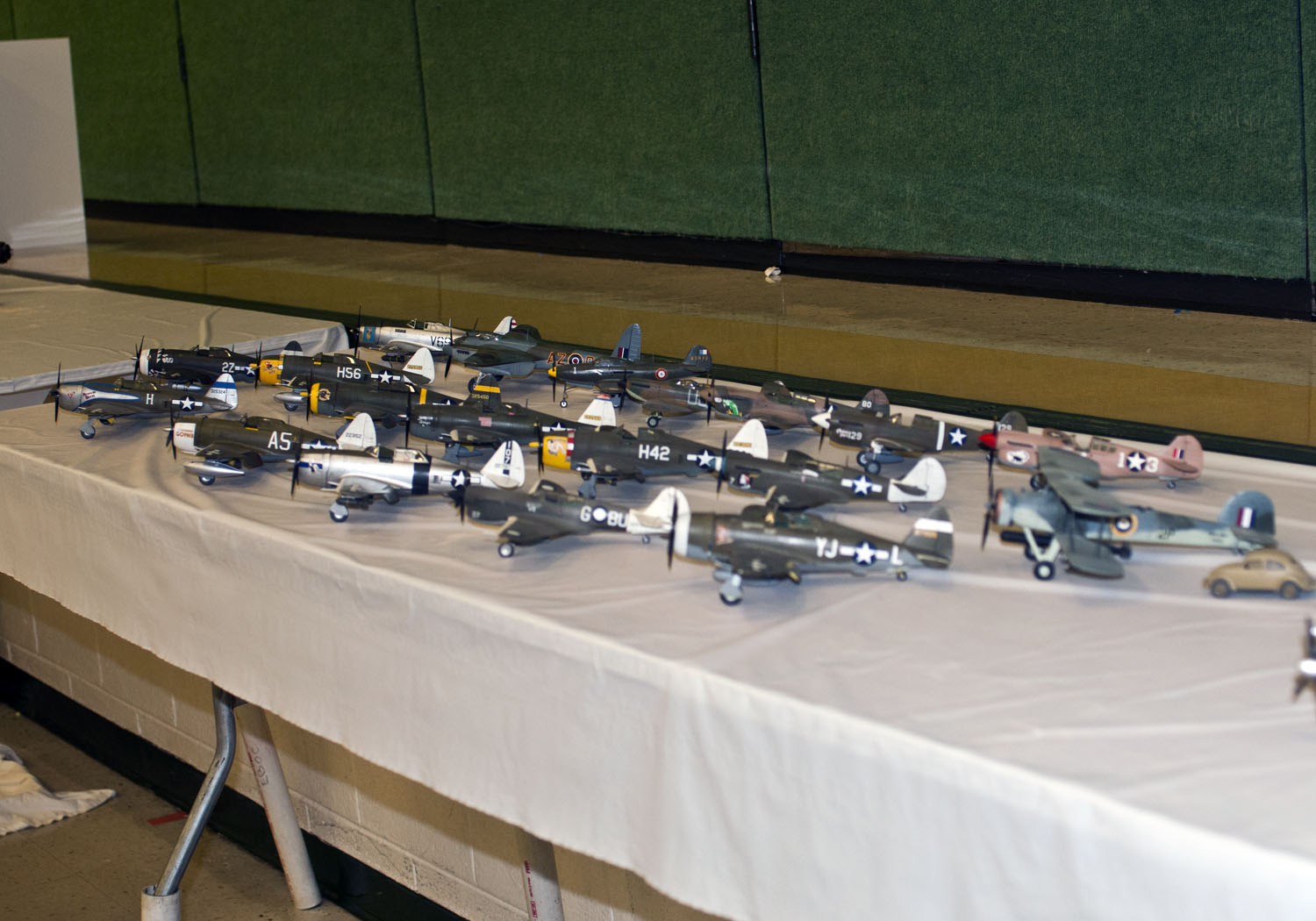
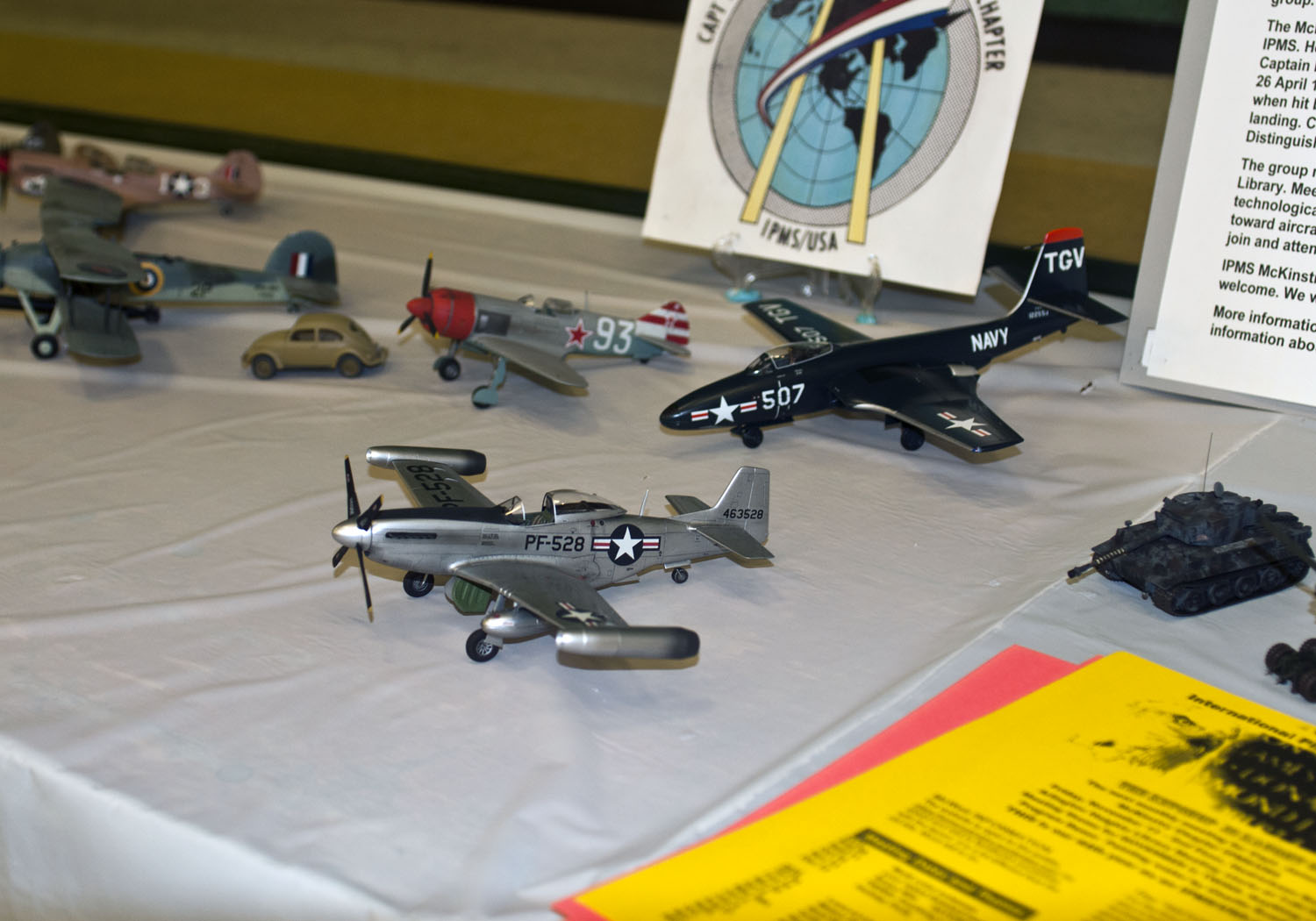
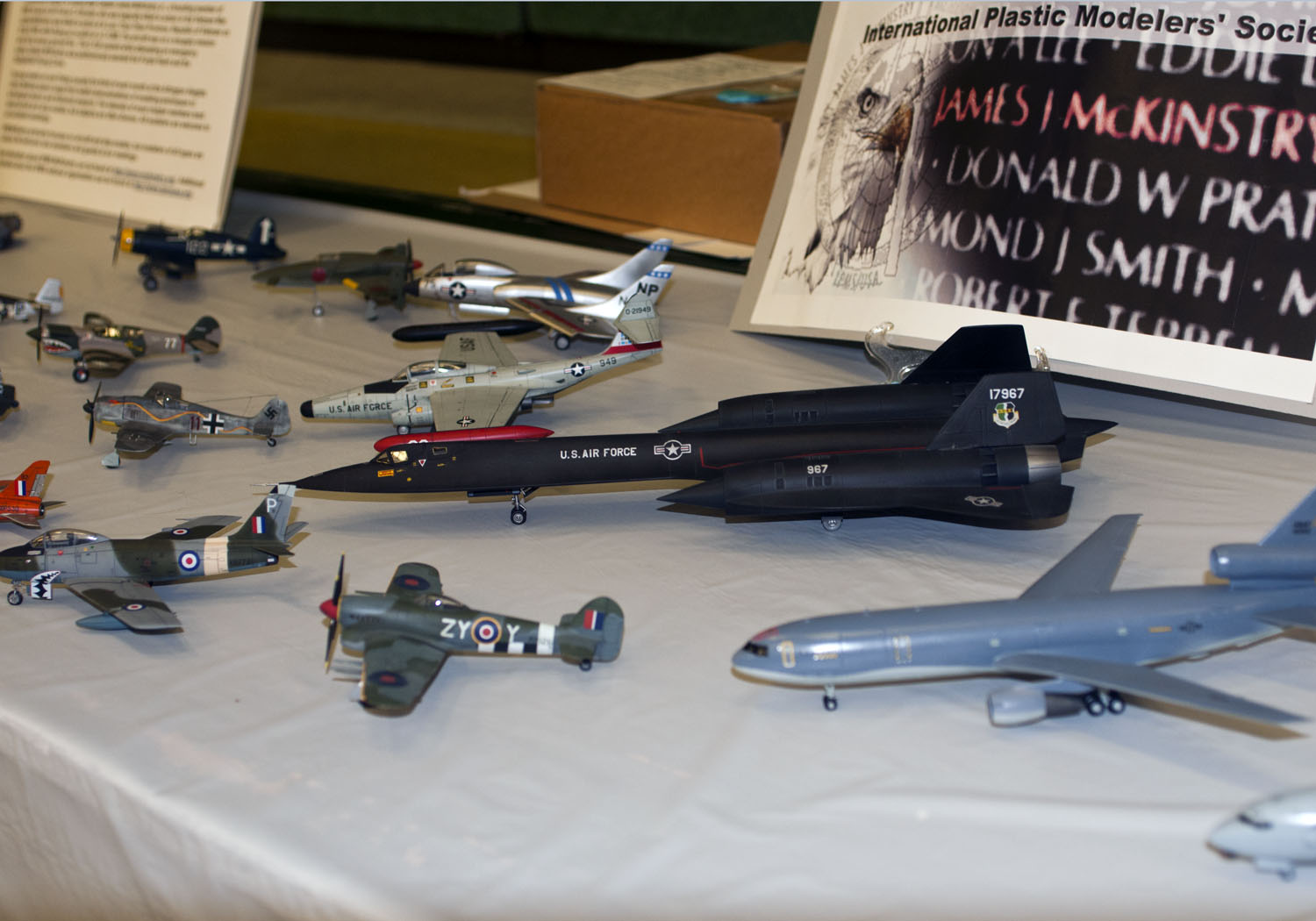
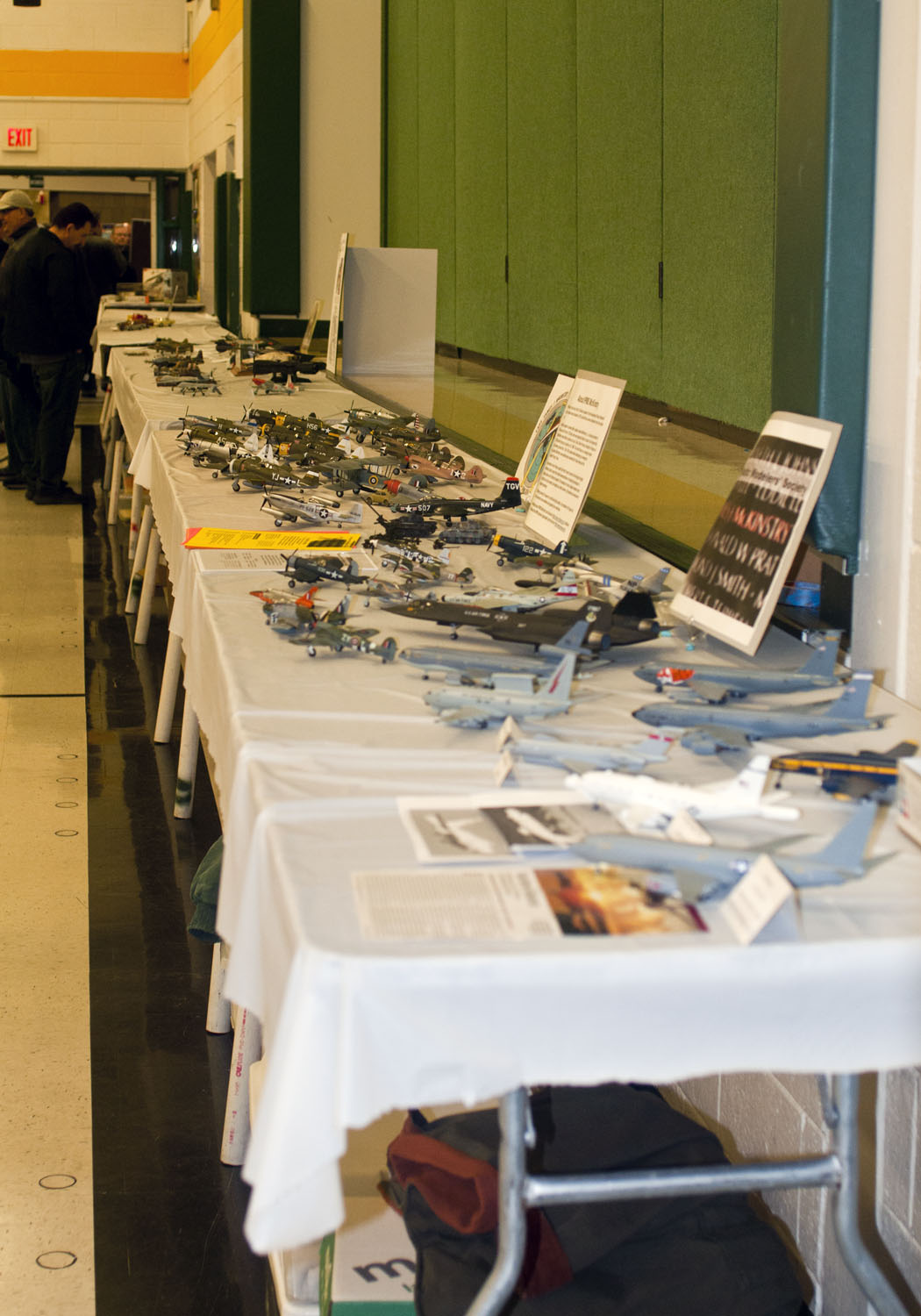
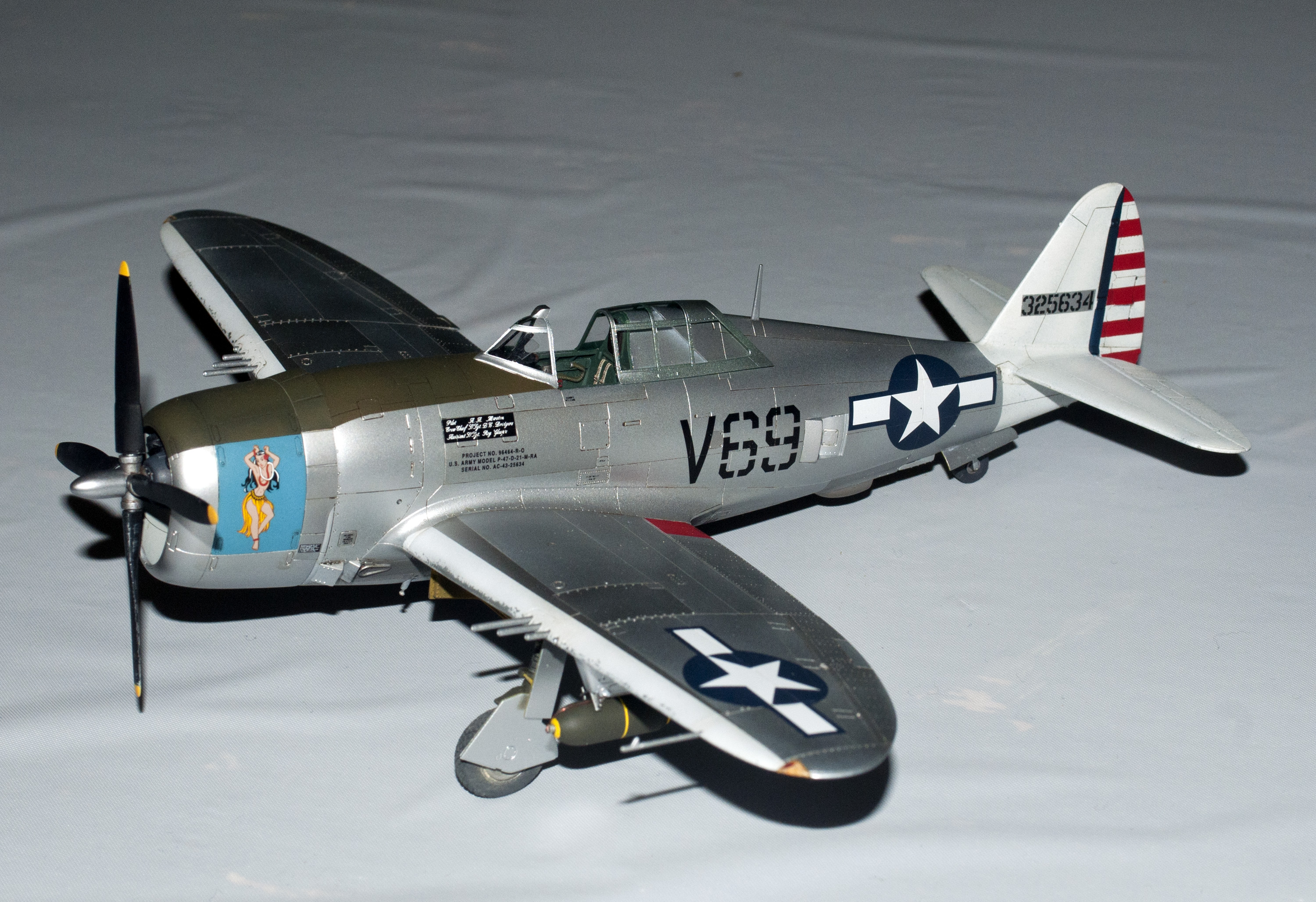
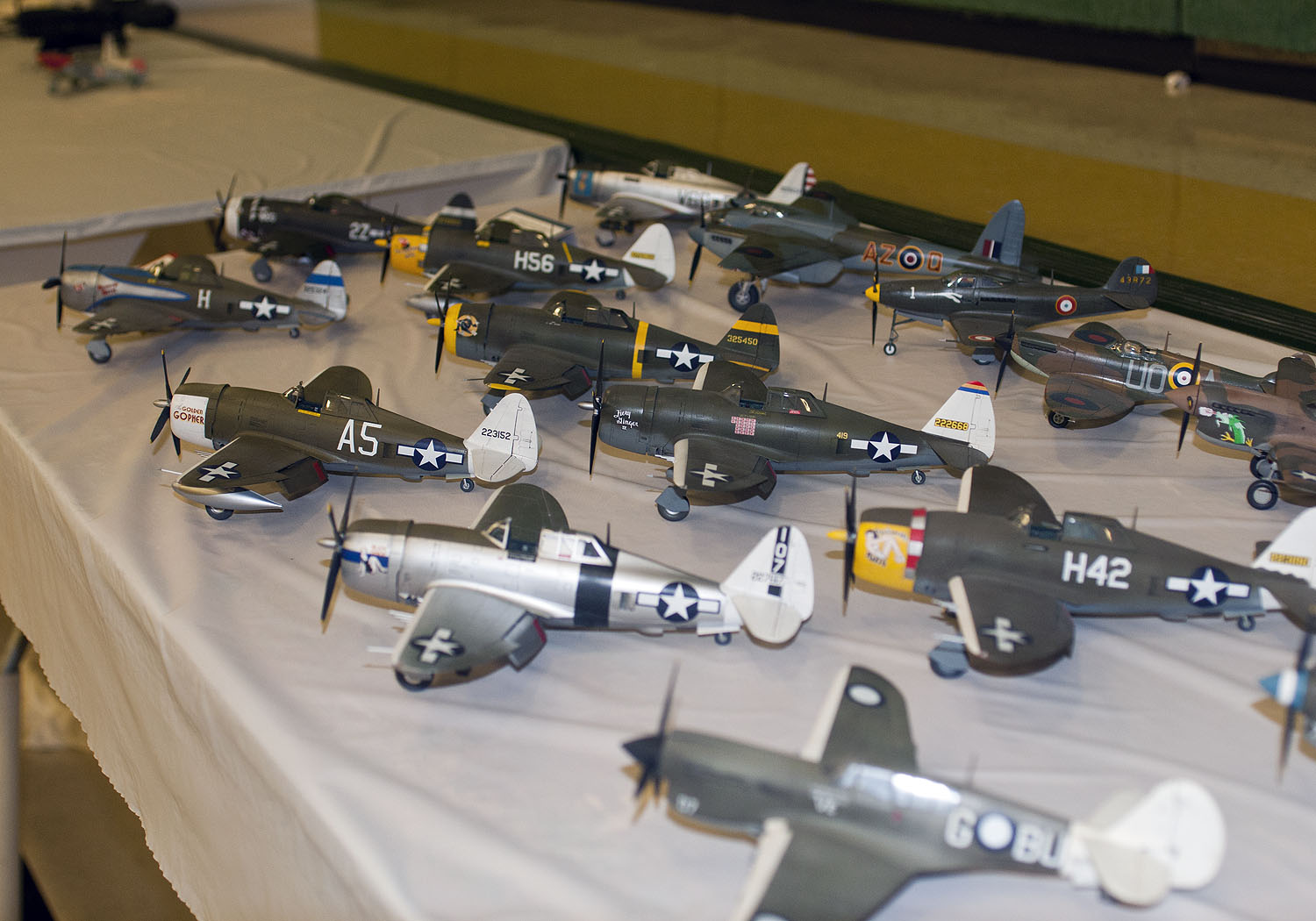
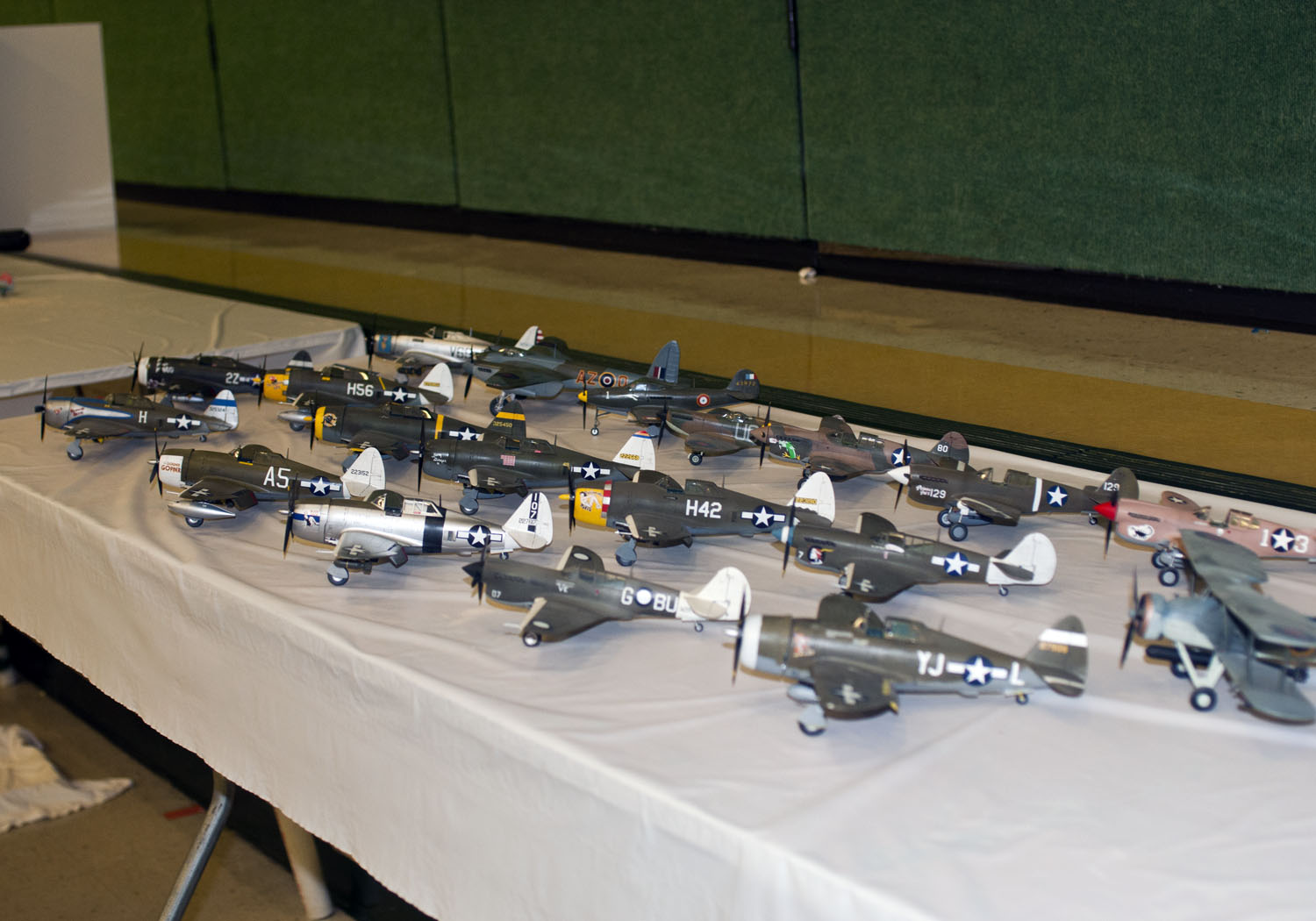
For the 2nd time in two years, IPMS McKinstry came away with the Best Club display award. McKinstry member participation netted an estimated 45 models on 2 tables. A good “across the board” variety included props, jets, and armor. Paul G. brought several of his “one off” wide body military aircraft and there were no less than 10 P-47 Thunderbolts present. Those who participated included Jim Batchelder, Paul Gasiorowski, Mike Hanlon, Ed Mate, Scott Olsen, Dan Paulien, Frank Ress, and the Tick.
2015_Nov_Meeting_DSC_9634

Dan with the Best Club Display award

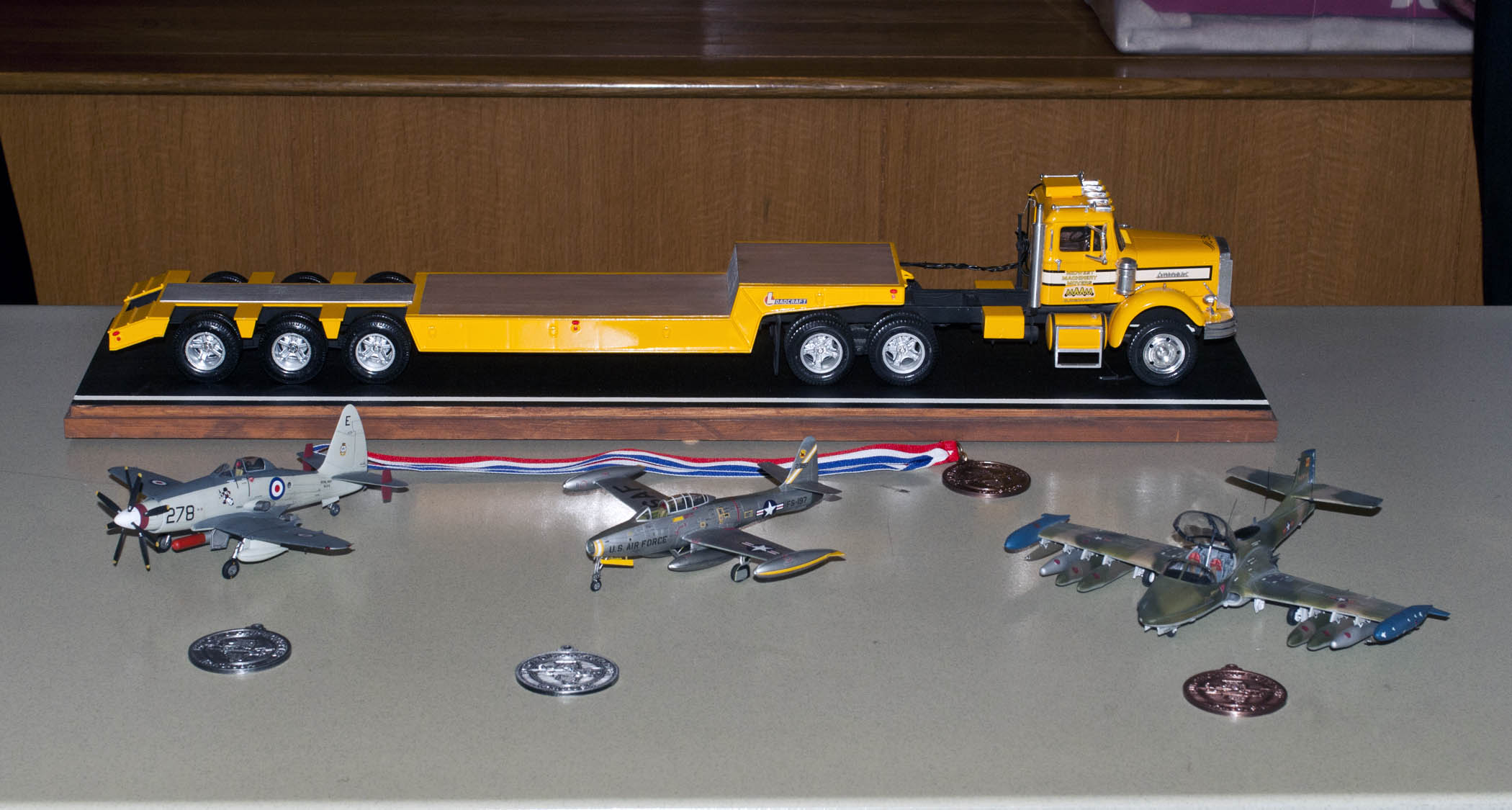
In addition, Glenn Estry, Dan Paulien, and Frank Ress entered several models in the contest, winning 3 bronze and 2 silver.

2015_Nov_Meeting_DSC_9628

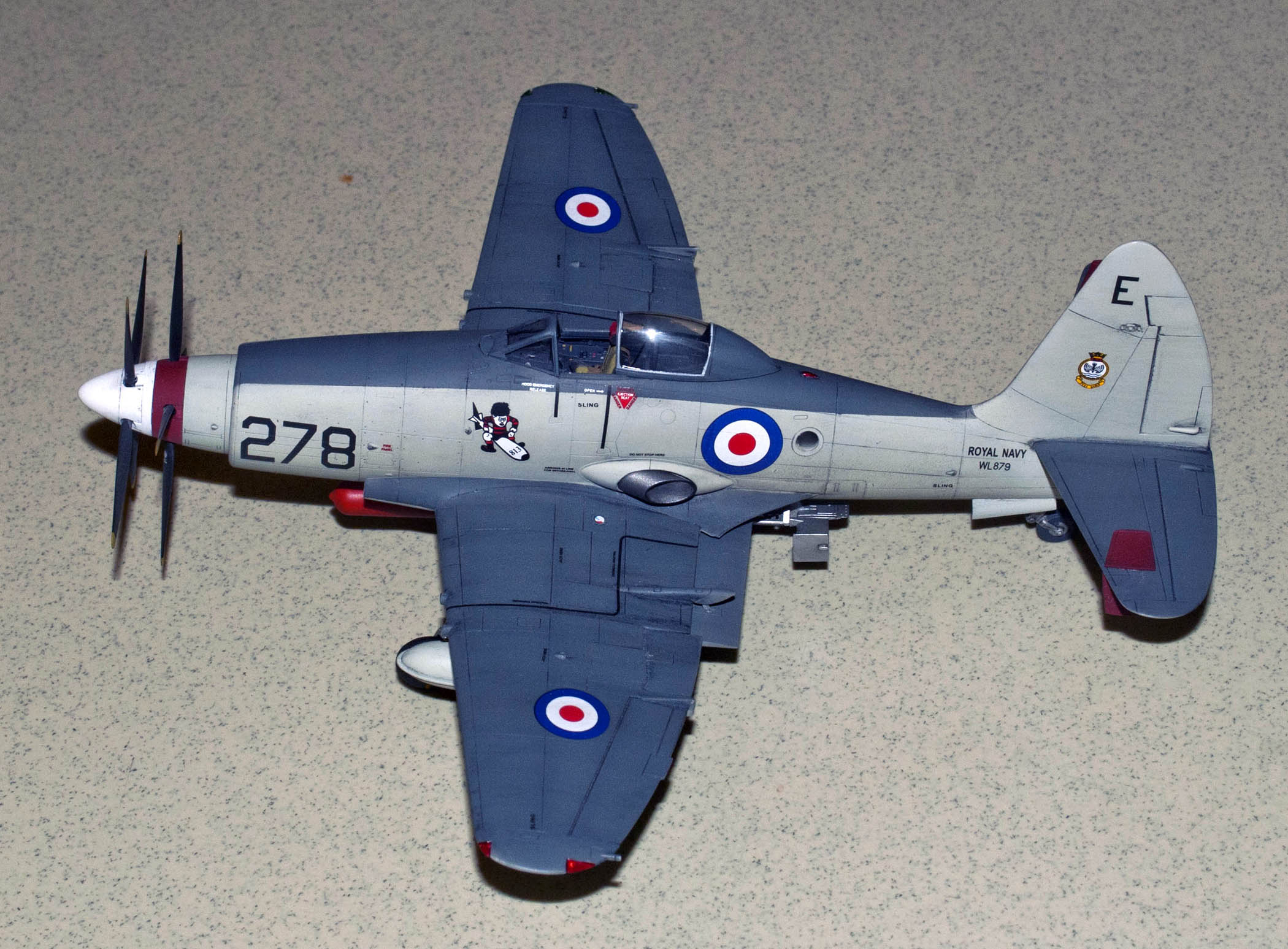
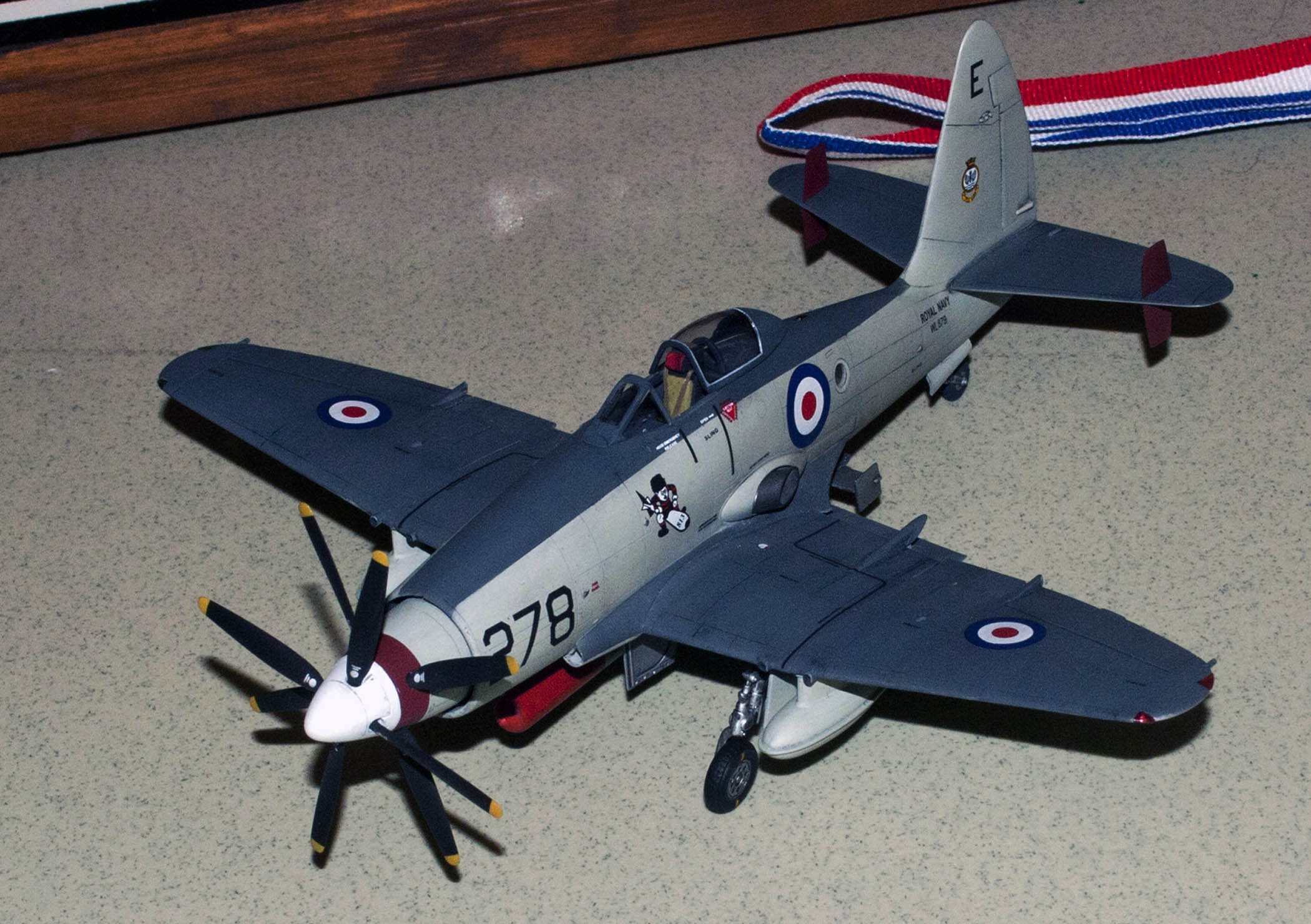
Dan Paulien – Wyvern, silver; F-84G Thunderjet, silver; A-37B Dragonfly, bronze; Frank Ress – Autocar Tractor/Loadcraft Trailer, bronze

2015_Nov_Meeting_DSC_9621

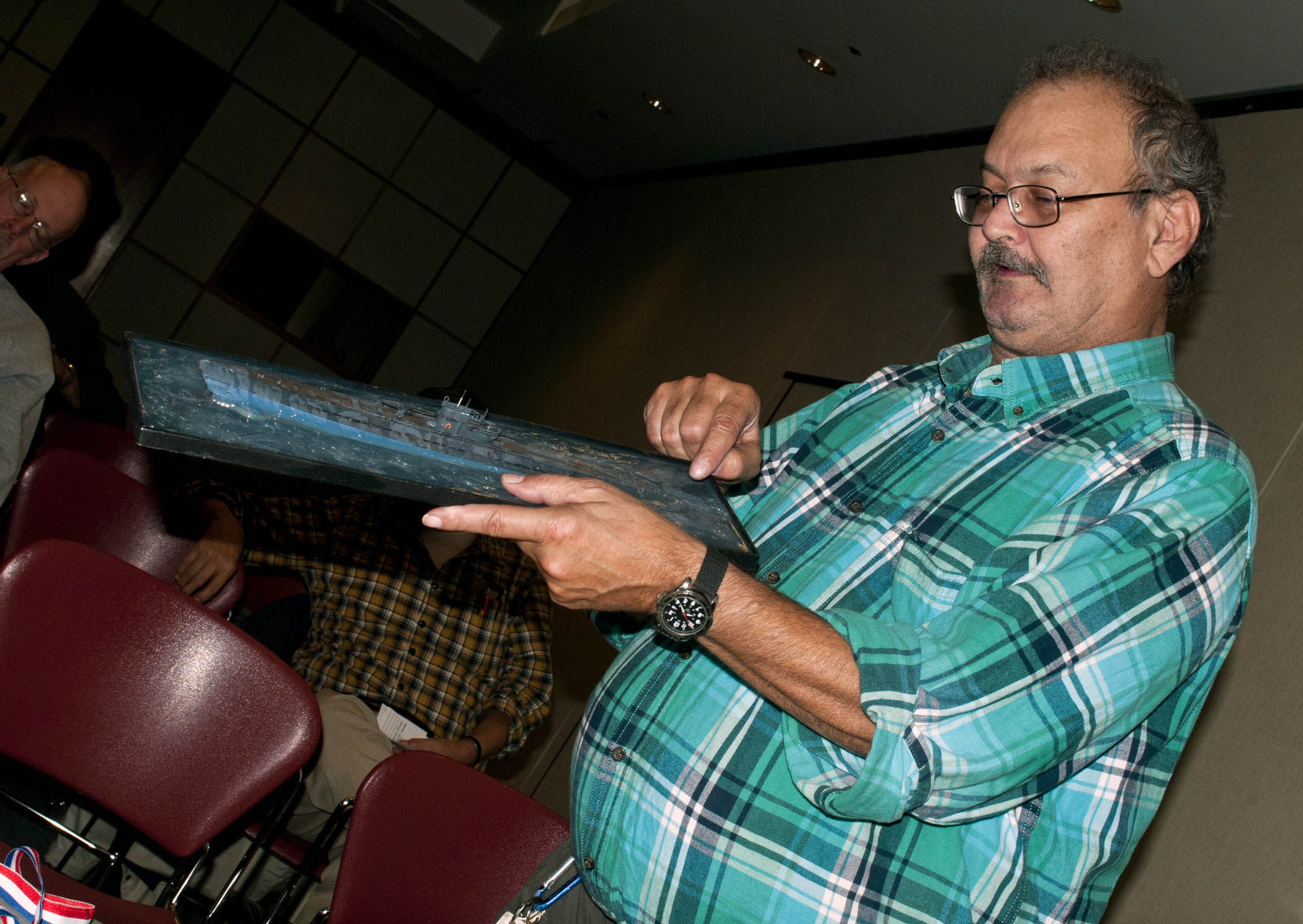
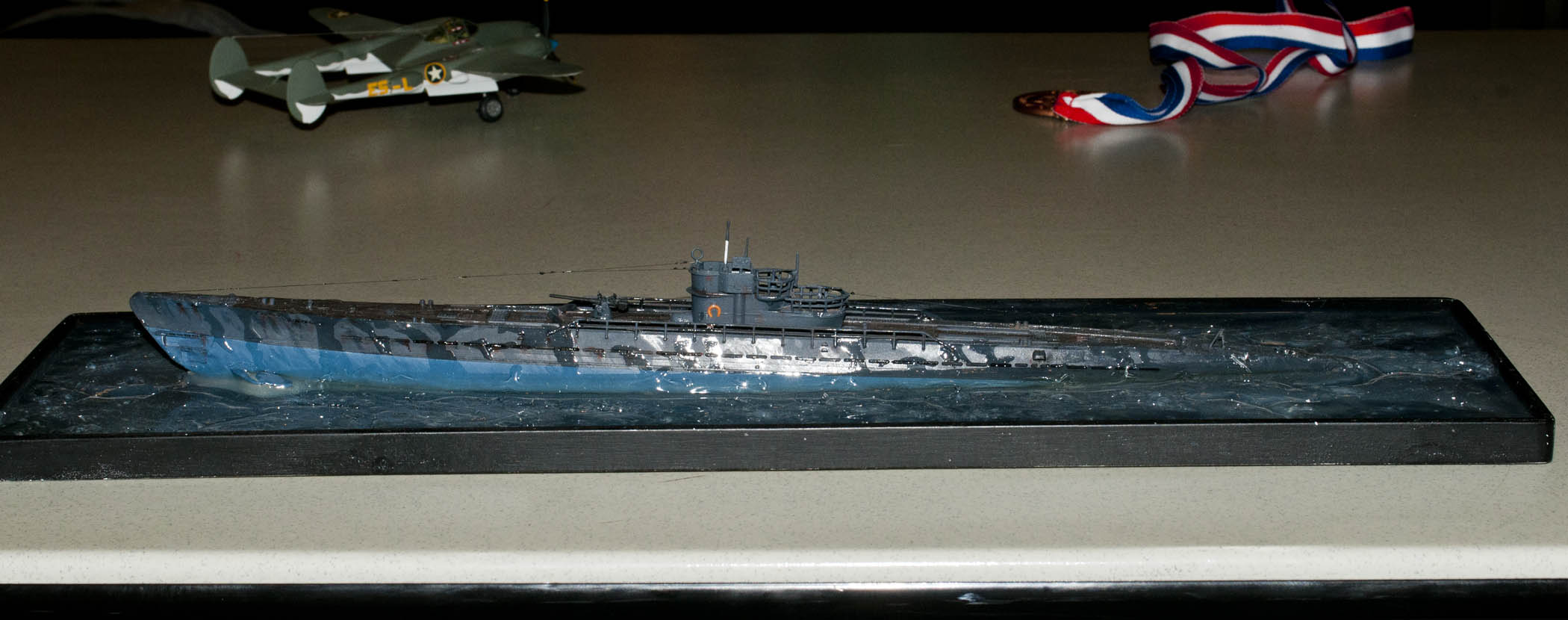
Glen Estry, Nichimoco 1/200 Type IX Uboat, bronze


Club Display Table

OHare_2015_DSC_9570 OHare_2015_DSC_9575OHare_2015_DSC_9576 OHare_2015_DSC_9578 OHare_2015_DSC_9579 OHare_2015_DSC_9580

Paul G. ready to greet and interpret for the fans

Paul G. ready to greet and interpret for the fans

Panorama of the whole table

Panorama of the whole table

Parting Shots

OHare_2015_DSC_9589 OHare_2015_DSC_9585 OHare_2015_DSC_9574 OHare_2015_DSC_9571 OHare_2015_DSC_9569 OHare_2015_DSC_9568

Posted in Contests | Leave a comment

November 2015 Meeting Notes

November 13, 2015 McKinstry Meeting
Theme: Twins

Program: Charlie Scardon – Making Water, Pt. 2

(Due to a longer-than-expected, long-winded general discussion, Charlie’s program was postponed until the January meeting.)

Notes by Paul Gasiorowski and The Tick

For the 2nd time in two years, IPMS McKinstry came away with the Best Club display award.  A number of models from McKinstry members also won individual awards.  Further details to follow in a separate post.

2015_Nov_Meeting_DSC_9634

Dan Paulien cradles the award for best club display, and dreams of even bigger things for next year.

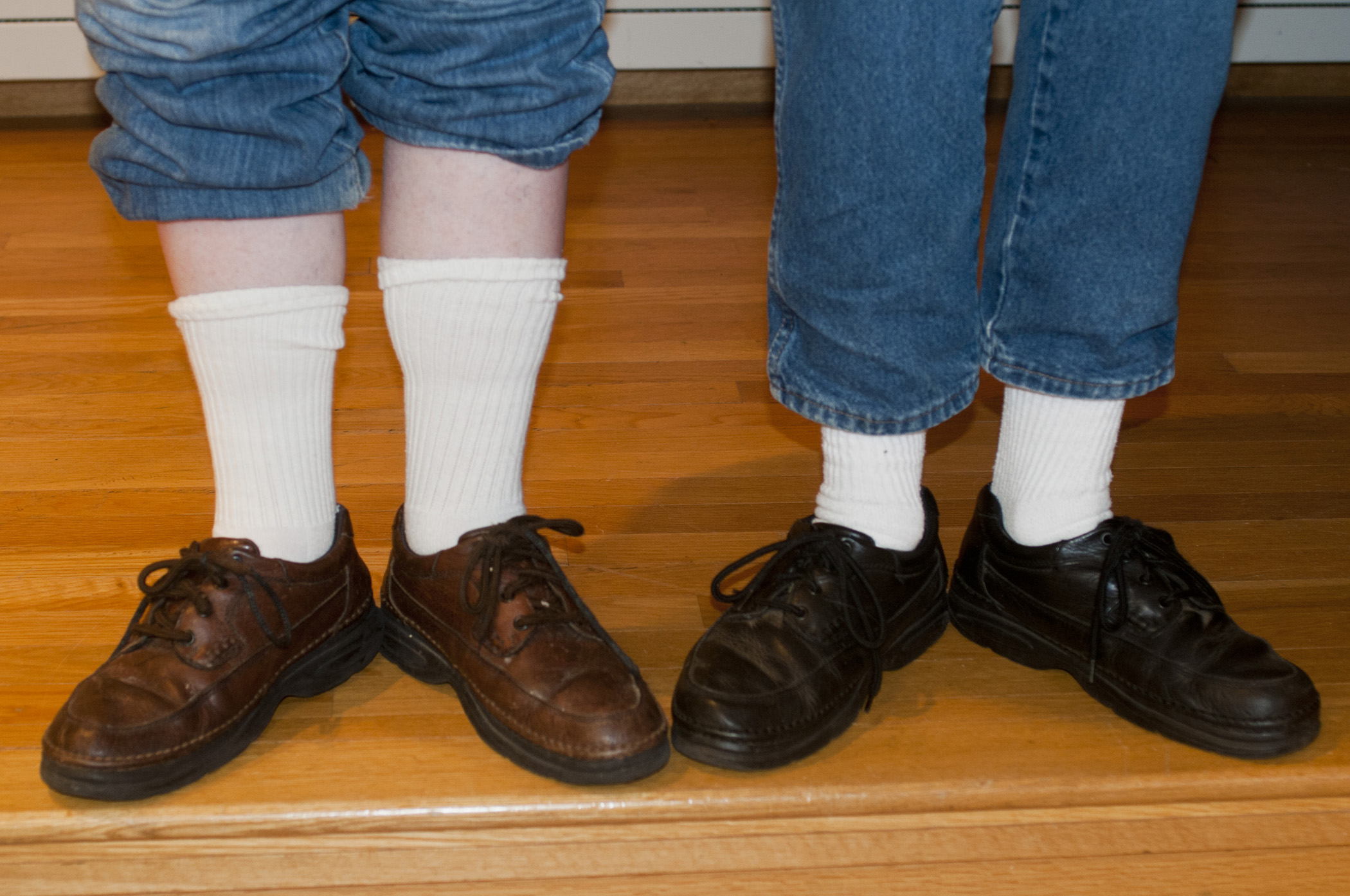
The theme for the evening was twins; anything x2. Bill Soppet and the Tick brought no models, but did note the fact they wear the same shoes. Members (well, Bill and the Tick ARE members) were impressed and thought it noteworthy!

2015_Nov_Meeting_DSC_9648

It really doesn’t matter which is Bill, and which is Norris. Except to them.

That’s right; both Bill Soppet and the Tick wore the same Nunn & Bush shoes. The Tick being a bit further down the road than Ol’ Man Soppet, favored shoes and jeans a bit more weathered. It should also be noted that Bill really does wear his pants that short.

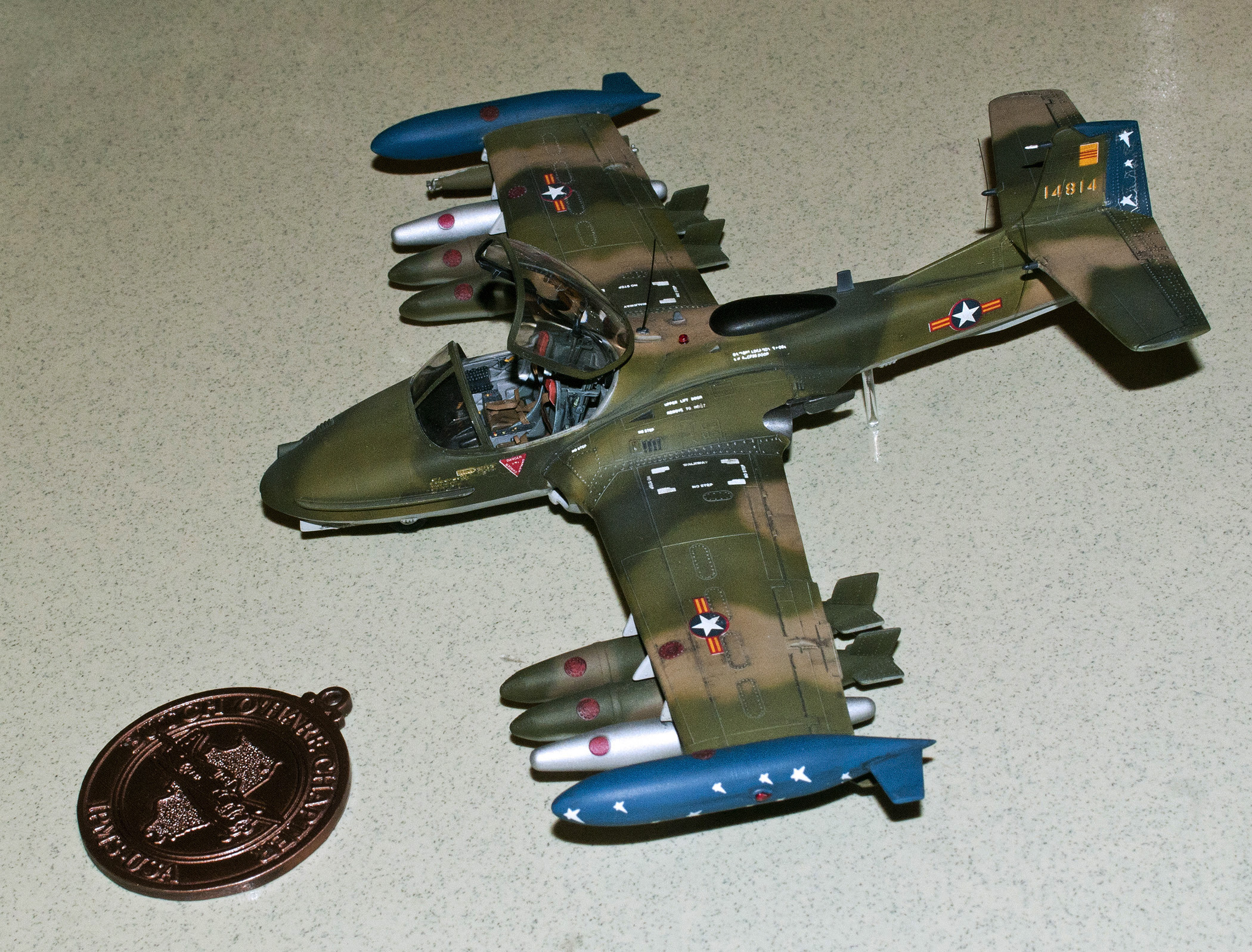
A-37B Dragonfly, 1/48th, Monogram, built by Dan Paulien

2015_Nov_Meeting_DSC_9631 2015_Nov_Meeting_DSC_9627

Dan said it was OOB, however he did add lead foil seat belts, and stretched sprue antenna. Sorry Dan, YOU are disqualified from…   something.  The nice camo job was freehand with airbrush.  Dan scores major points for using the lousy kit decals for the colorful S. Viet Nam markings. This model was awarded a bronze medal at the Butch O’Hare show the week before.

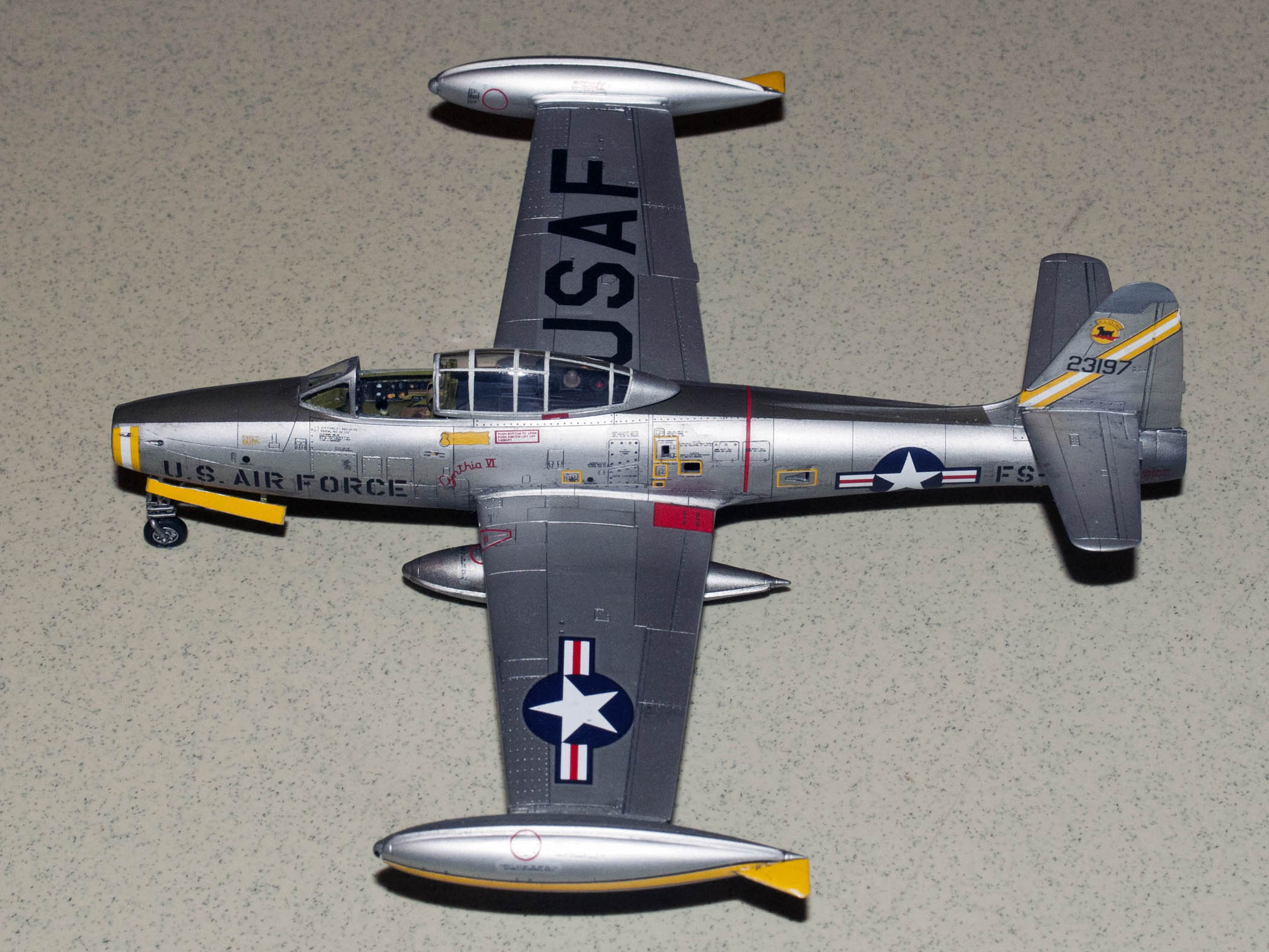
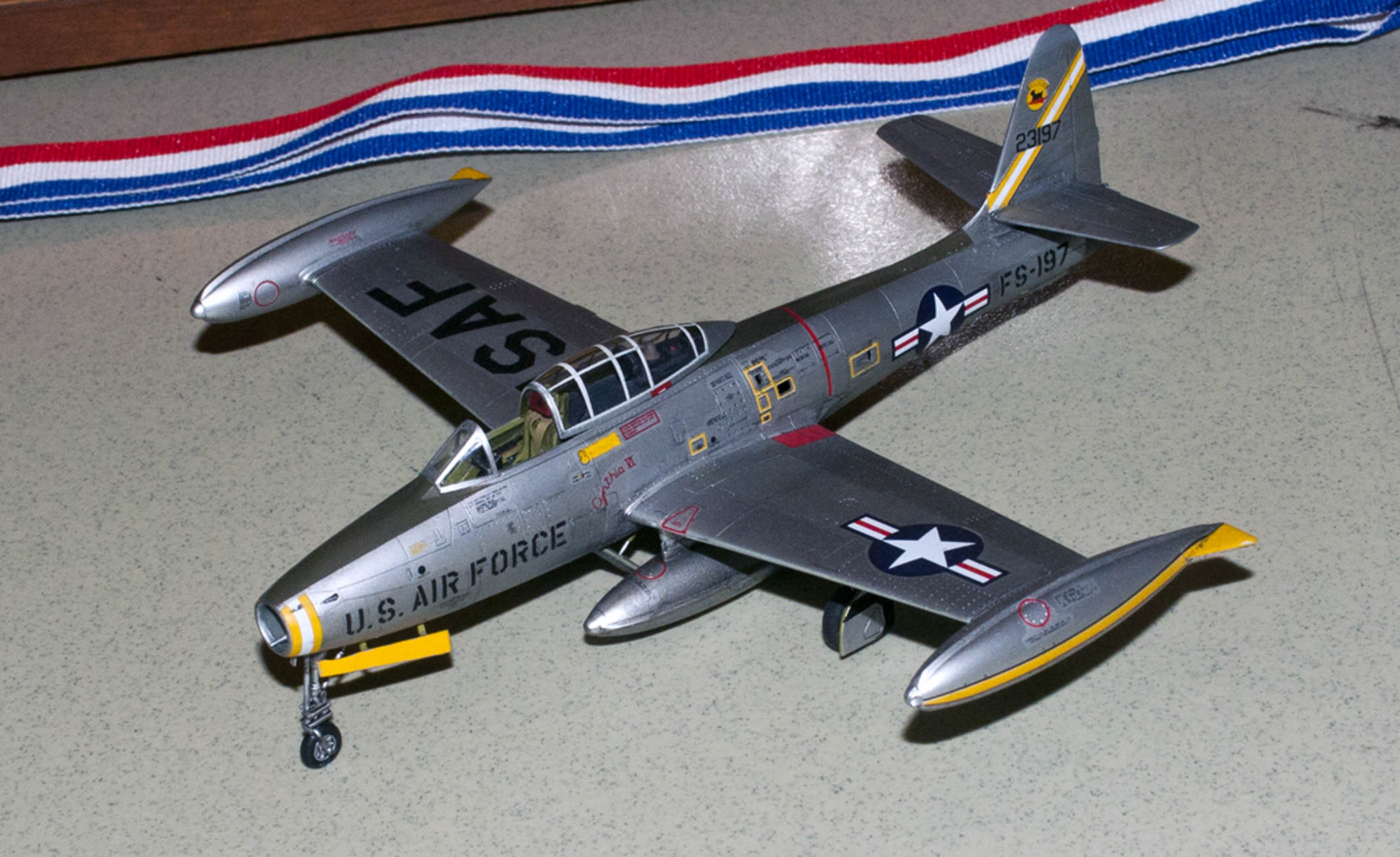
F-84G Thunderjet, 1/72nd, Academy Models, built by Dan Paulien

2015_Nov_Meeting_DSC_9632 2015_Nov_Meeting_DSC_9626a

Airbrushed with Alclad. He says it’s OOB. (See above. I don’t know if we can trust him at his word.) Dan was awarded a silver medal at O’Hare for this one.

Wyvern, 1/72nd, Trumpeter, built by Dan Paulien

2015_Nov_Meeting_DSC_9633 2015_Nov_Meeting_DSC_9625a

My notes don’t indicate if Dan claimed this one was OOB, buy it also netted Dan a silver medal at the Butch O’hare contest.

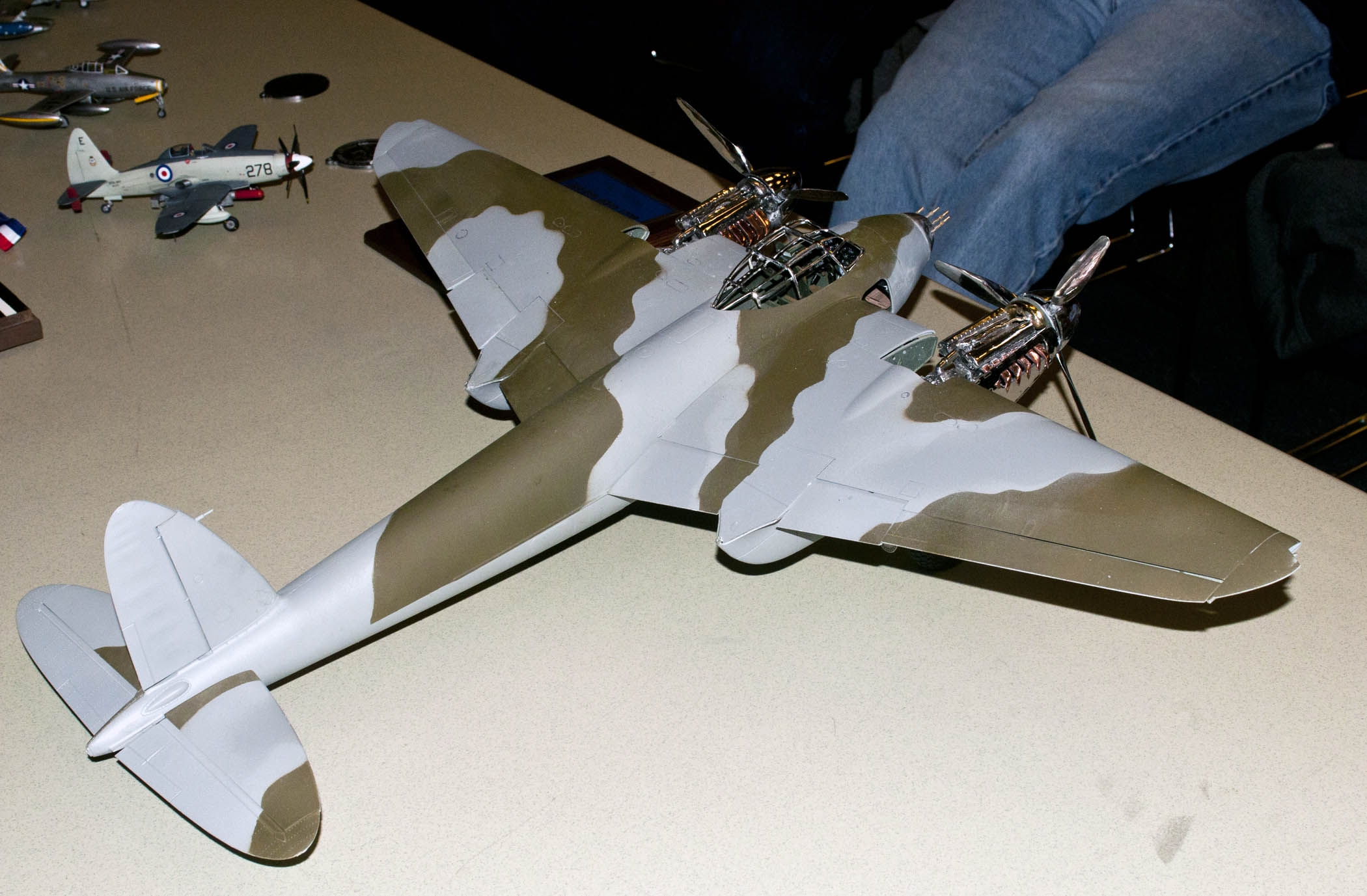
Mosquito, 1/24th, Airfix, by John Koziol Jr.

2015_Nov_Meeting_DSC_9624 2015_Nov_Meeting_DSC_9607

John is showing some progress as the cast engines and landing gear are now attached.,

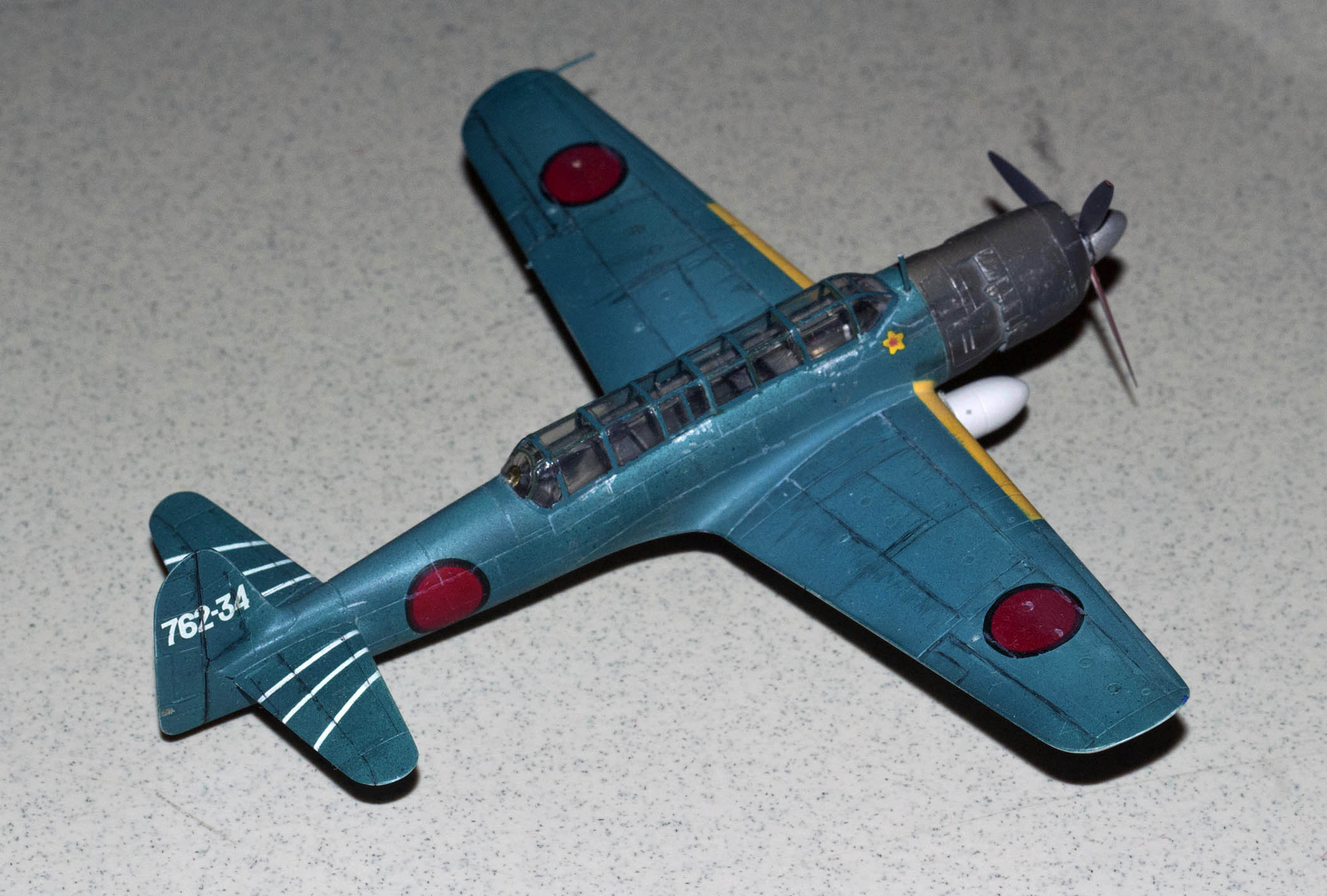
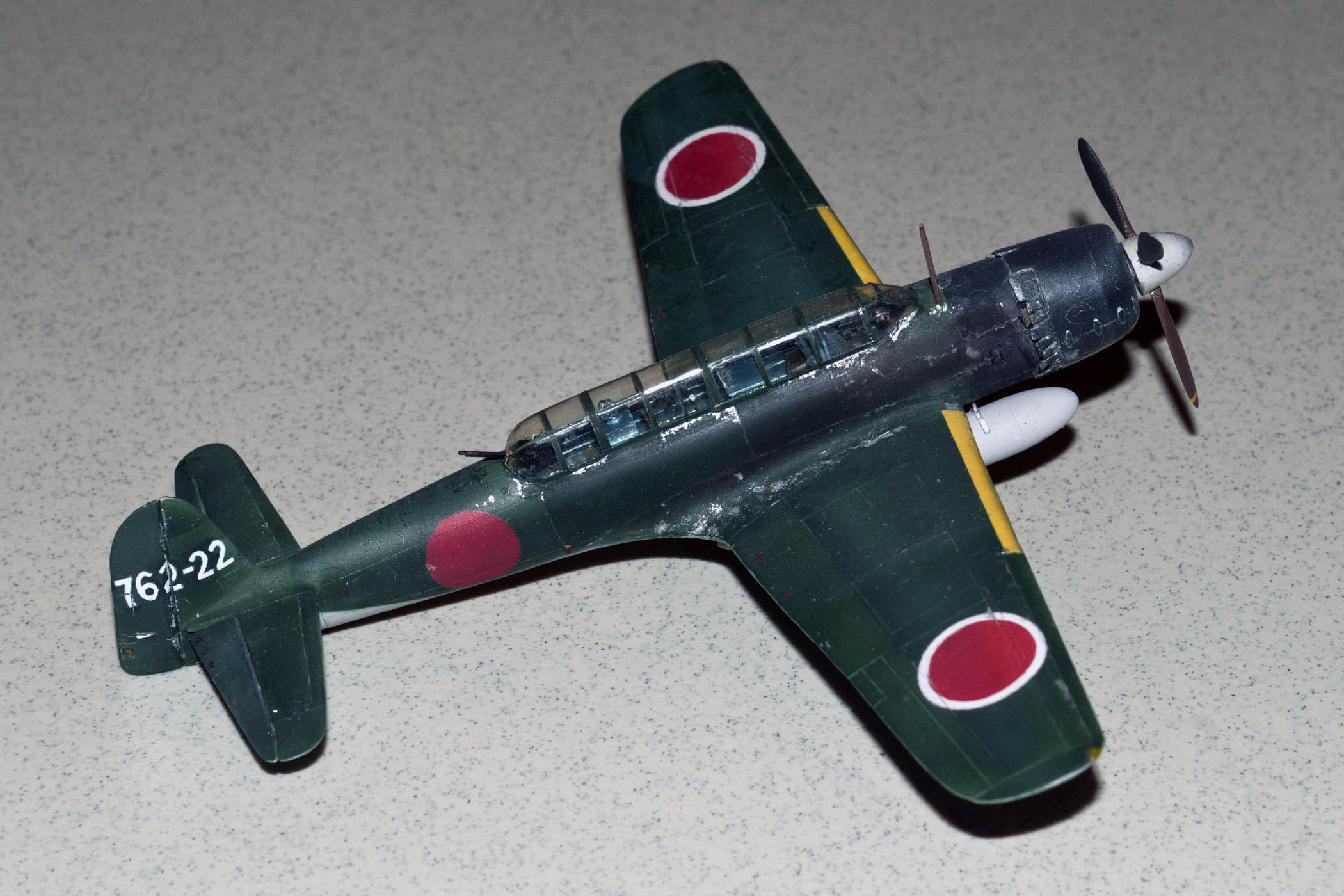
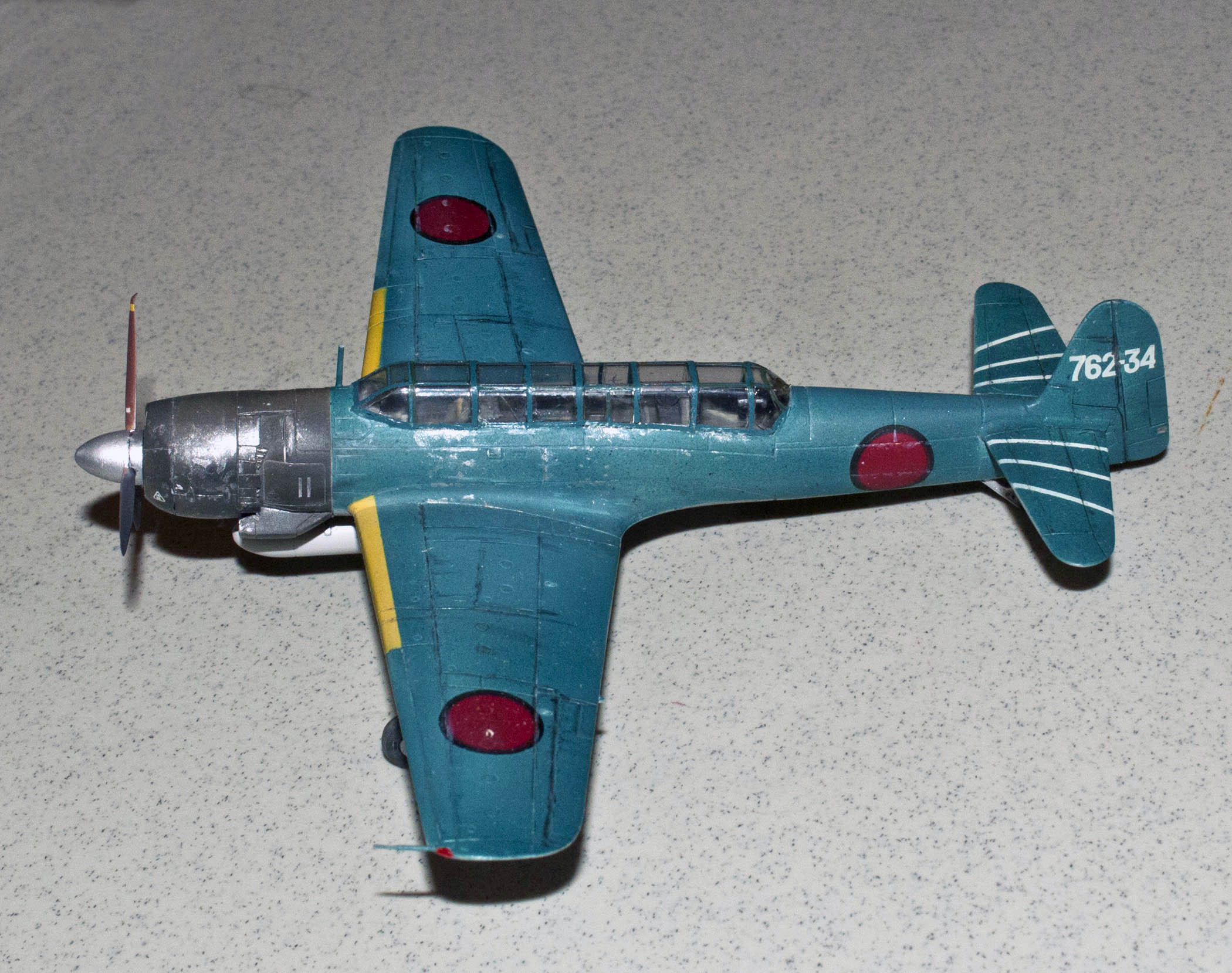
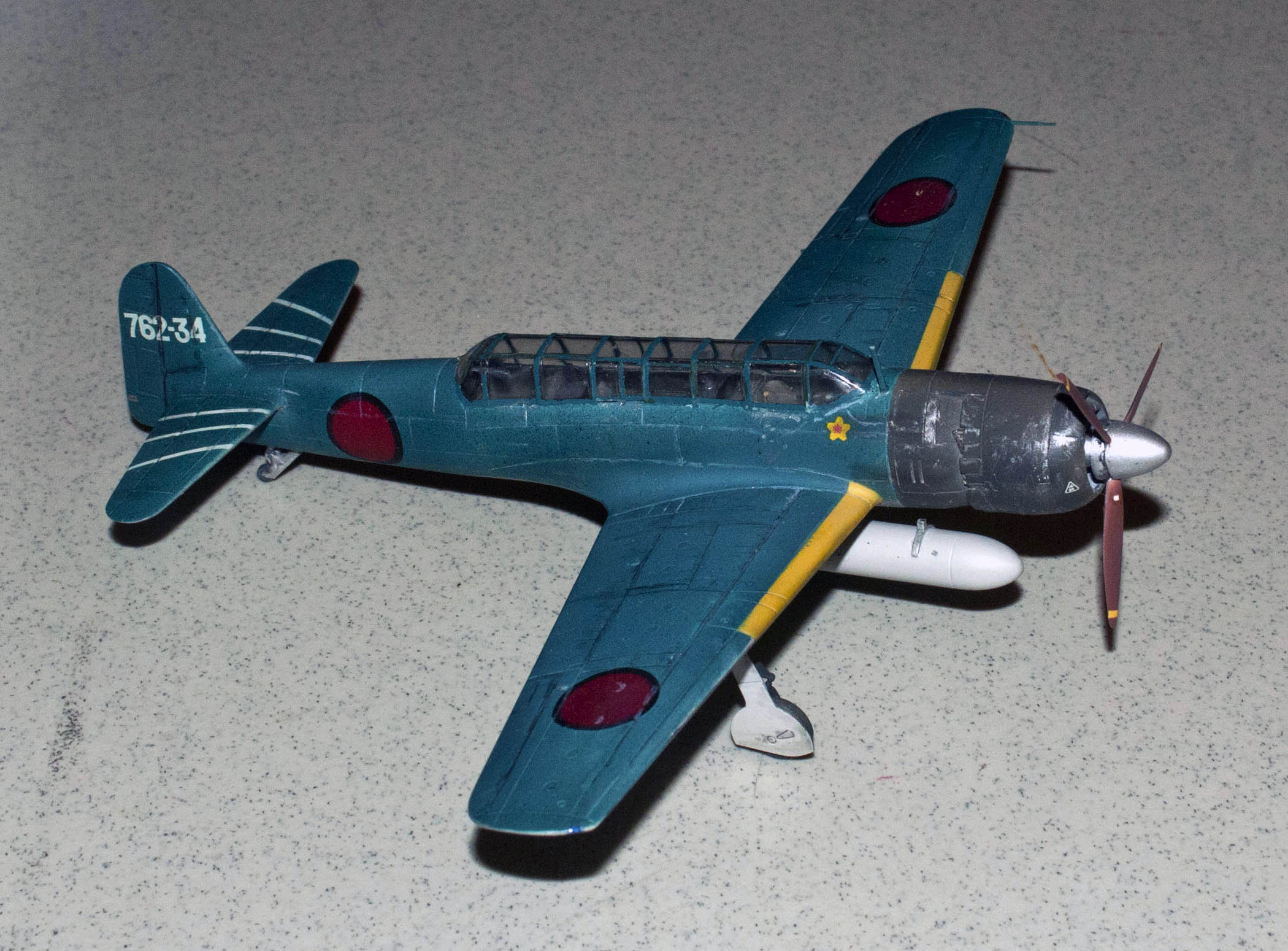
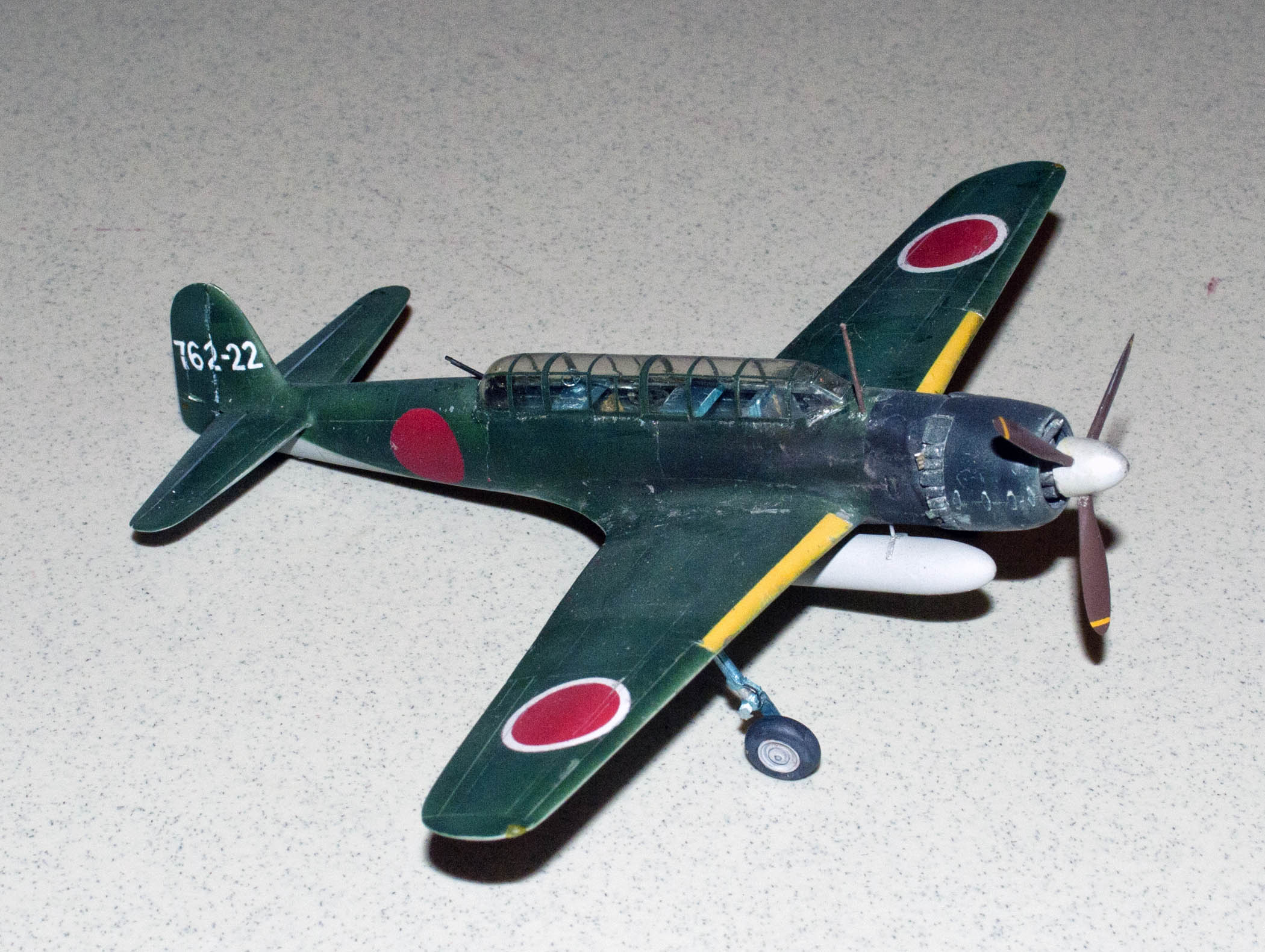
Two Myrts, 1/72nd, Fujimi and Aoshima, by Steve Kumamoto

2015_Nov_Meeting_DSC_9637 2015_Nov_Meeting_DSC_9636

In keeping with the evening theme, Steve brought two MYRTS! Fujimi kit: OOB except for a vac-formed canopy. The Aoshima version: had to cut off pilots and scratch the interior. He made a vacuformed canopy using his Mattel former. He thickened the spinner with plastic wood and scratch built the gas tank.

2015_Nov_Meeting_DSC_9611 2015_Nov_Meeting_DSC_9612 2015_Nov_Meeting_DSC_9608 2015_Nov_Meeting_DSC_9609

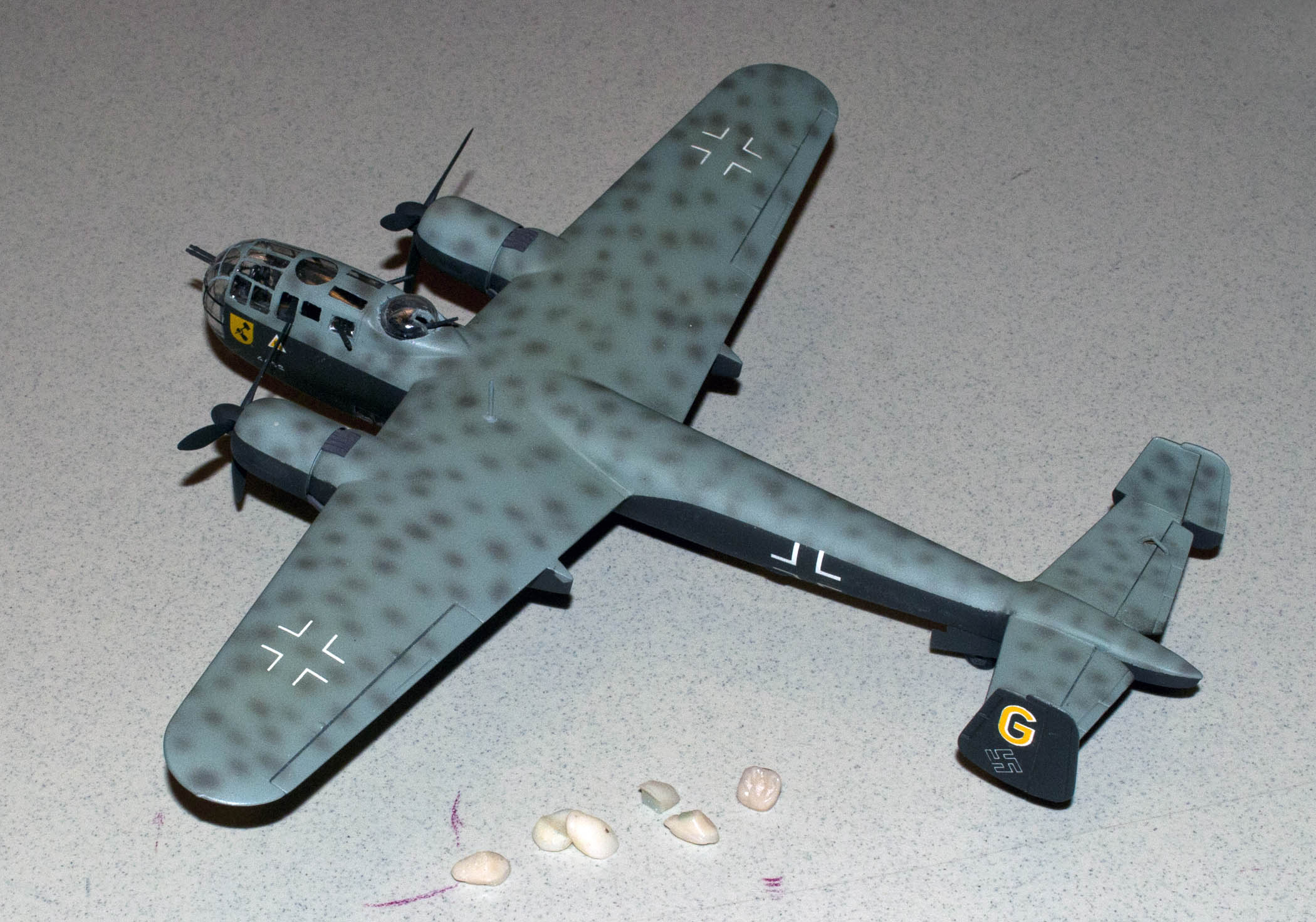
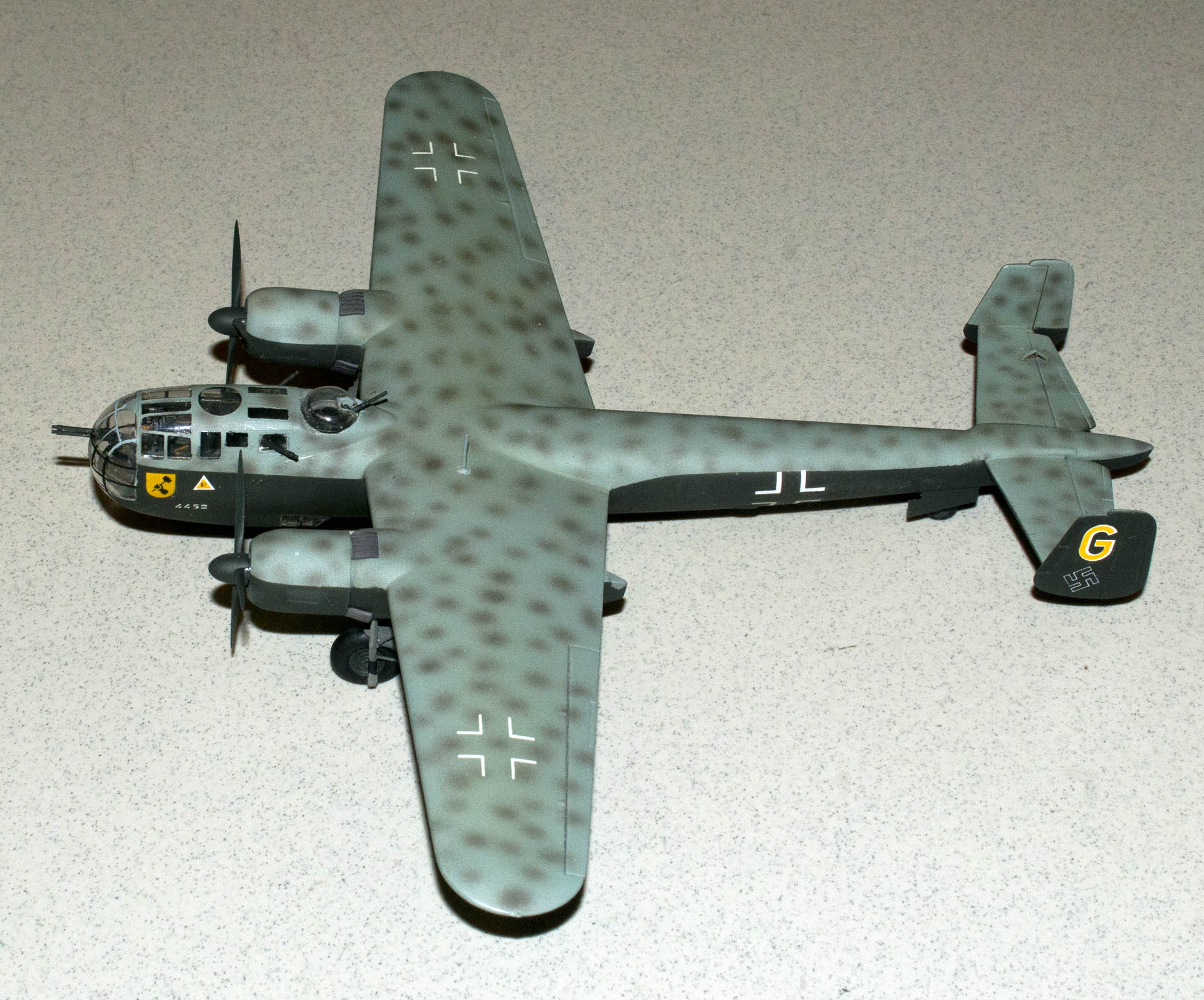
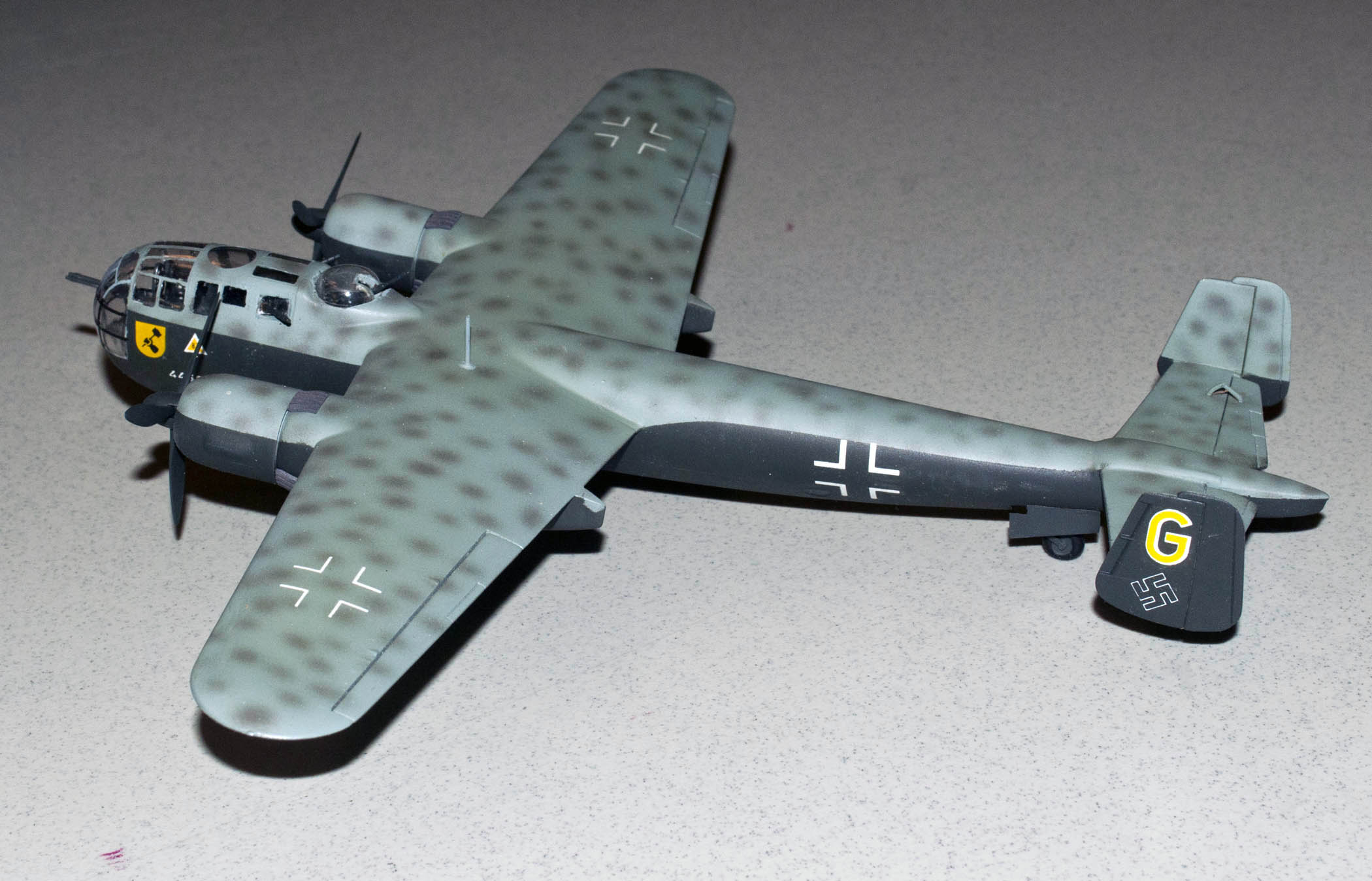
DO-217, 1/72nd, Italeri, by Steve Kumamoto

2015_Nov_Meeting_DSC_9643 2015_Nov_Meeting_DSC_9610

Steve also brought along a DO-217 (also in theme featuring 2 engines…)   It was built OOB and he used decals for all of the canopy framing.

2015_Nov_Meeting_DSC_9635 2015_Nov_Meeting_DSC_9623 2015_Nov_Meeting_DSC_9622 2015_Nov_Meeting_DSC_9613

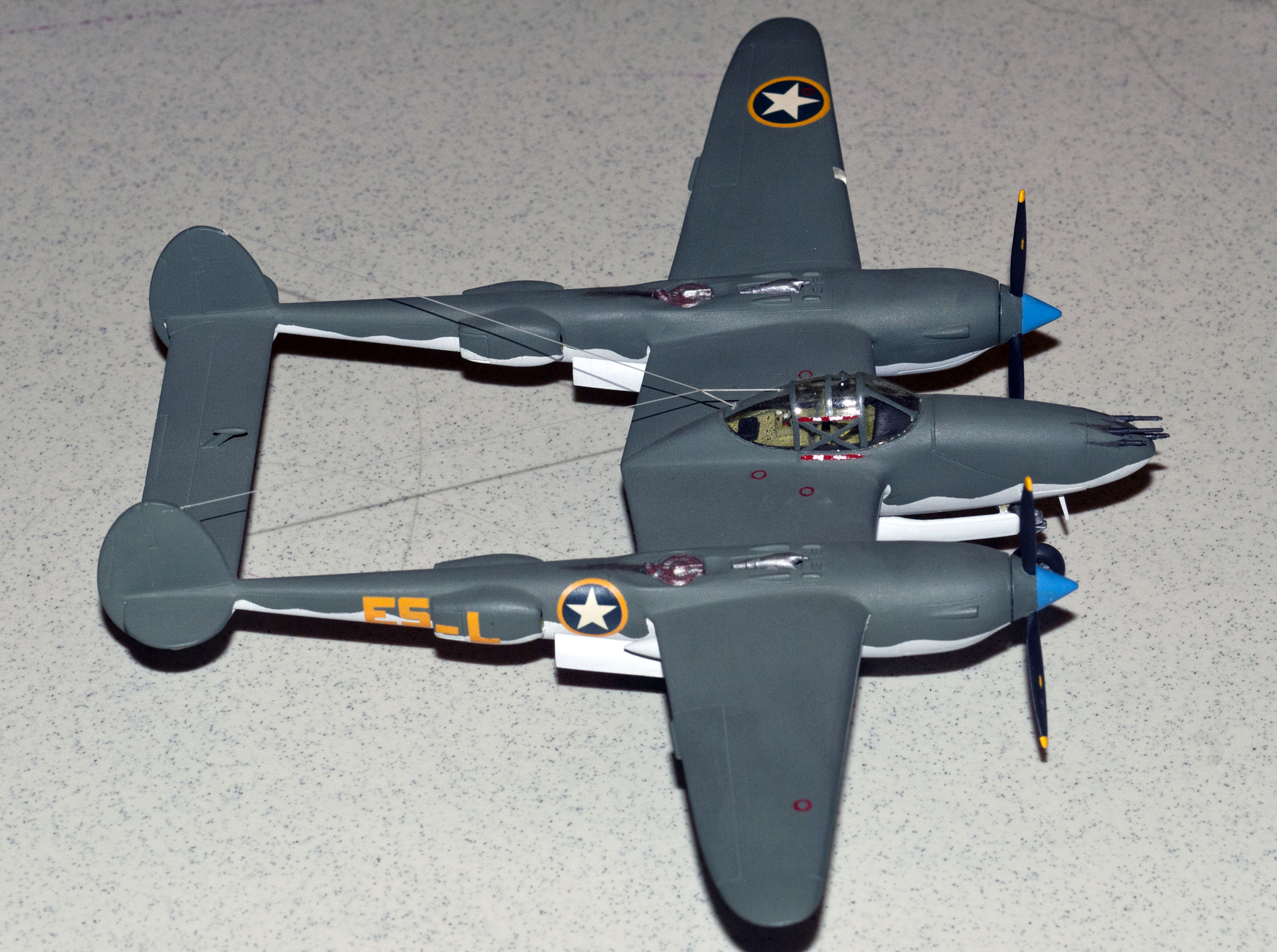
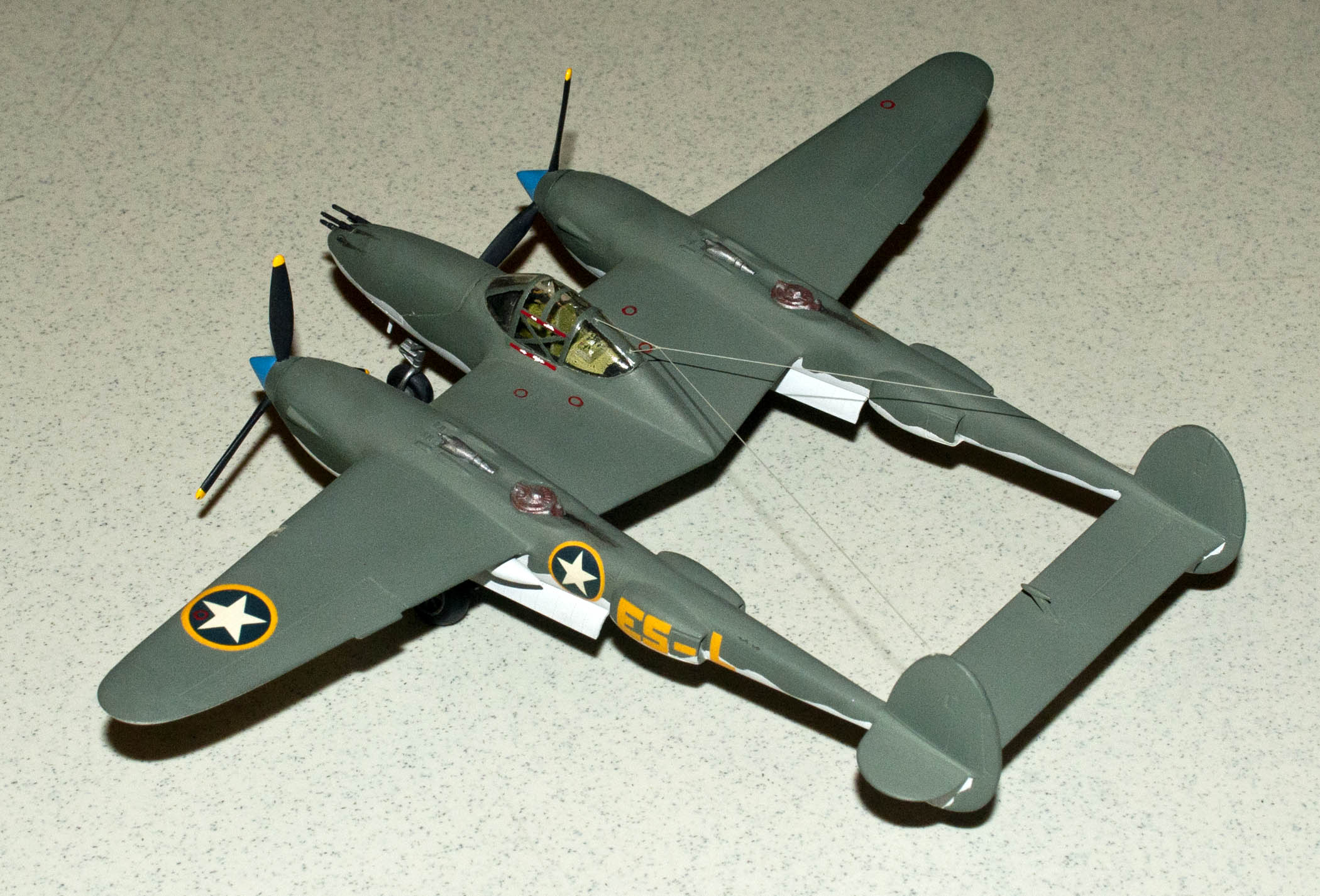
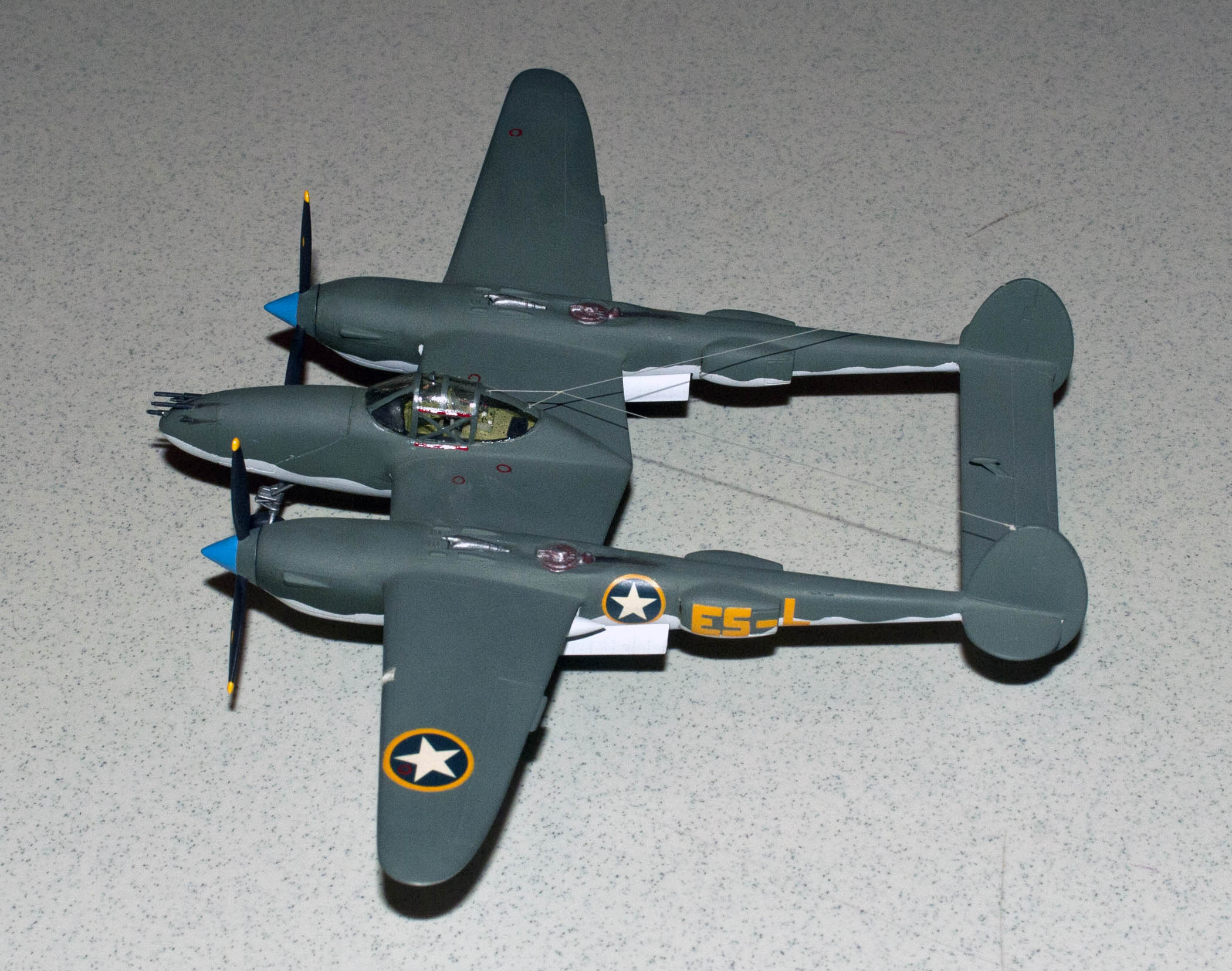
P-38E Lightning, 1/72nd, Airfix, by Frank Ress

2015_Nov_Meeting_DSC_9638 2015_Nov_Meeting_DSC_9616

Frank notes it was the best available kit at the time (late 60’s) and required a lot of filling and sanding.  All the air intakes (aside from the ones beneath the engines) had to be carved out to open them up. The canopy was Vac formed, antenna wires are stretched sprue. Frank used Floquil paint and the kit decals.

2015_Nov_Meeting_DSC_9615 2015_Nov_Meeting_DSC_9614

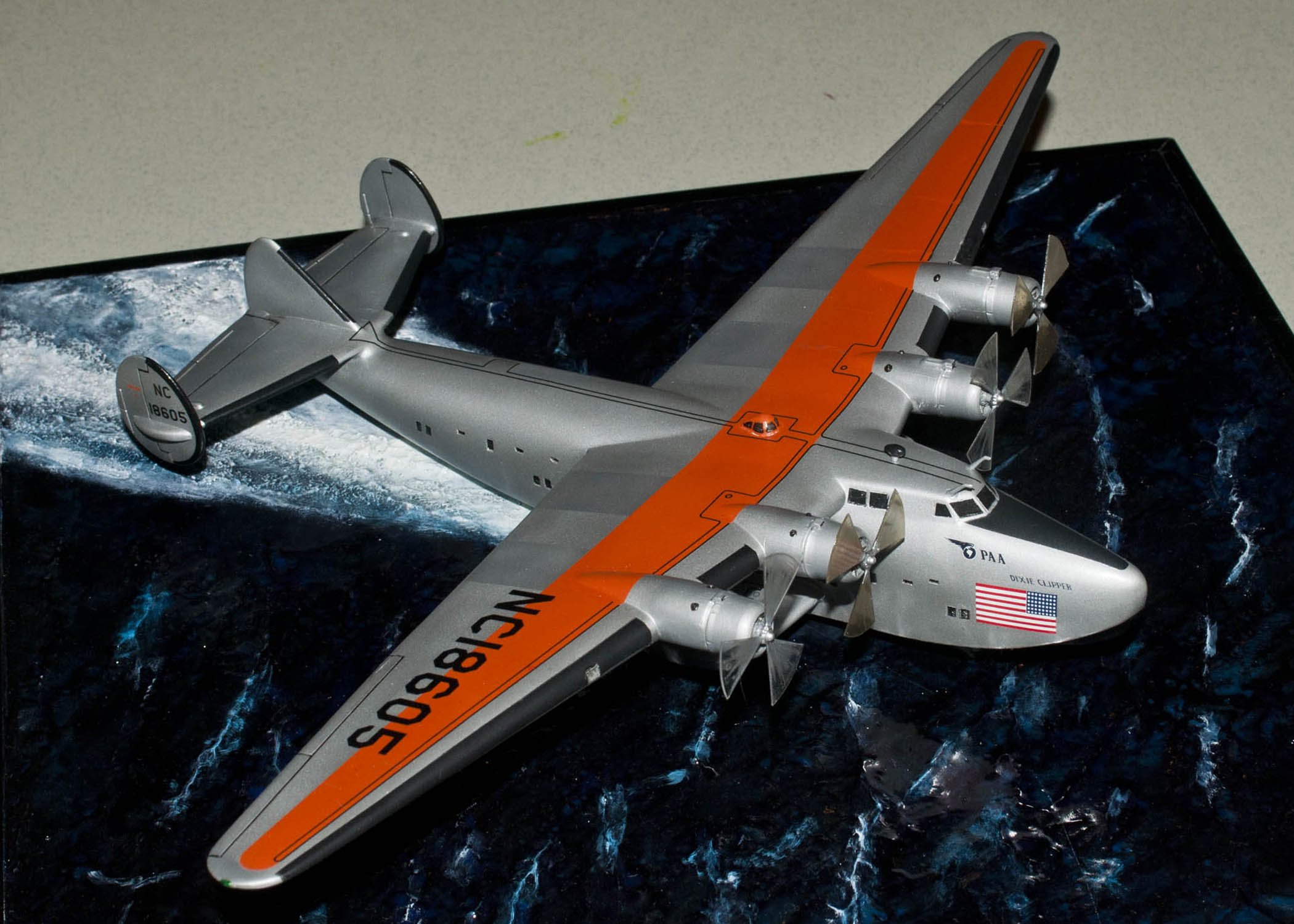
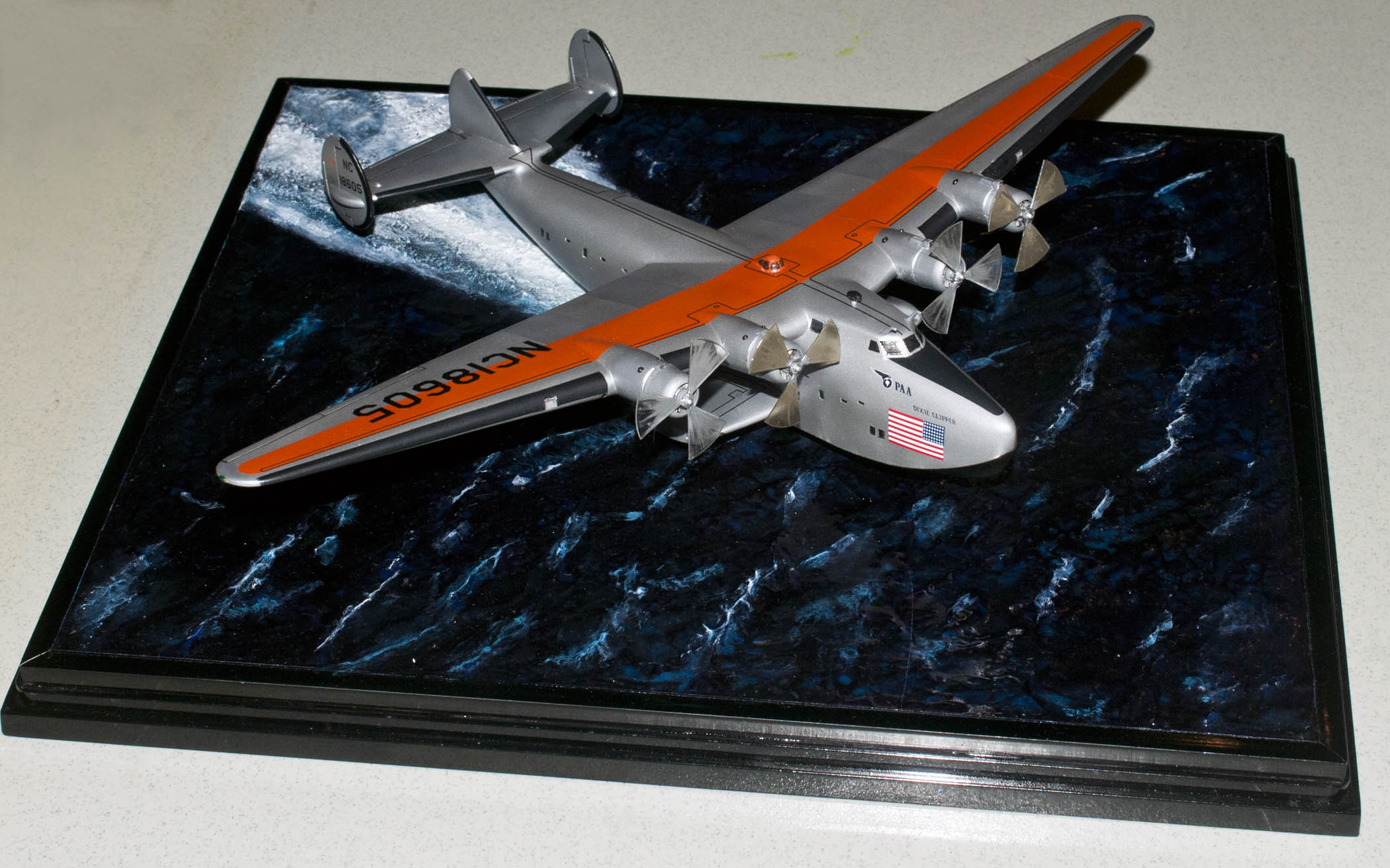
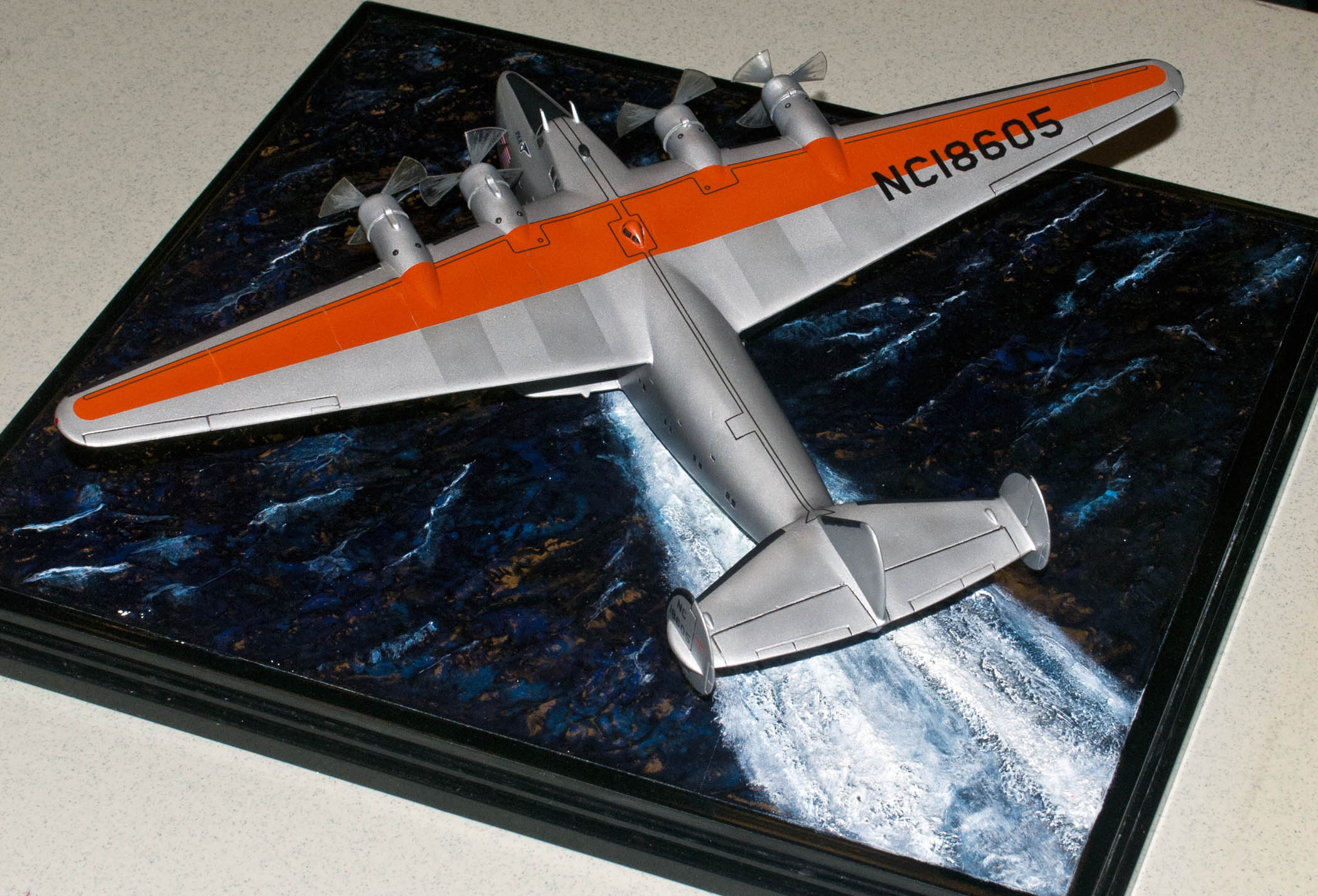
Boeing 314 Pan Am Clipper, 1/144th, Academy/Minicraft, by Mark Murray

2015_Nov_Meeting_DSC_9646

Built out of the box. Water by Charlie Scardon. Charlie KNOWS how to make water…

2015_Nov_Meeting_DSC_9645 2015_Nov_Meeting_DSC_9644

Type IX Uboat, 1/200th, Nichimoco, by Glen Estry

2015_Nov_Meeting_DSC_9640

Glen describes his technique for modelling water

2015_Nov_Meeting_DSC_9641

Sliced on an angle to allow the sub to be displayed as it surfaces.  Water is Liquitex glazing medium. Wiring: .001″ Nanofil fishing line. Bronze medal at Butch O’Hare contest.


Posted in Recaps and Photos, Themes and Programs | Leave a comment

Tamiya Chieftan Mk.5 Main Battle Tank, Kit No. 35068 in 35th scale, by Mark Murray

Chieftan Mk.5 Main Battle Tank

Tamiya Kit No. 35068 in 1/35th

by Mark Murray

Chieftan_pic3

Here’s a quick build article on the Tamiya 1/35th scale British Army tank. The original release date of this kit was in November of 1975. Upon opening the box & inspecting the parts, one realizes that this is an older kit, as it has various characteristics that most static models wouldn’t presently have. As this was originally supposed to be a motorized model, there are large holes in the bottom of the two part hull. These were to accommodate the controls, & switches for this kit. Having those openings was added effort for sealing them up.

The Build:

The build is quite straight forward. I started by assembling the bottom half of the hull. First order of business was closing up the gaps in the bottom. This was done by first gluing a piece of plastic sheet into the bottom, overlapping the holes. This would give a base for the plugs to sit on. After this was secured, I then cut pieces to match the openings out of .040 Evergreen sheet stock. Any gaps around the edges were sealed up with super glue gel. Once all openings were sealed, the area was sanded smooth & blended in. The suspension was then attached to the corrected Hull, but needed some cleaning up to get rid of molding seams & injection marks. Next up came the cleaning up of the road wheels. All 24 of them! There was a radial seam running around the circumference of all the wheels, which needed some attention. To do this, I held each one tight through their centers, with a long machine screw that then acted like an arbor. I spun them in my lathe & and with a file & sanding sticks, did a smooth job of cleaning up the outer surfaces. Once assembled & painted, they were slid on the suspension. After that, it was basically follow the instructions for the rest of the building process.

A few adjustments had to be made on a few parts of the kit. A gap over the rear drive sprocket cover had to be filled, and some blending in of the long cylindrical parts on top of the engine compartment. I also had to shorten the cables that rest on top of the fenders, as they’re too long & stick too far out the aft end if not trimmed. I left a few pieces off for painting, as it was easier to paint & Dulcoat/Gloss coat themseparately. Those being the front lights, light cages & what look to be small fire extinguishers attached to the fender boxes. Reason being that both the headlight lenses & the extinguishers are gloss.

Chieftan_DSC_9316

Painting:

I did some minor research on this subject & found the patterns of the camouflage schemes were quite varied. No two tanks were painted in quite the same pattern. I used pictures from the internet to get a good idea of the colors, & the pattern I used was taken from the instruction sheet & box art. Almost all paints used were Testors Model Master colors. For the main body, I used a combination of Testors RAF Green for the lighter areas, & for the darker green I used the same color, but added approx. 50% of black to it. While it looks black, when seen in light, it shows as a Really Dark green. The outer circumference of the main road wheels were painted Floquil Grimy Grey. The tracks were painted steel, the gone over with mists of dark greys & dark browns. The view ports in the commanders hatch & drivers area was done with silver, followed by a translucent medium blue & finally a clear blue. The exhaust was painted steel & given a quick dry brushing of thinned black. Finally, the dust & grime on the side skirts & lower areas was a combination of Testors Radome Tan, Medium Grey & Floquil Dust. With it all finally set with a couple coats of Testors Dullcoat.

Chieftan_DSC_9329

Conclusion:

While the kit may be rather dated by today’s standards, it still builds up into a good representation of an early Mk.5 Chieftain Main Battle Tank. It assembles relatively easily & there were no major problems encountered. Which was good, as this was my first armor model I’ve built since my early teens. While there will soon be a newer & I assume more detailed versions by Takom, this kit is still a nice representation of this important British tank from the cold war era.

Chieftan_aa


Posted in Kit Reviews | 1 Comment

The Story of Magic Stone 466

OCT 31, 2015: The Navy Cross was earned 50 years ago

Here is the story of Magic Stone 466

Article by Don Jay

Lieutenant Commander T. R. Powers in A-4E BuNo. 151173 side number AH 466 was shot down by triple A, over North Vietnam. Lieutenant Commander Powers survived the ejection and was captured by the North Vietnamese and was murdered by the North Vietnamese while in captivity. He was awarded the Navy Cross.

2015_Nov_MagicStone_pic1

Magic-Stone 466 at top

In 1965, Russian SA-2 Surface to Air Missiles (SAMs) had begun to appear in North Vietnam. Previously, US aircraft were able to fly over their targets unmolested at 15,000 feet-plus to begin a dive bomb attack. The newly arrived SAMs canceled out that high altitude sanctuary and forced pilots down low where anti-aircraft artillery (AAA) fire was intense, withering and often deadly.

This new SAM threat caused the USAF and USN to cooperate in seeking a solution. The 2nd Air Division at Tan Son Nhut AB, arranged with the Navy to have Navy AN/APR-23 equipped A-4Es fly with the F105 wings out of Takhli and Korat. The A-4s would be the pathfinders for the ‘Iron Hand’ F-105s. The Thuds at this time had no homing or electronic warning gear.

A-4E of VA-164 in Oct 1965

A-4E of VA-164 in Oct 1965

Navy LCDR Trent Powers landed his A4E Skyhawk at Korat carrying his own Mk 82 500-pound snakeye bombs & Zuni rockets. Powers was the XO of the USS Oriskany’s VA-164 squadron. The Navy had sent the very best. Powers knew this was a big time White House directed mission, and dangerous. His call sign was “Magic Stone 466”.

On this date LtCdr Powers led 8 F-105s to attack a SAM site 5 miles SW of Kep. Each Thunderchief would carry eight Mk-117 750 lb. bombs. At the same time a joint USAF-USN strike mission of 65 ac was conducting a strike on the bridge at Kep. These type missions were called Dooms Day missions; because invariably someone got shot down from the intense AAA around Hanoi and now the added SAM threat-but there was no shortage of volunteers. A total of 27 SA-2s would be shot at this package.

F-105Ds on tanker

F-105Ds on tanker

LtCdr Powers wanted to fly across the target level at 50 feet and skip bomb with his high drag snakeyes. The Thuds preferred to dive bomb, using a pop-up from the deck to create a dive bomb run. This made it tougher for the ground gunners to track us. As Powers would be first across the target and out of the way, his flat pass would not conflict with the dive-bombing Thuds.

Magic Stone 466 had the magic black box (APR-23) or what passed for magic, circa 1965. Actually it was similar to the old semi-worthless coffee grinder ADF (Automatic Direction Finder) device we used in the late fifties in Europe. A needle would point in the general direction of a SAM site, when and if the SAM was in the radar search mode. Operator skill was required to find the target, and that meant Powers was the key player on this mission; one Navy pilot leading eight Air Force bomb laden Thuds in hopes of finding a well hidden missile site.

The package launched, joined up, refueled off a KC-135 and headed north, only to find a solid overcast at the let down point. The mission was obviously a No-Go due to weather. But instead; Powers’ gave a slight wing rock, a wordless command to join in tight nine-ship “V” formation and descended into the clouds. No one would have criticized him one bit if he canceled for weather and returned to base. Instead, he pressed on and the Thuds followed tucked in tightly on his wings. Imagine a nine-ship Vic in cloud, heavy with fuel and bombs, bouncing around-pretty damn exciting.

Nearing the target, the formation finally broke out of the clouds and went to the deck to counter intense ground fire. Spread out and no longer a tactical formation, a gaggle of bomb-laden Thuds were strung out in loose single file trusting their fate to their Navy leader.

F-105 Flight Lead after action report: “…at one point, there were hills on both sides with overcast above making a sort of tunnel. I got slung into cloud during a sharp turn and immediately punched the nose back down desperately hoping for valley beneath instead of hillside. I remember thinking: “I’m not going to miss this mission for anything”. Stupid decision? Probably. “Better dead than to be a f**kup” is the pilot credo. As we screamed low level towards the target I flew so low over a guy driving a farm tractor that he leapt to the ground. He was doing about two knots; we were doing 550 (635 mph). When they are shooting at you: LOW is good FAST is good. Approaching the Hanoi area my jet was hit by small arms fire causing various yellow caution lights to illuminate. On we pressed; we were the goats, tethered to lure the lion out into the open for the kill.”

Until that day, it was a big deal when just one or two SAM’s were launched. Today they were firing them like artillery shells. An EB-66 orbiting over Laos transmitted repeatedly in rapid order the code word warnings for missile “locked on” and missile “launched”.

As they closed toward the general target area, Powers calmly transmitted; “I’ve got’em on my nose, starting my run”. He flew directly over the target at 150’ to drop his snakeyes and mark the target for the Thuds. During his run in he was hit with AAA and caught fire, completing his ordnance delivery, he began a sharp banking climb, hit again, Magig-Stone 466 disintegrated. Powers ejected and a good parachute was seen and his SAR beeper was heard but he never came up voice. Nothing was heard about LtCdr Powers until 1987 when the North Vietnamese returned his remains.

Severely damaged SAM site

Severely damaged SAM site

The F-105s provided the hard kill of the SAM site. All of them returned-one with 37 holes in the ac. The Thud crews passionately pitched General Simler (2nd Air Division) to award the Air Force Cross to Powers-instead years later Powers was awarded the Navy Cross.

POWERS, TRENT RICHARD

Captain, U.S. Navy

Attack Squadron 164, U.S.S. Oriskany

Date of Action: October 31, 1965

Citation:

The Navy Cross is presented to Trent Richard Powers, Captain, U.S. Navy, for extraordinary heroism on 31 October 1965 while serving as a pilot of jet attack aircraft with Attack Squadron 164, embarked in U.S.S. Oriskany (CVA-34) during a combat mission over hostile territory in North Vietnam. Captain (then Lieutenant Commander) Powers was assigned the demanding and unusual task of leading a two-division, United States Air Force flight into an area heavily defended by antiaircraft artillery and surface-to-air missiles, with the mission of locating and destroying the missile installations. He planned the attack route and led the eight- plane group over more than six hundred miles of unfamiliar, cloud-shrouded, mountainous terrain, arriving in the target area precisely at a prebriefed time that had been selected to coincide with the strikes of two carrier air wings against a bridge. The target area was the scene of an intense air-to-ground battle, many surface-to-air missiles were being fired and heavy enemy antiaircraft fire was observed in all directions. With full knowledge of the serious hazards involved, Captain Powers courageously led the Air Force aircraft into battle. His bombs and those of the Air Force aircraft which he led inflicted severe damage to both missile sites. By his superior aeronautical skill and valiant determination, Captain Powers upheld the highest traditions of the United States Naval Service.

Home Town: Minneapolis, Minnesota

Lt. Cdr. Trent R. Powers R I P

Lt. Cdr. Trent R. Powers
R I P

Posted in History in 1/1 Scale | Leave a comment