February 20, 2015 McKinstry Meeting
Theme: Stormy Weather

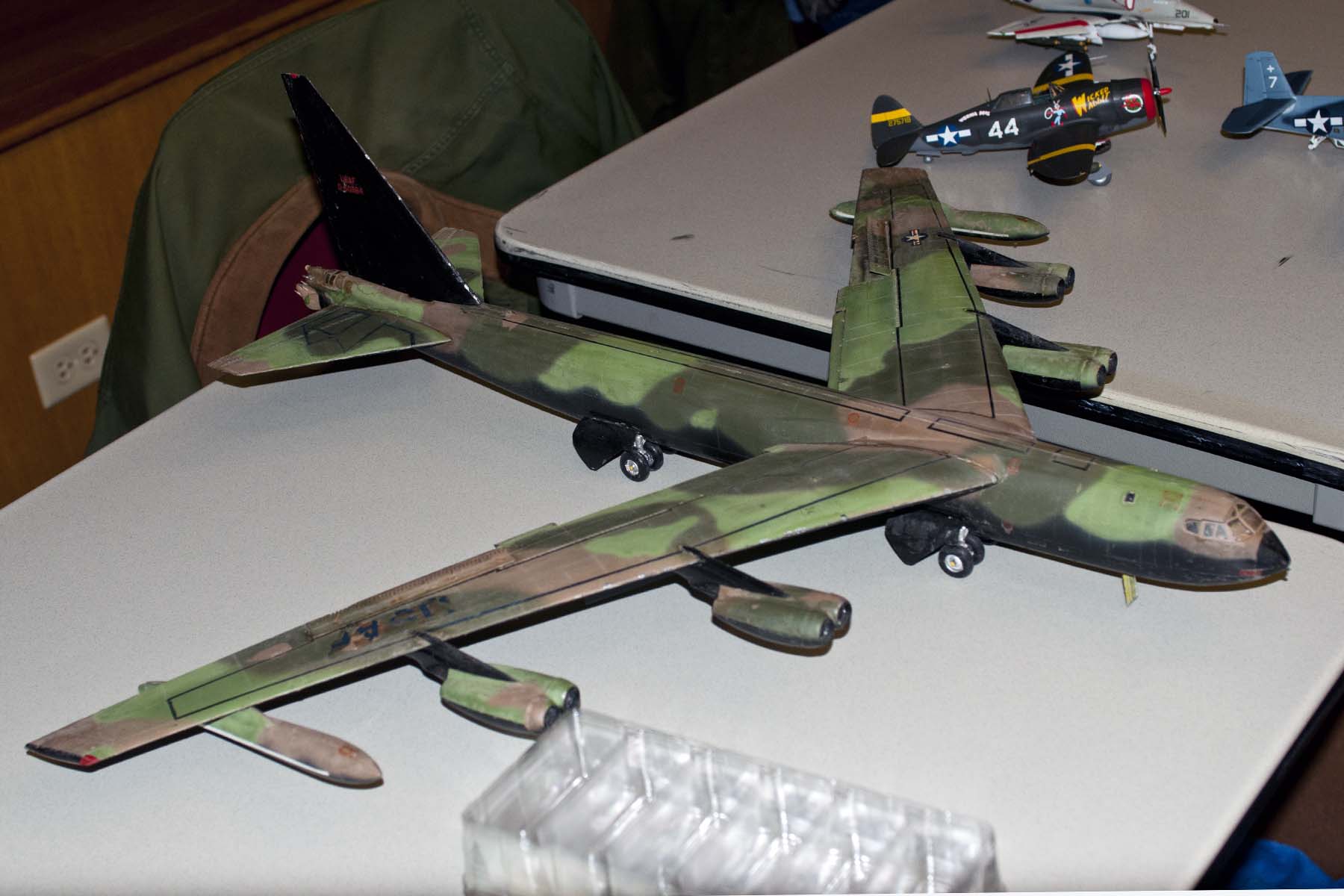
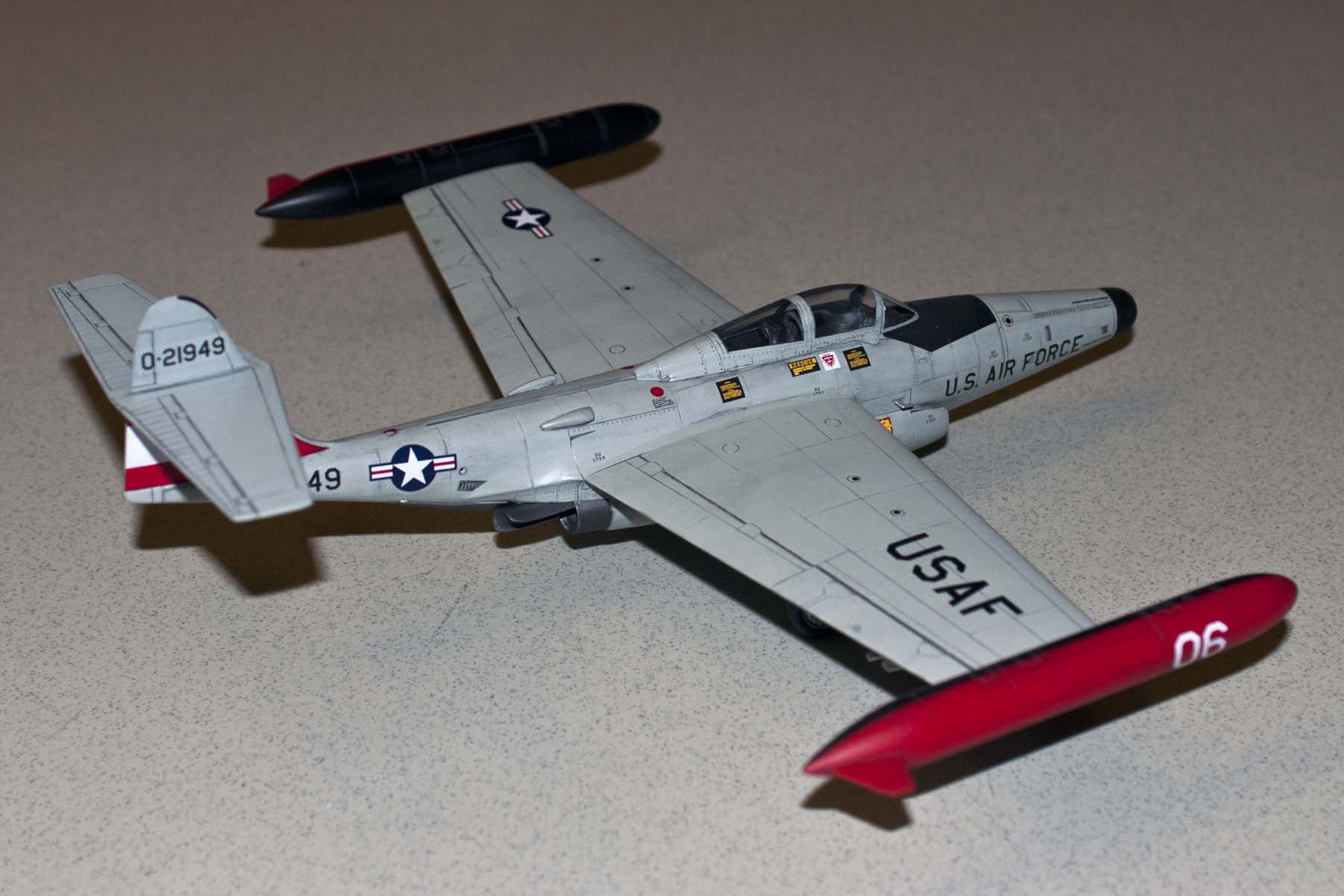
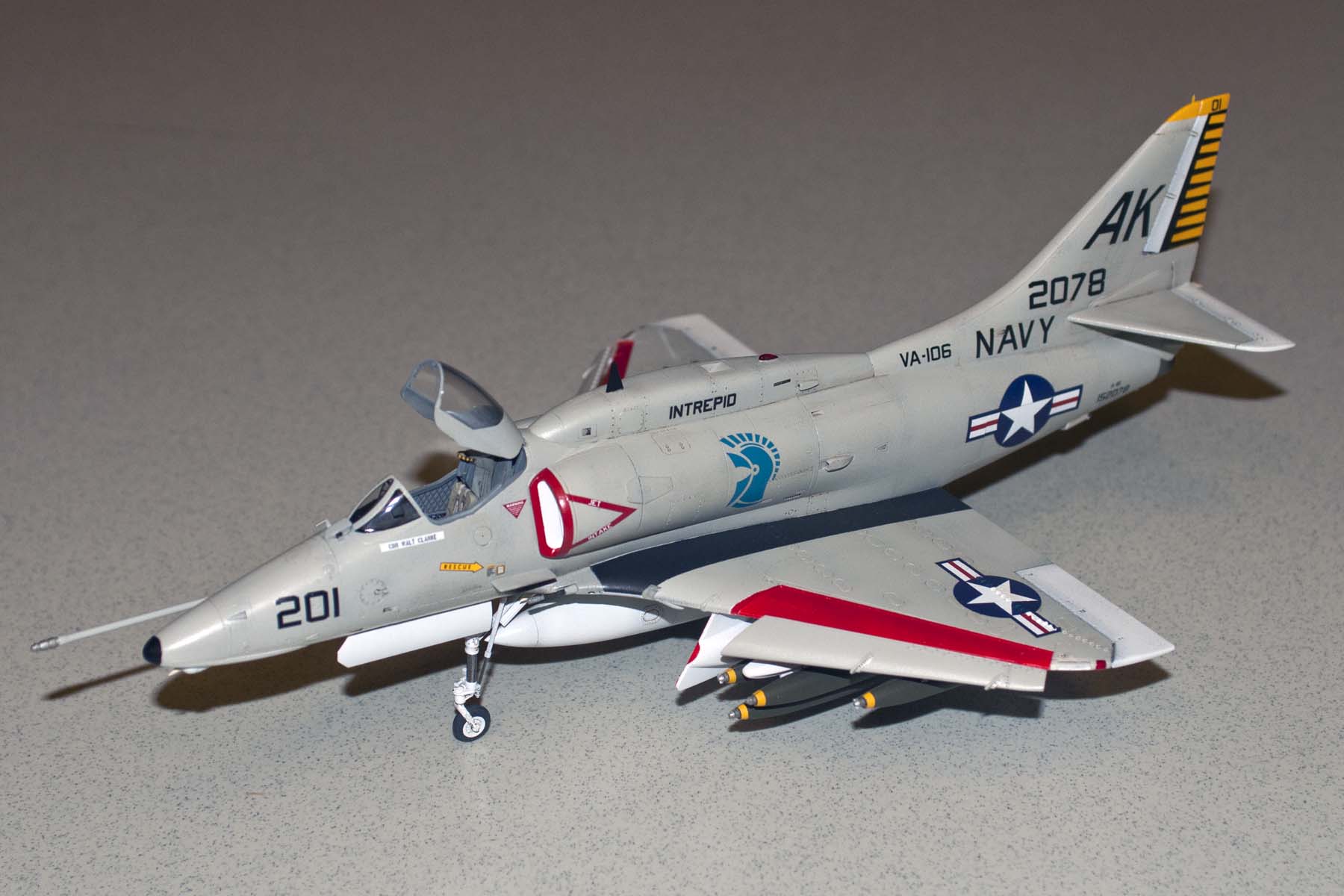
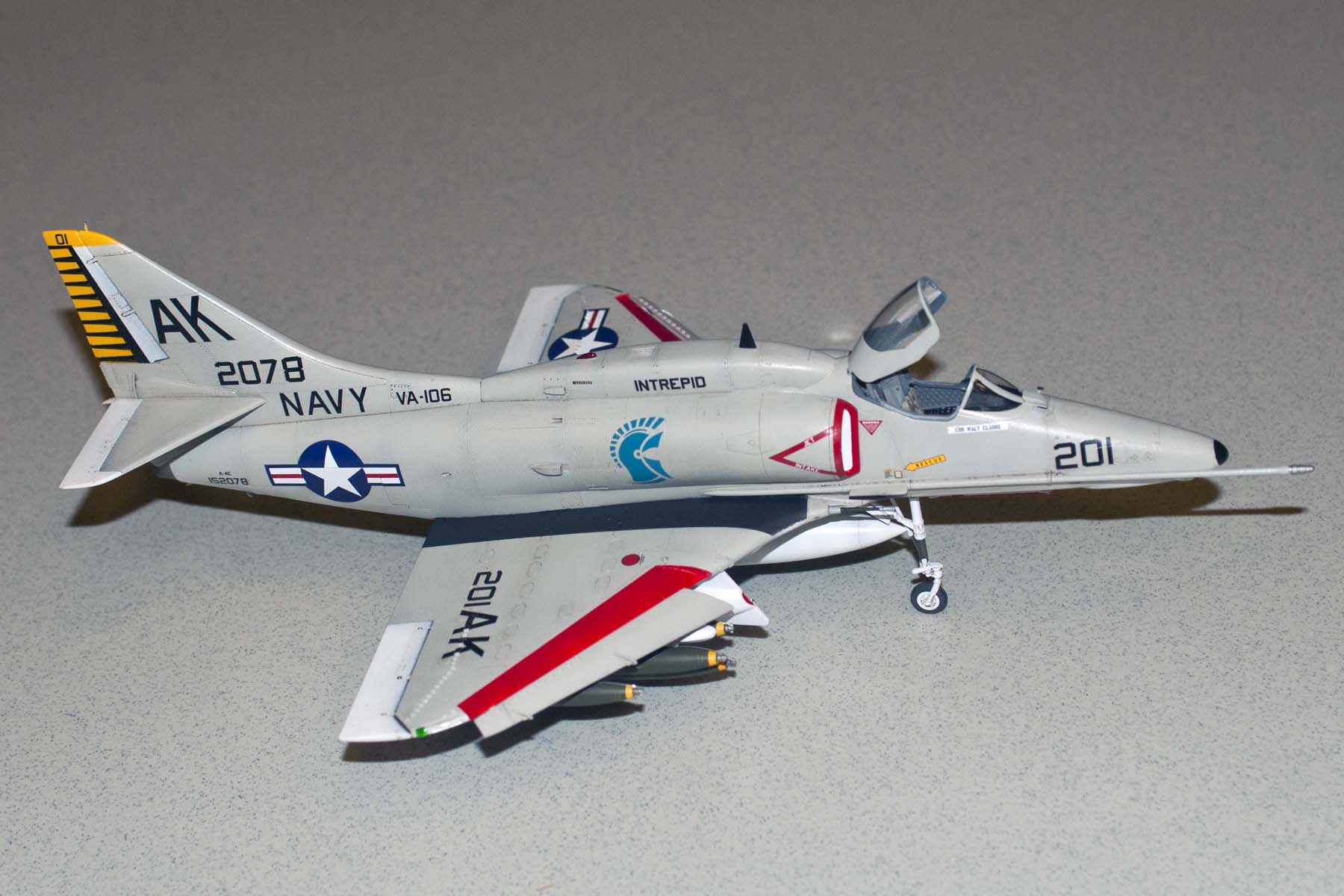
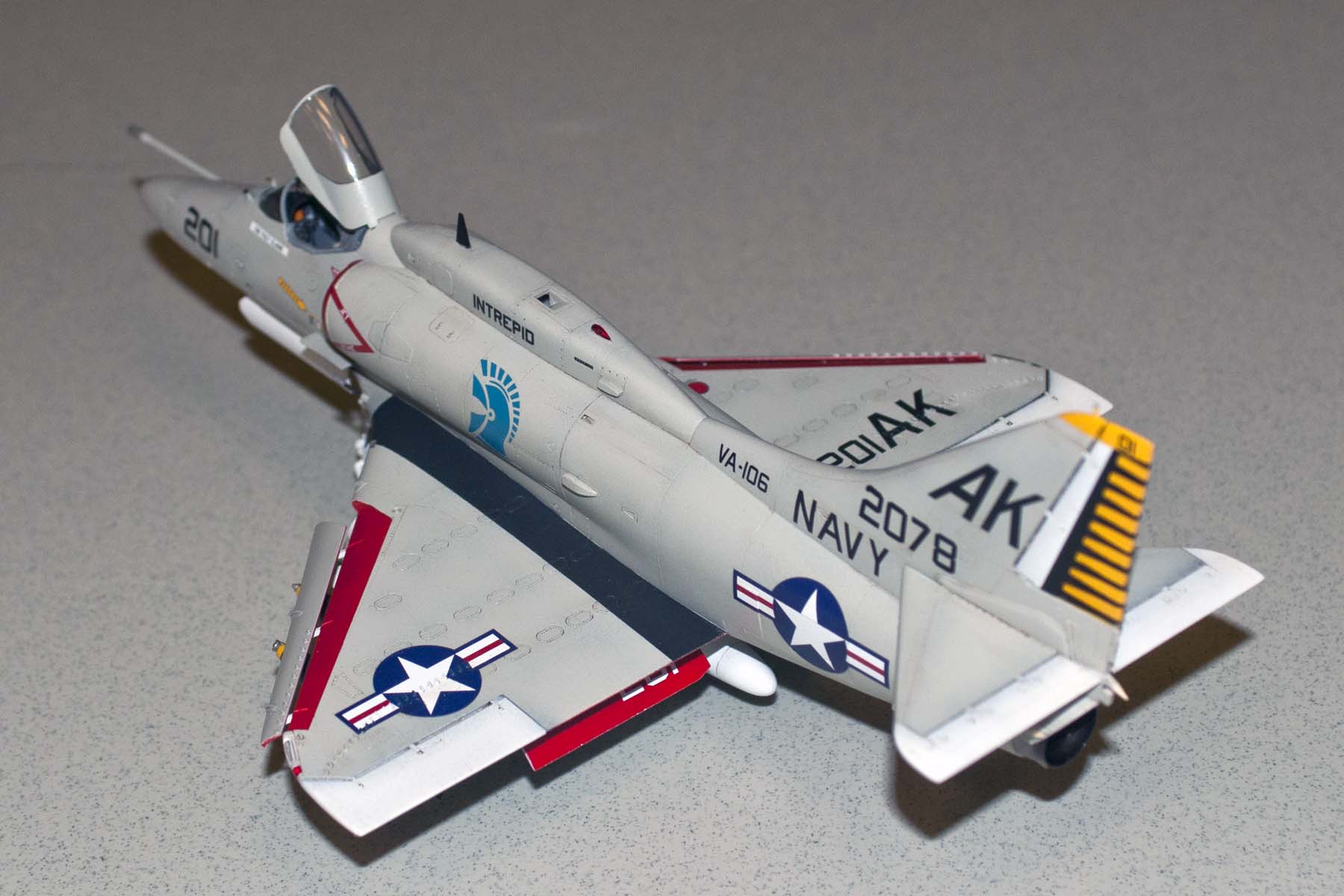
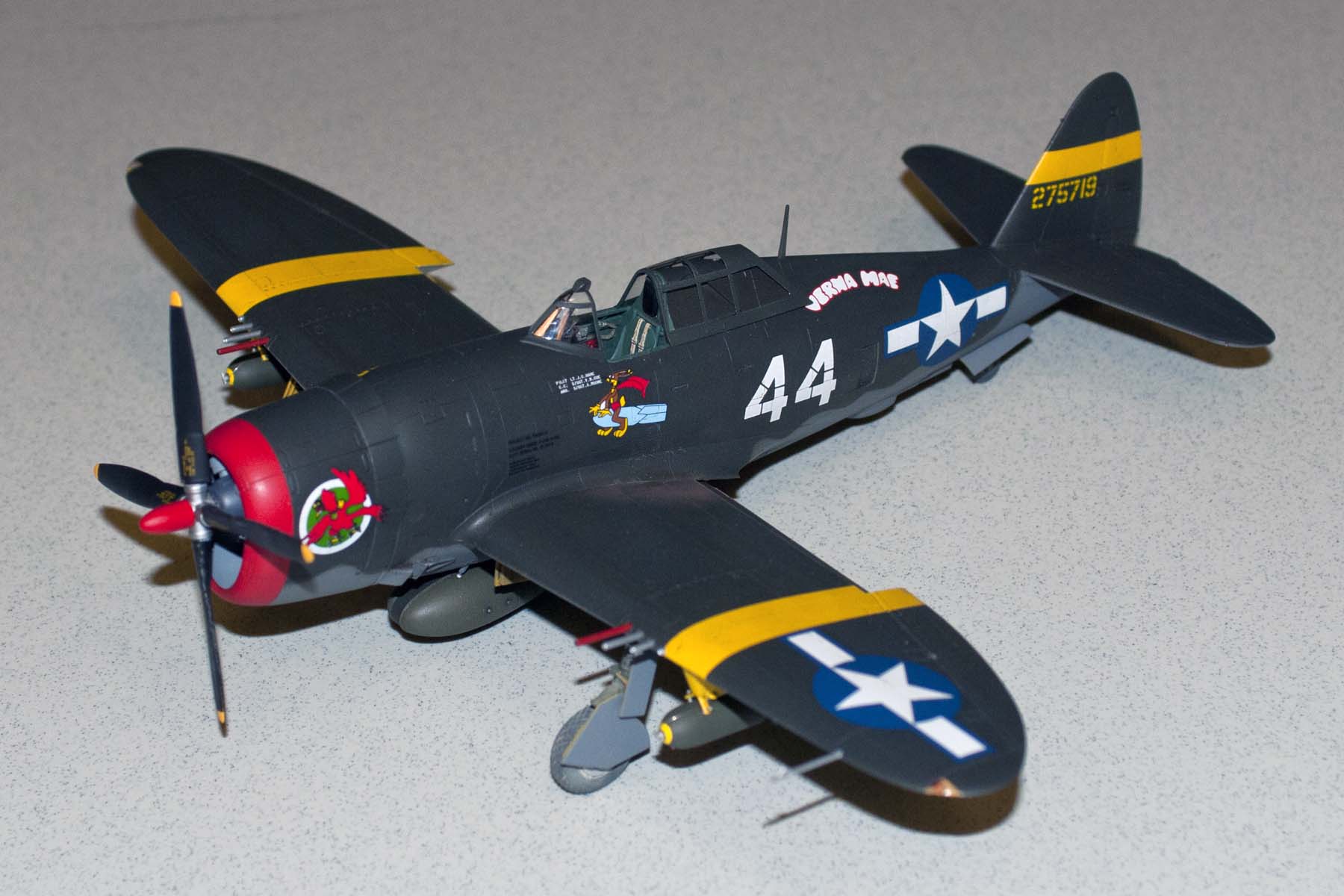
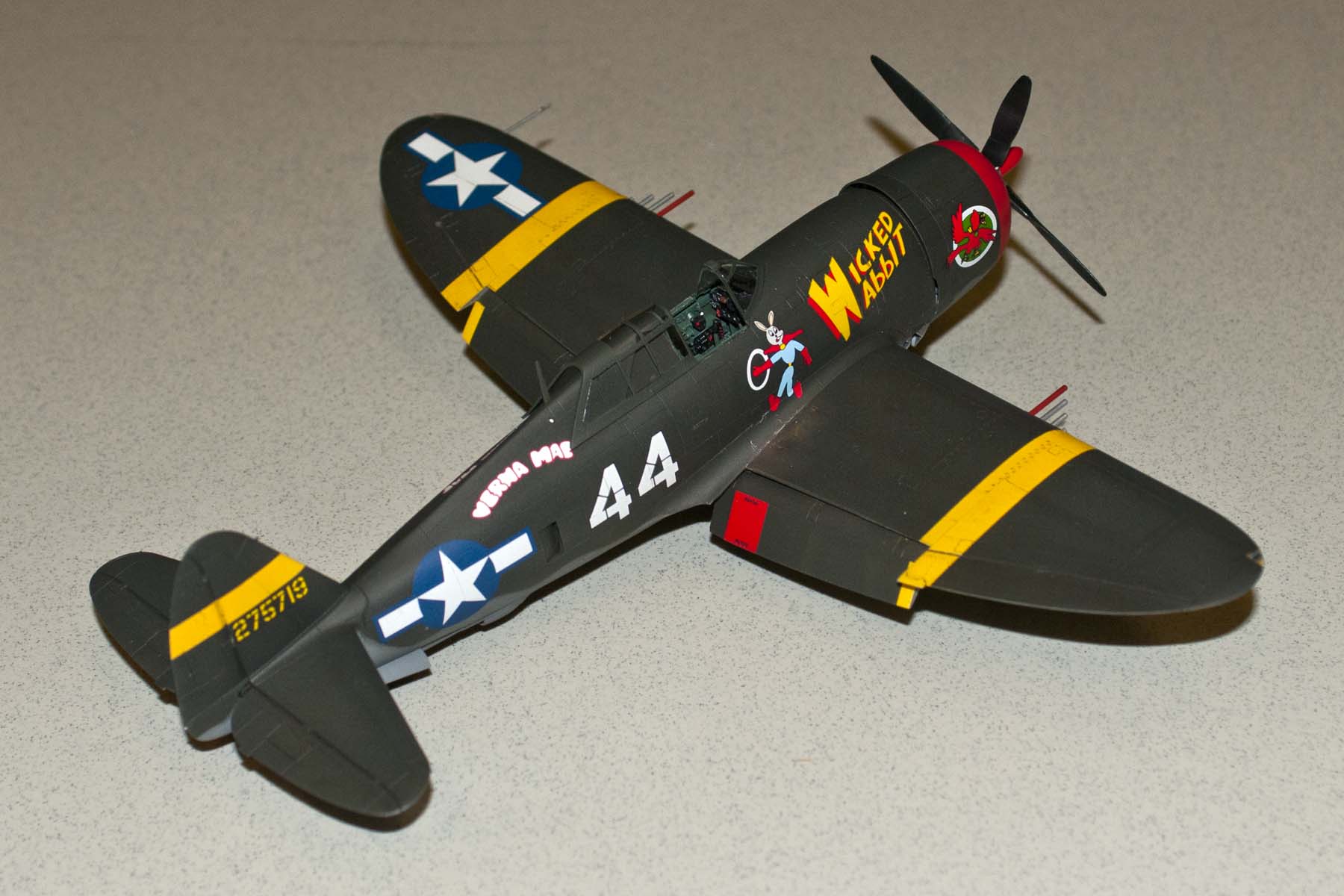
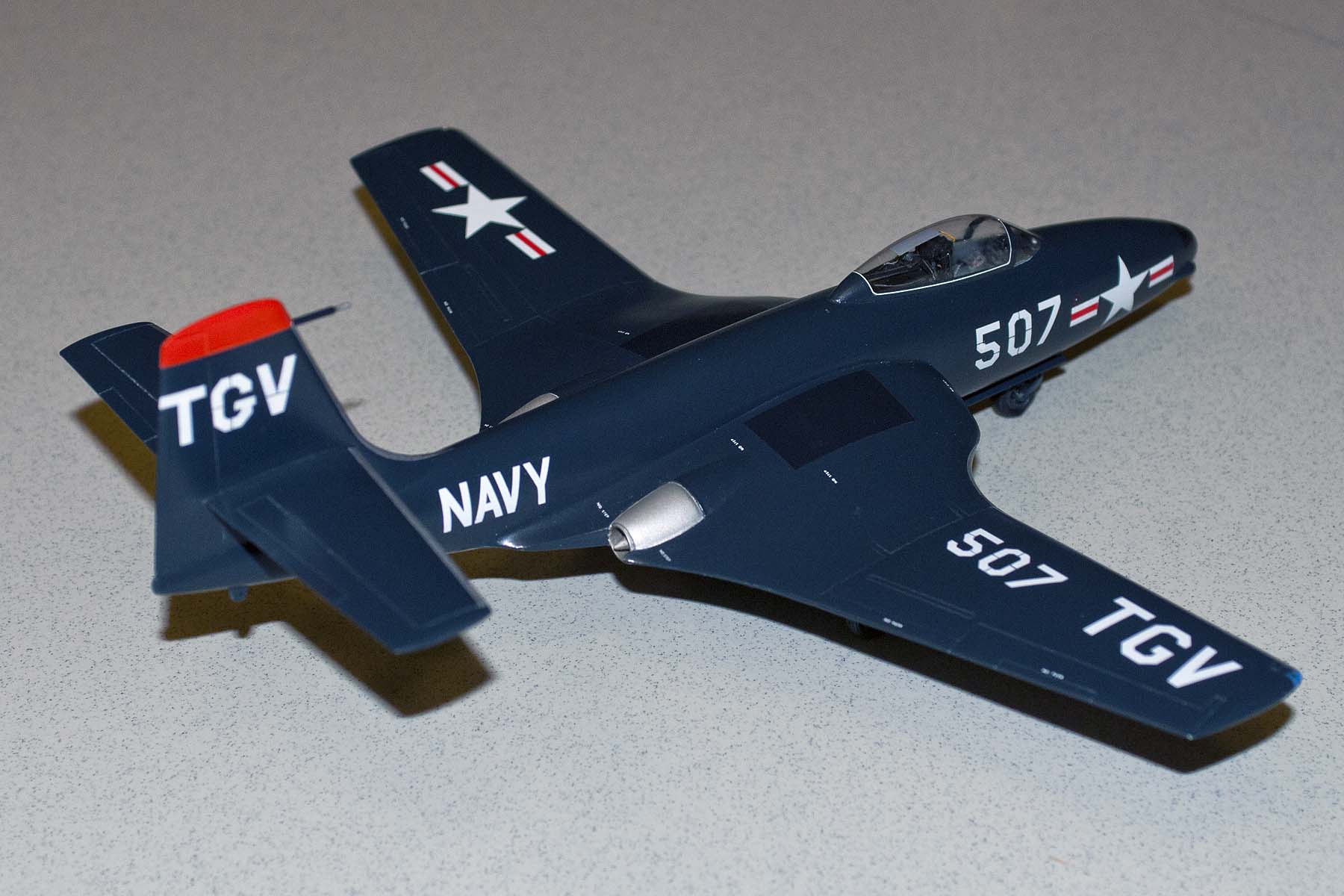
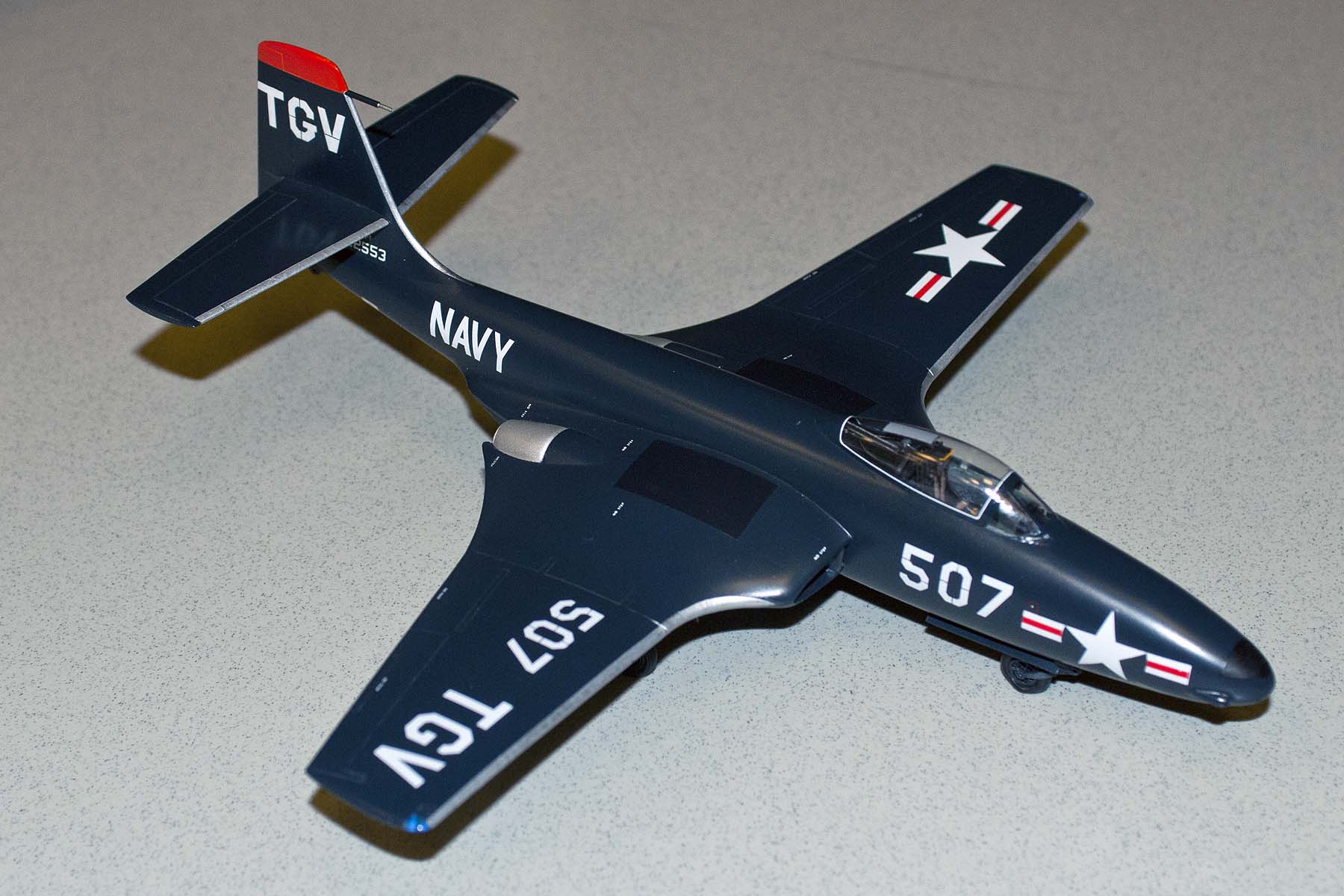
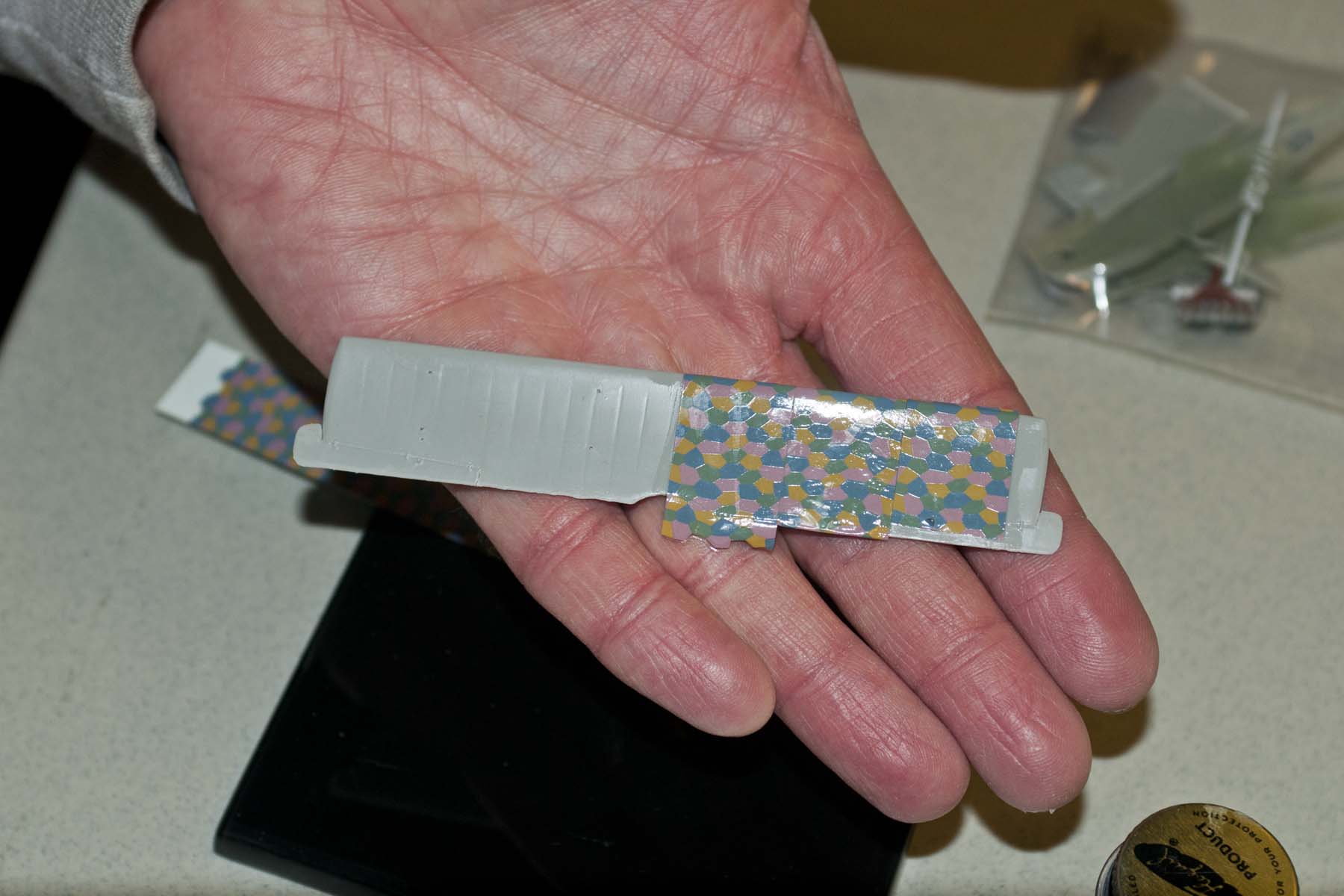
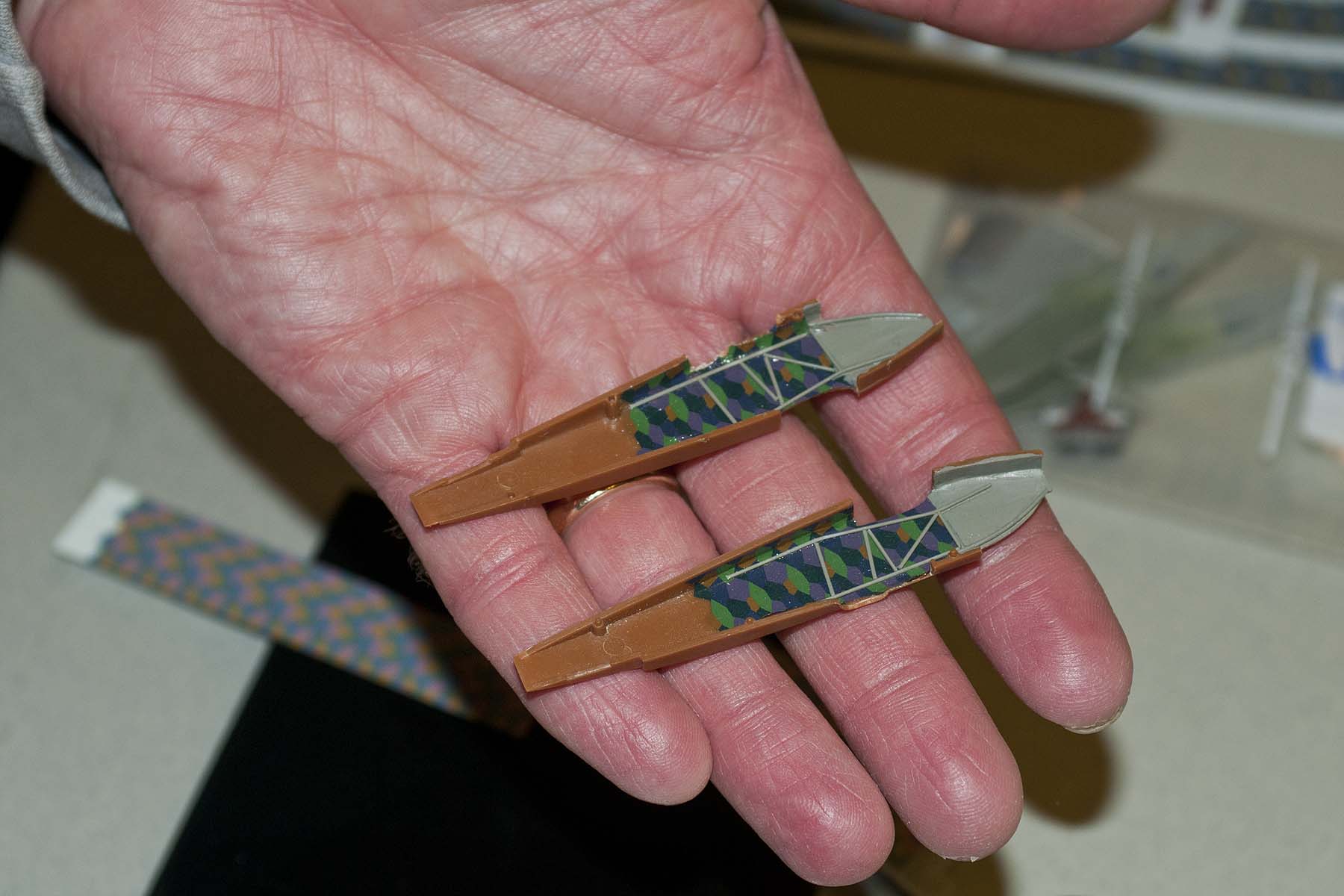
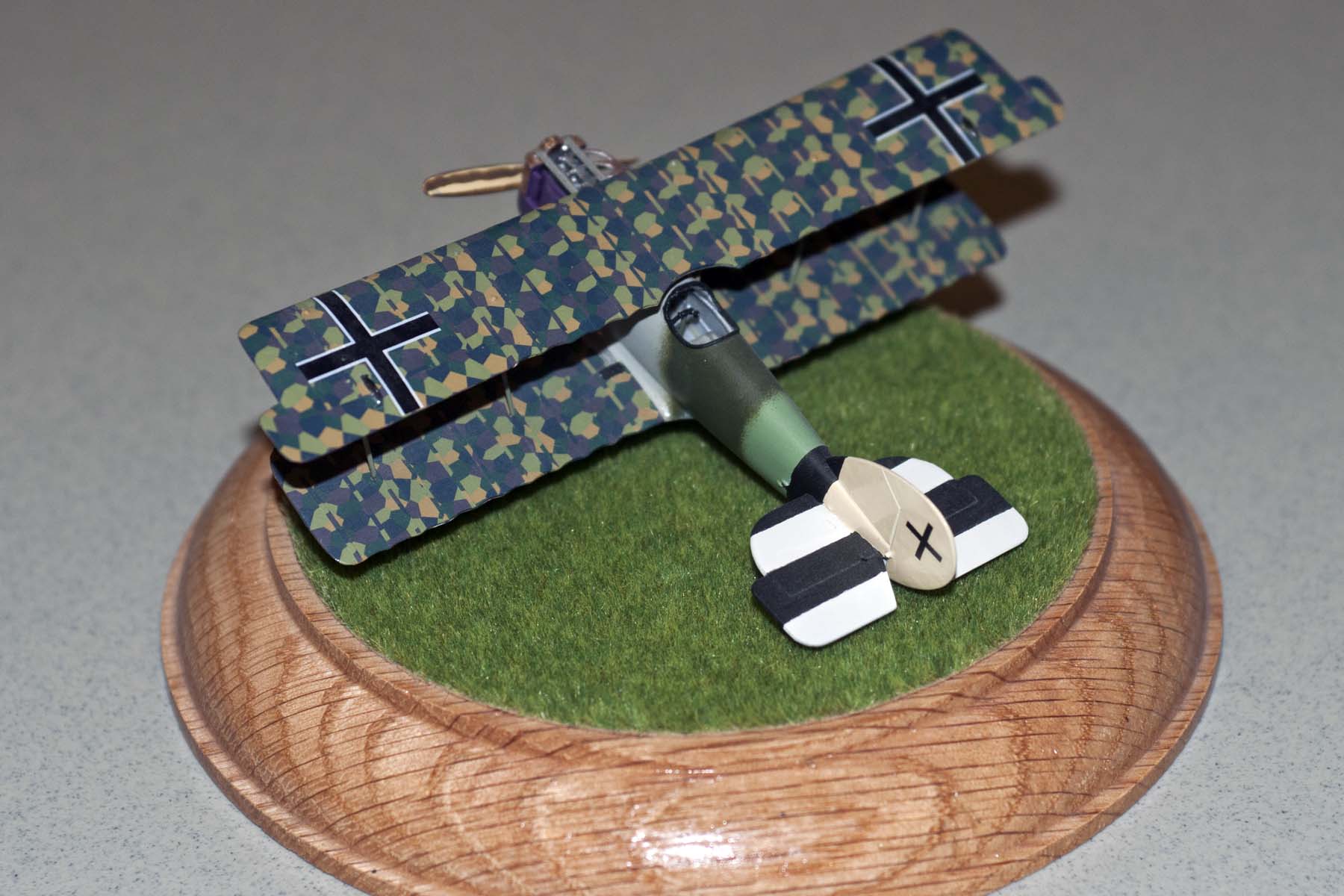
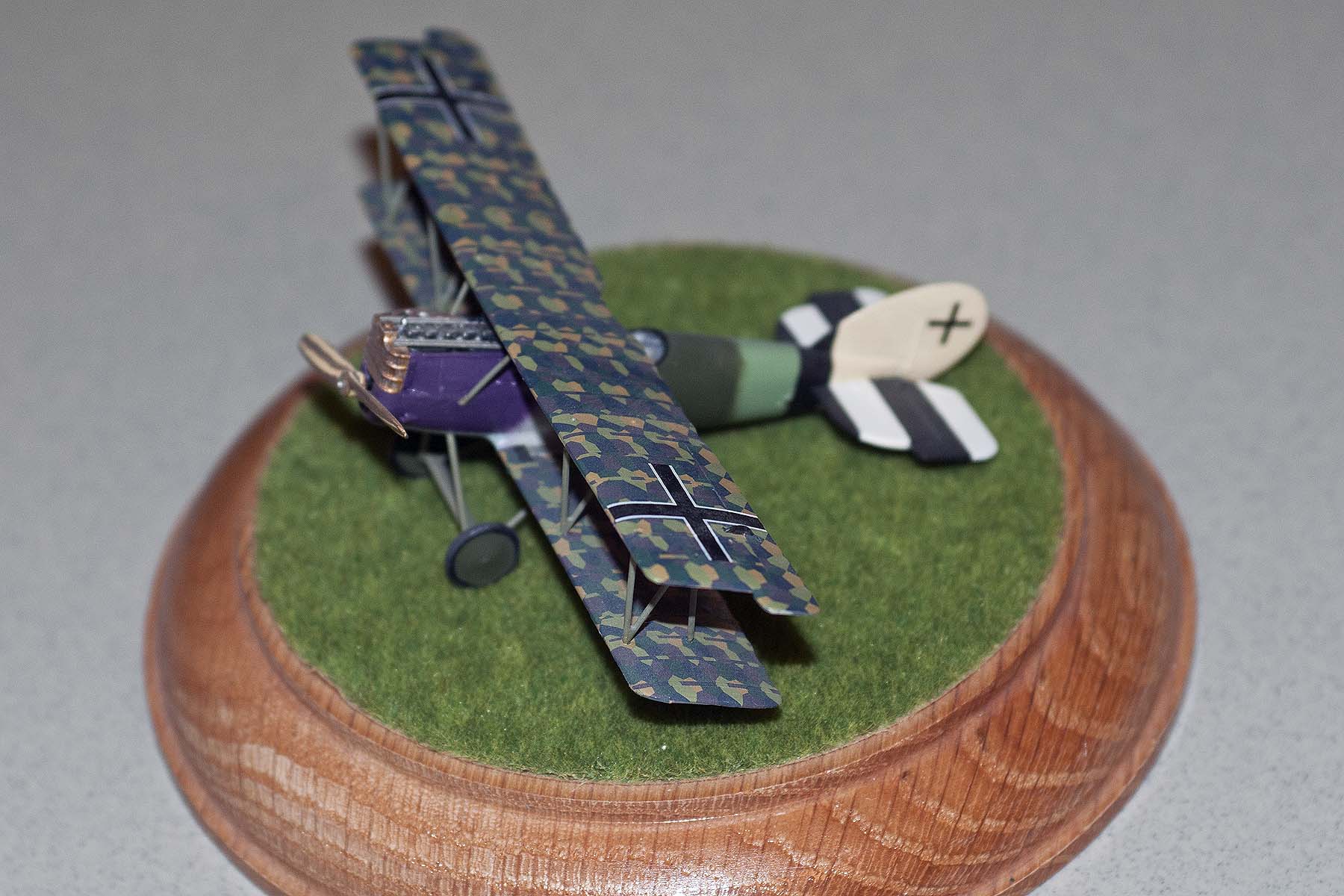
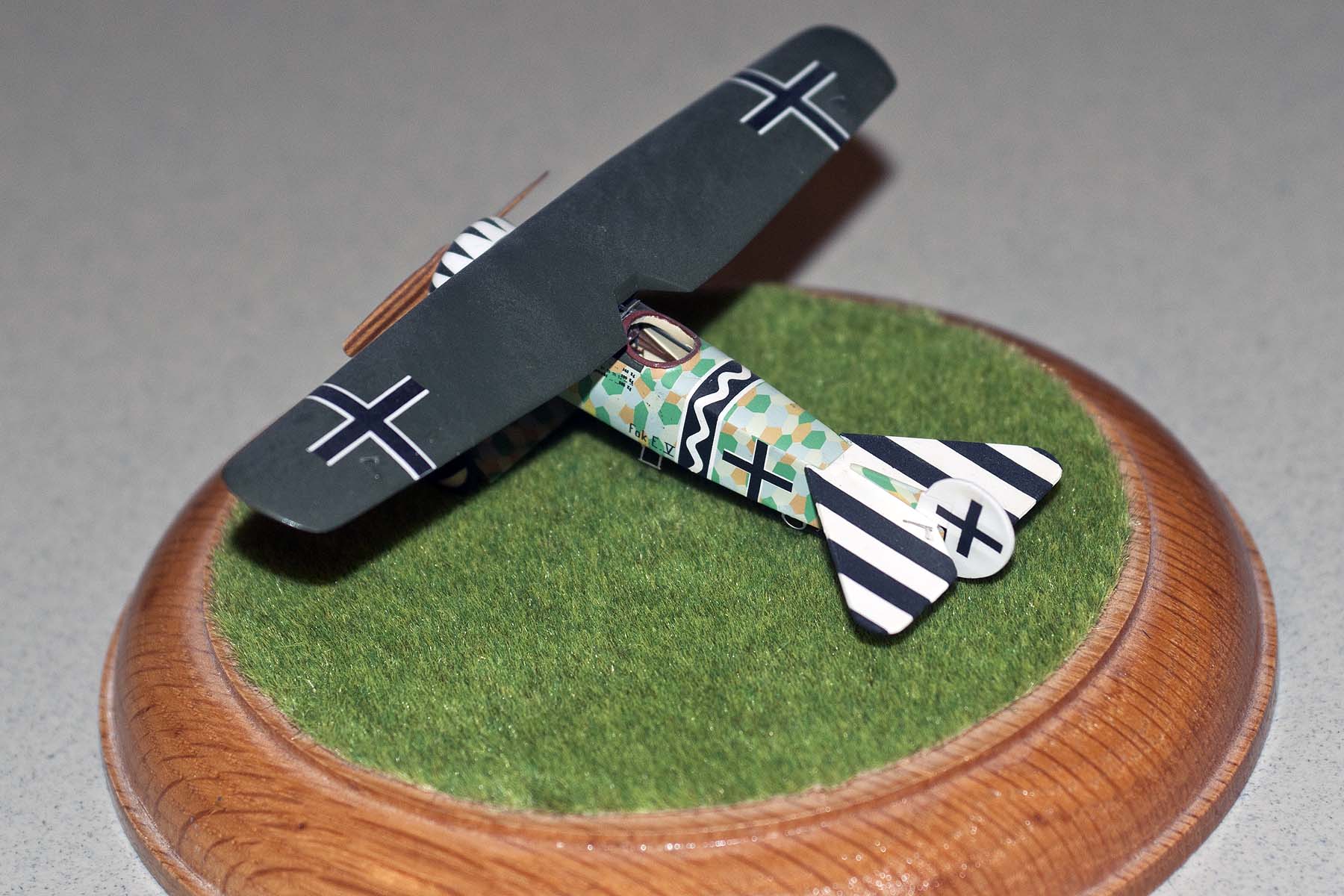
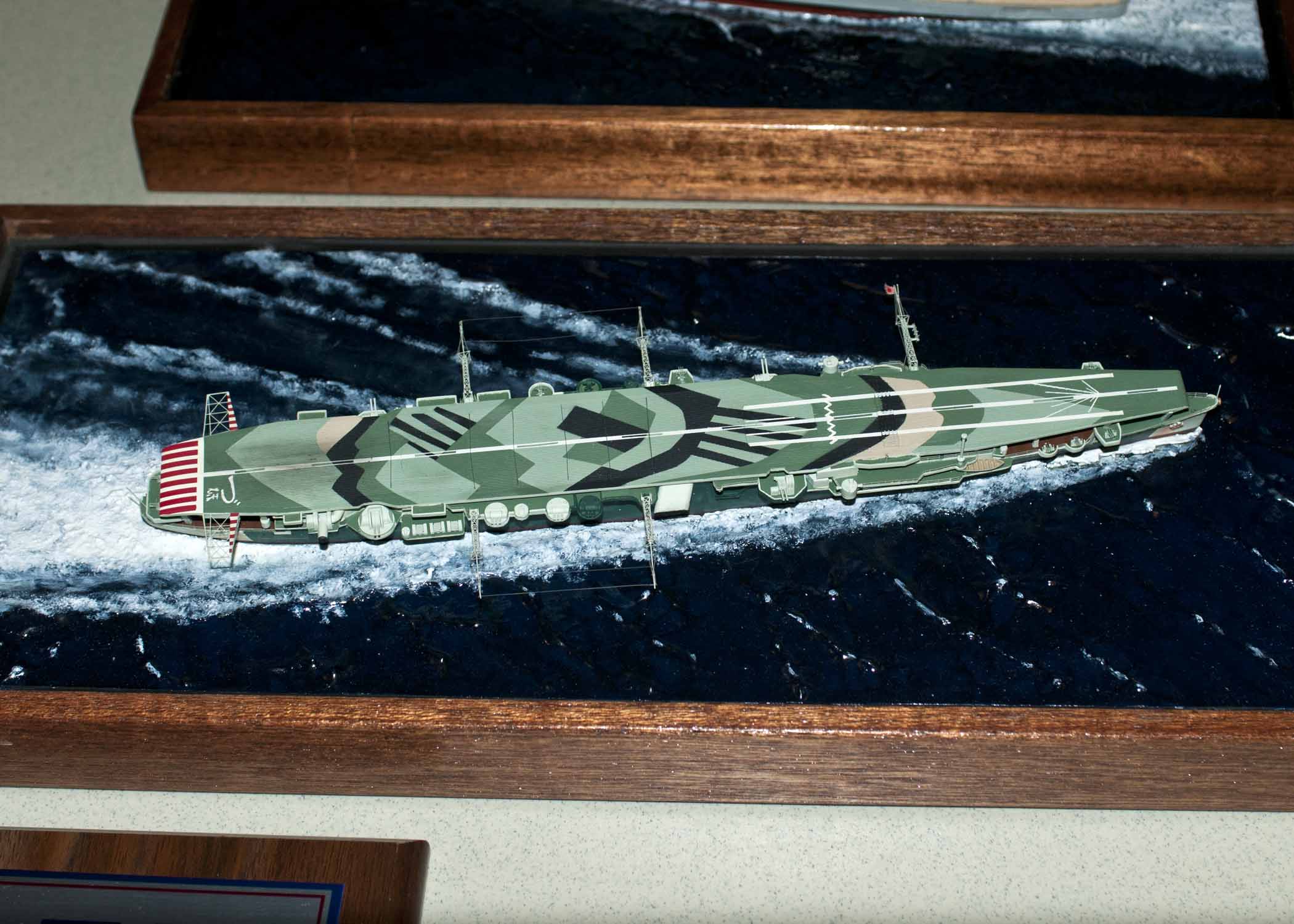
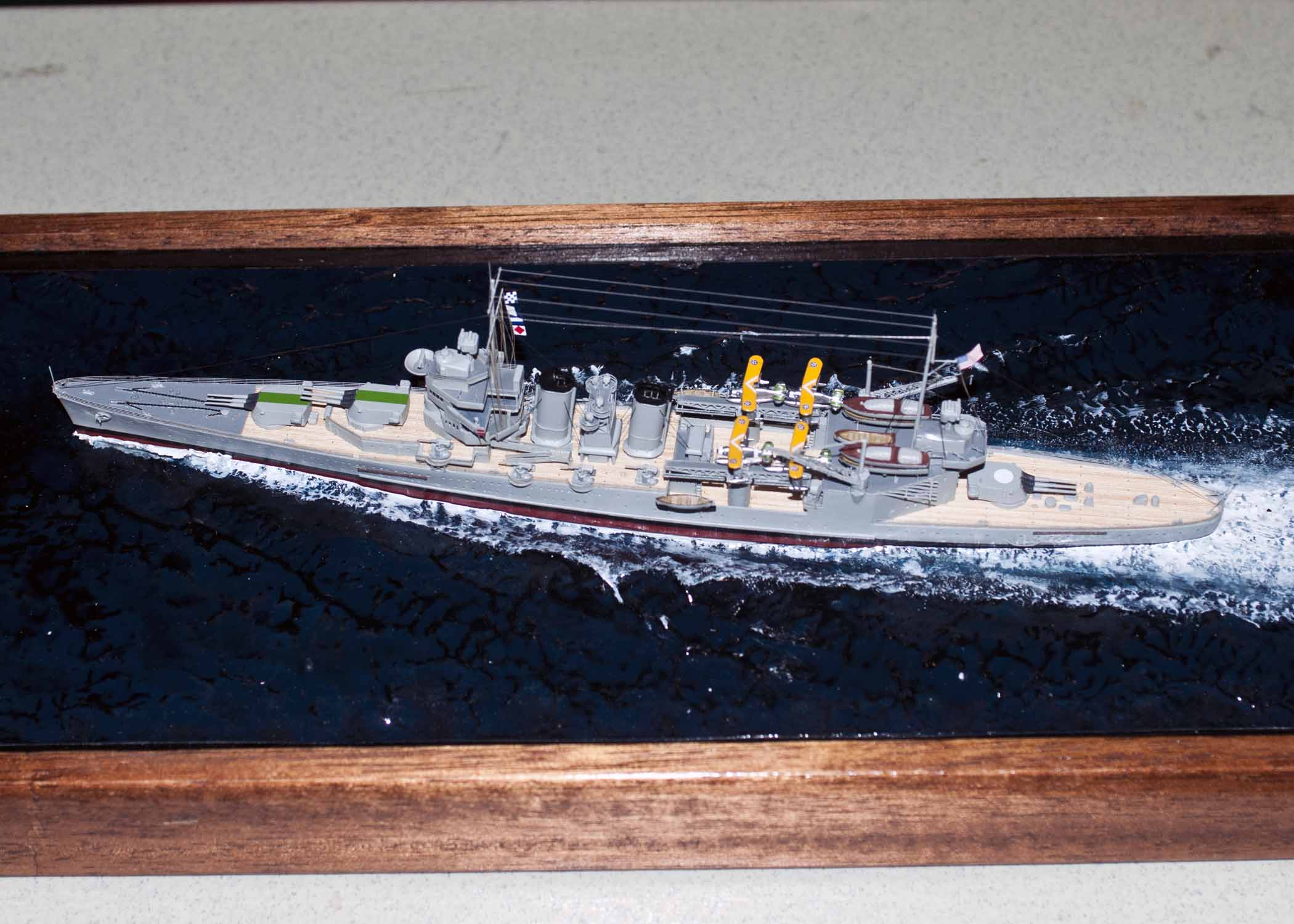
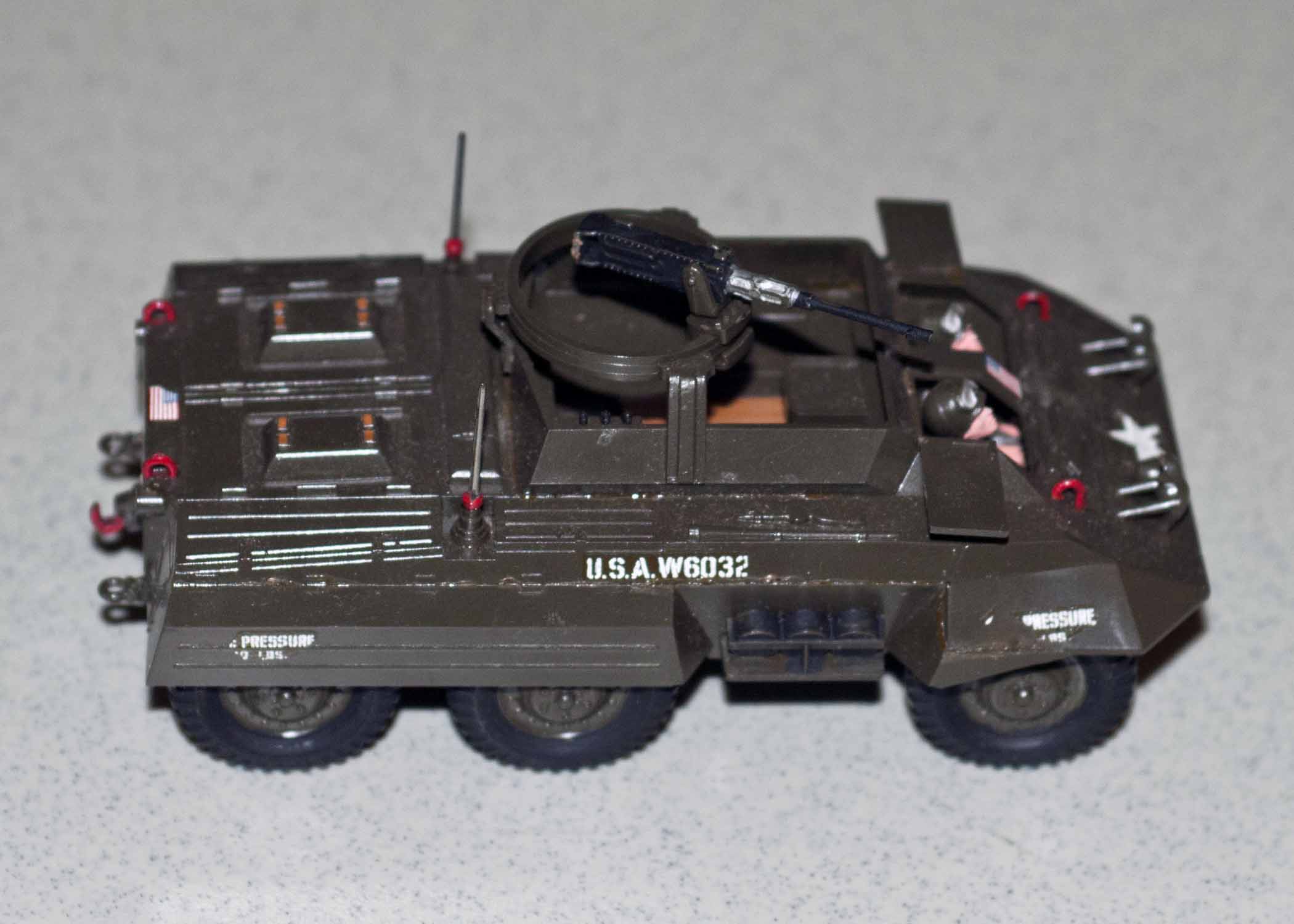
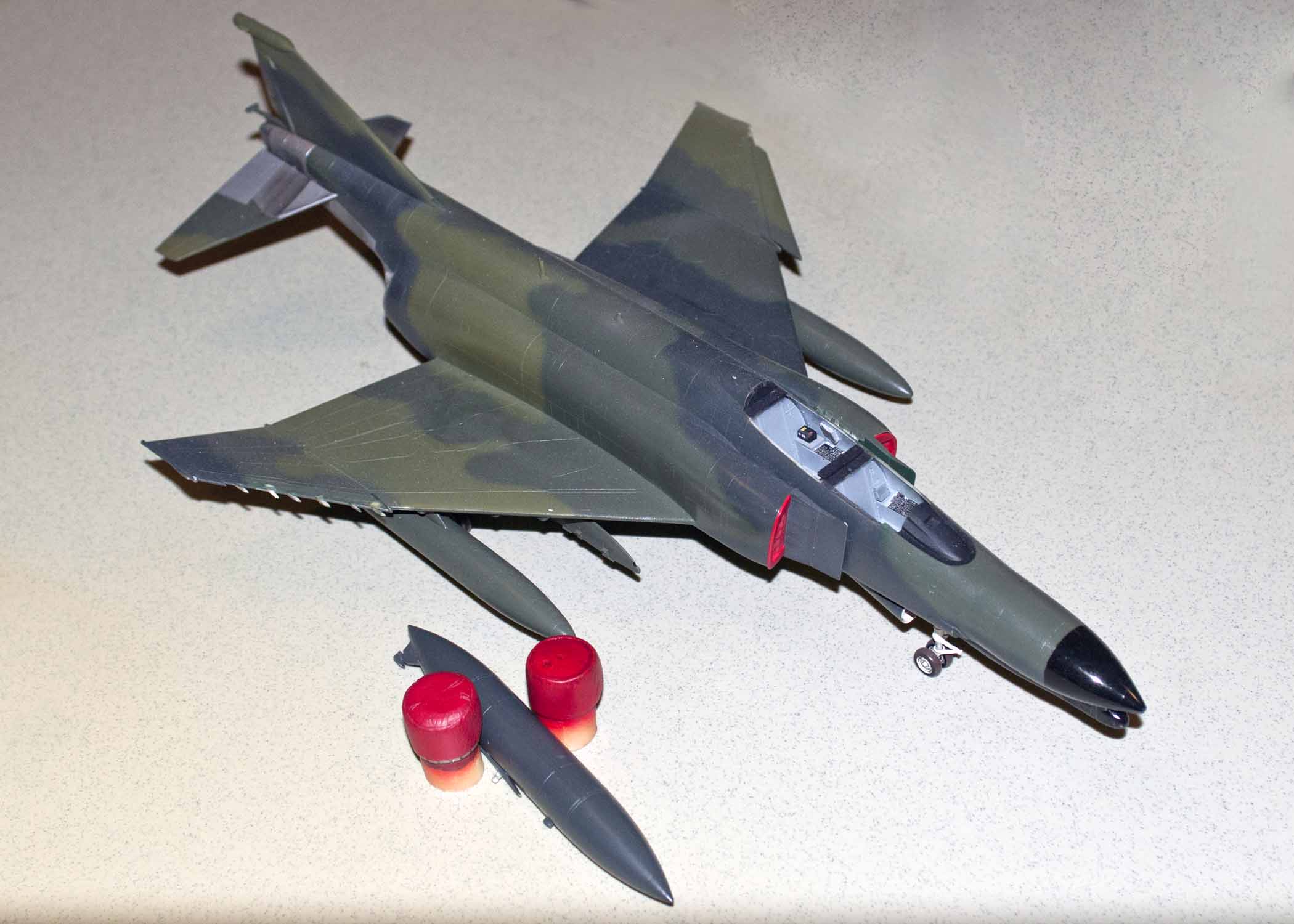
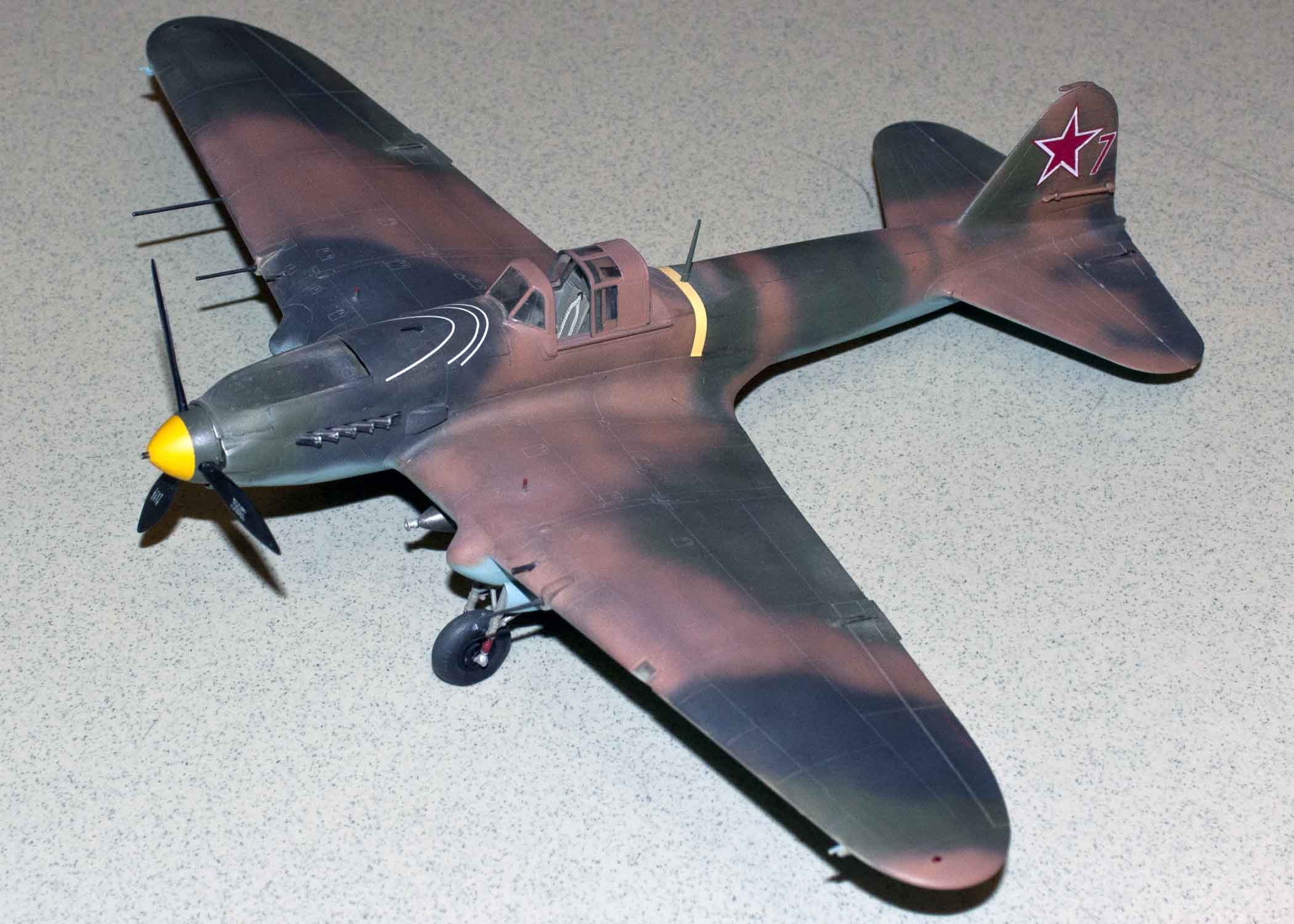
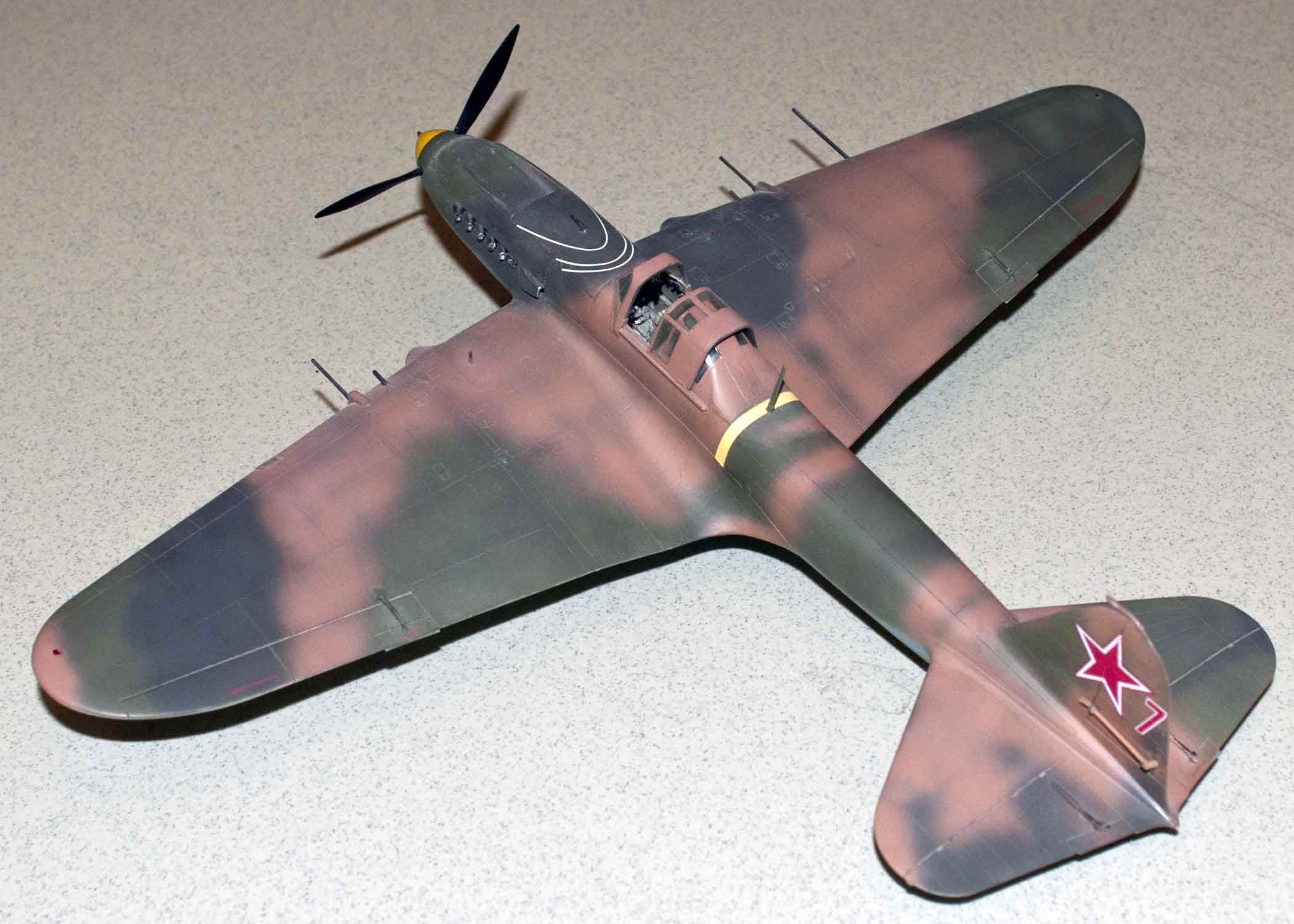
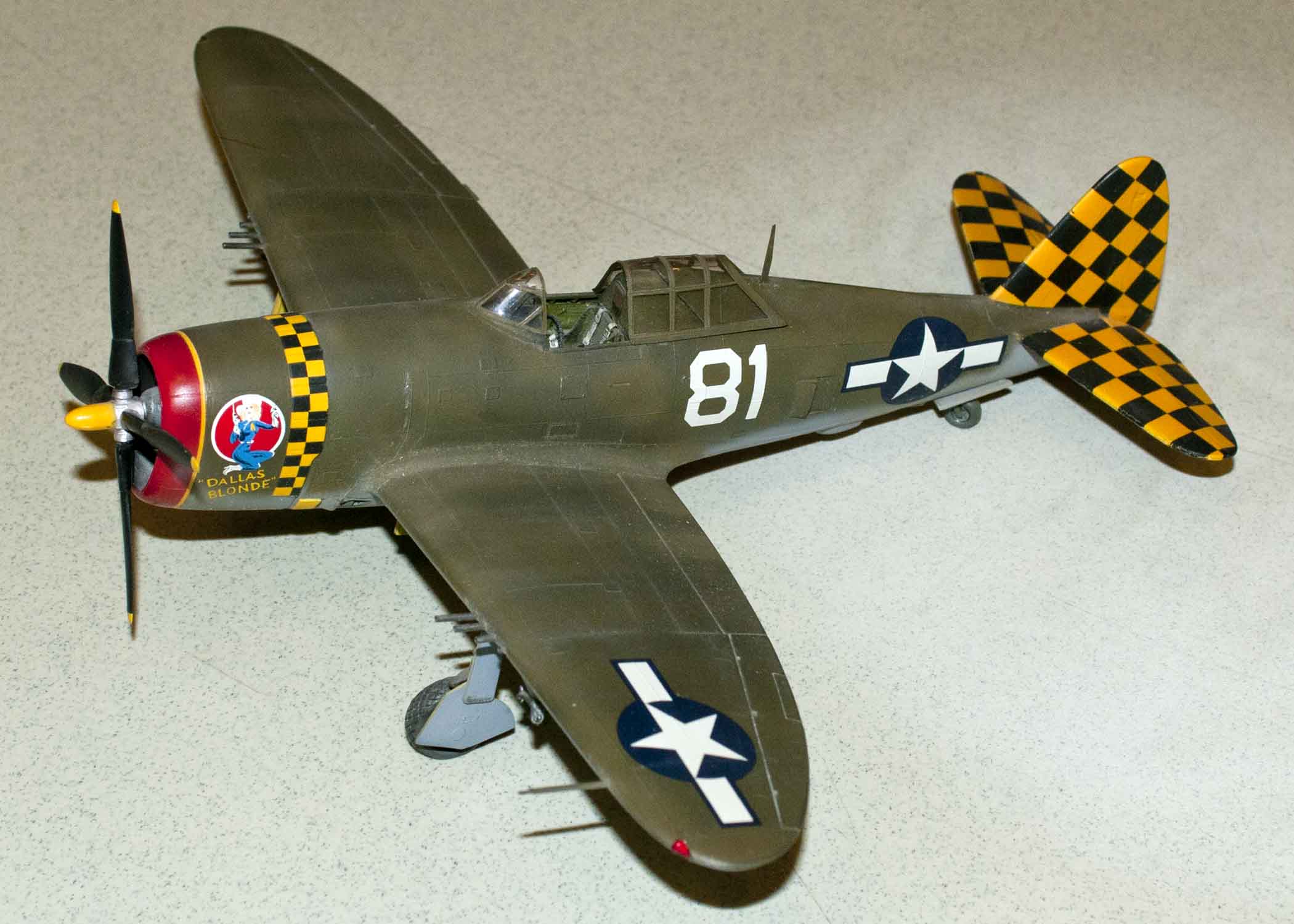
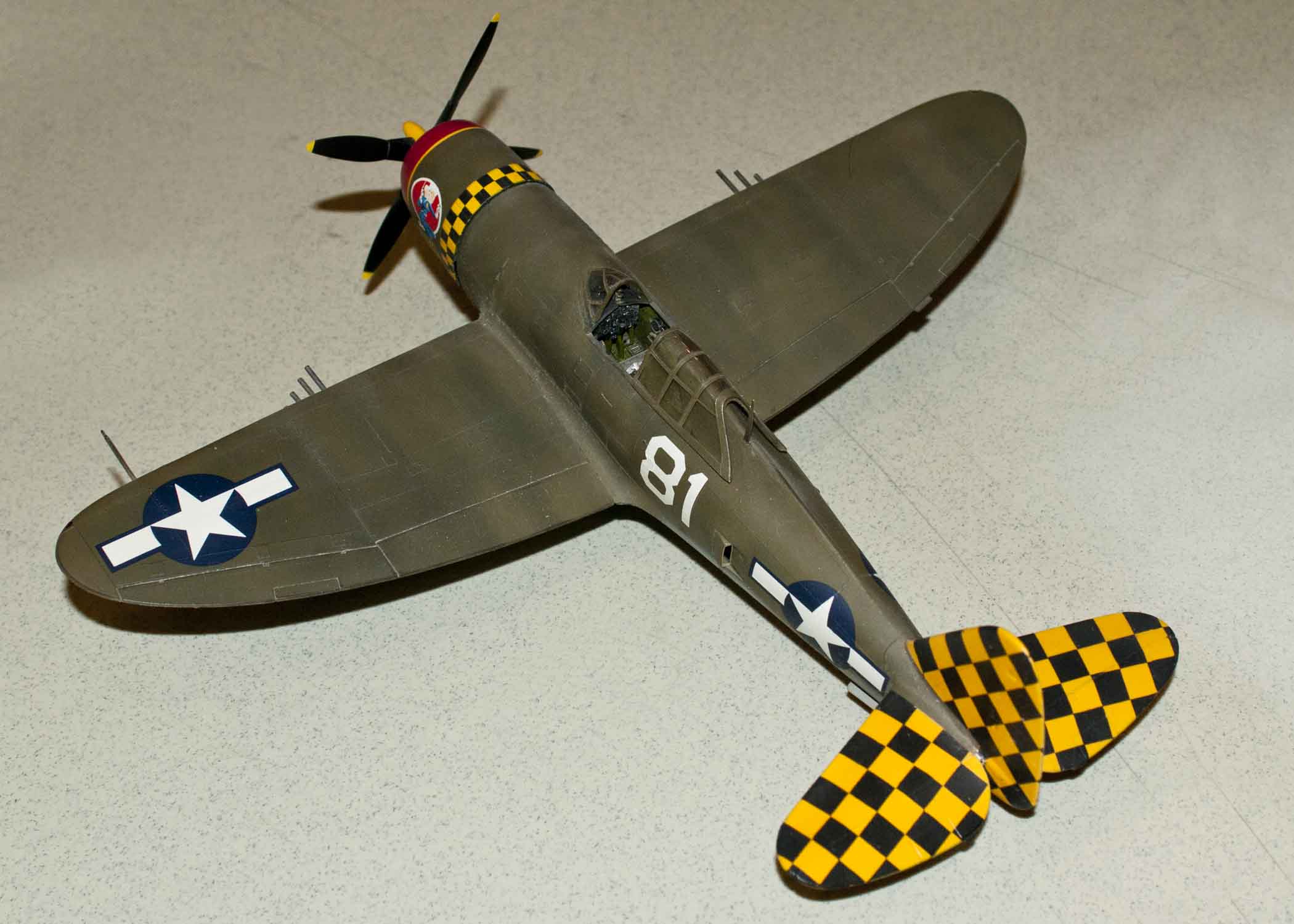
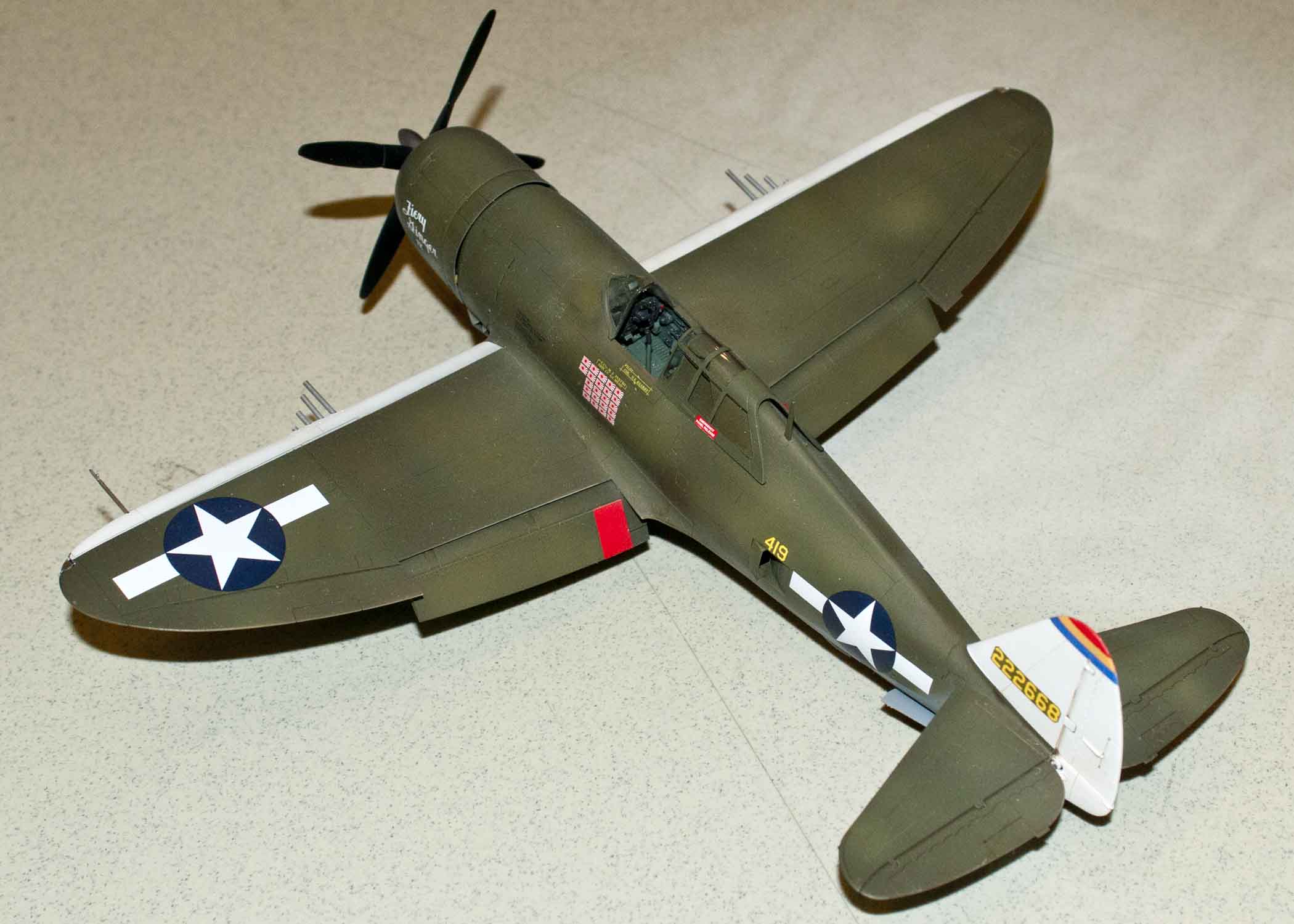
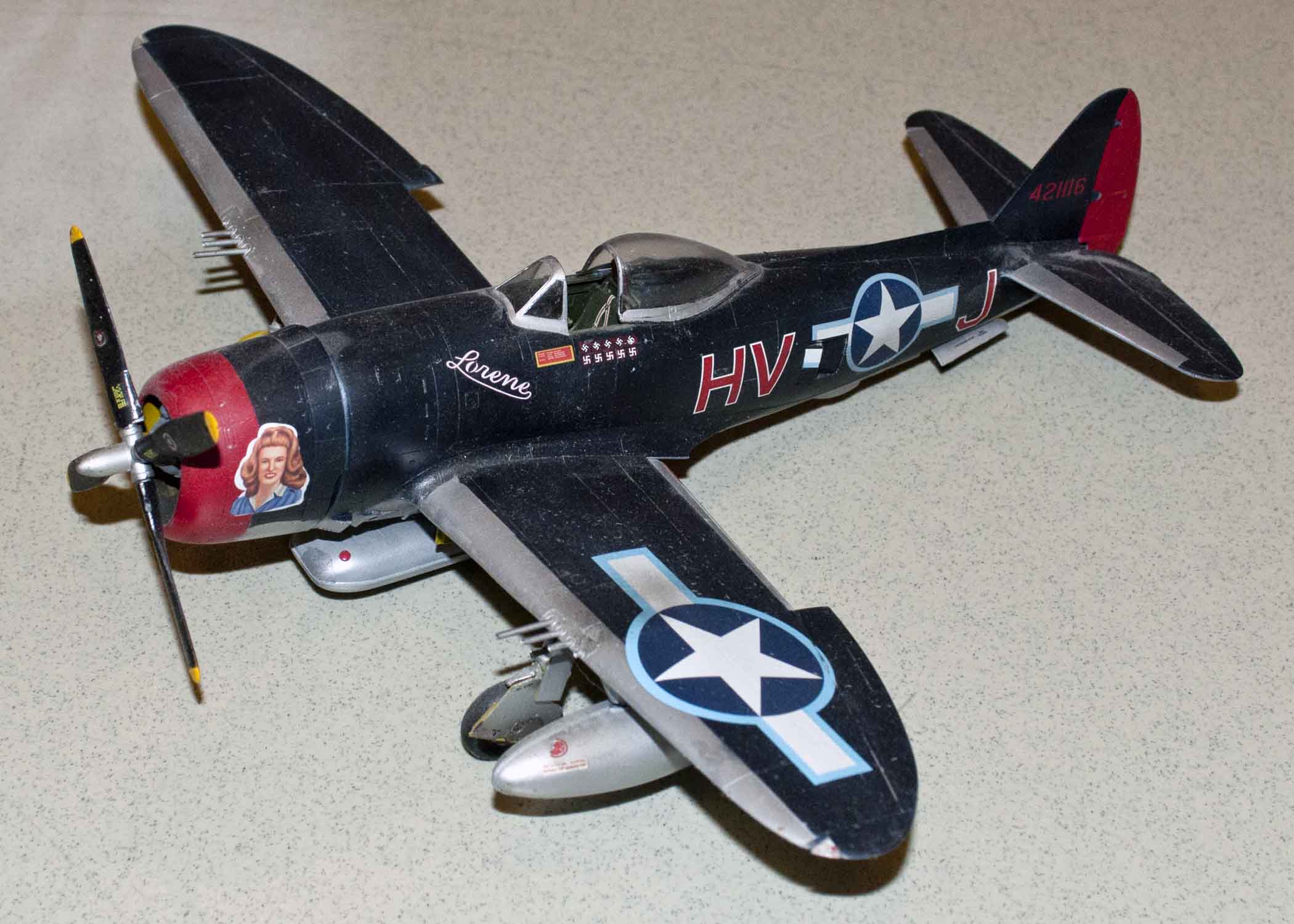
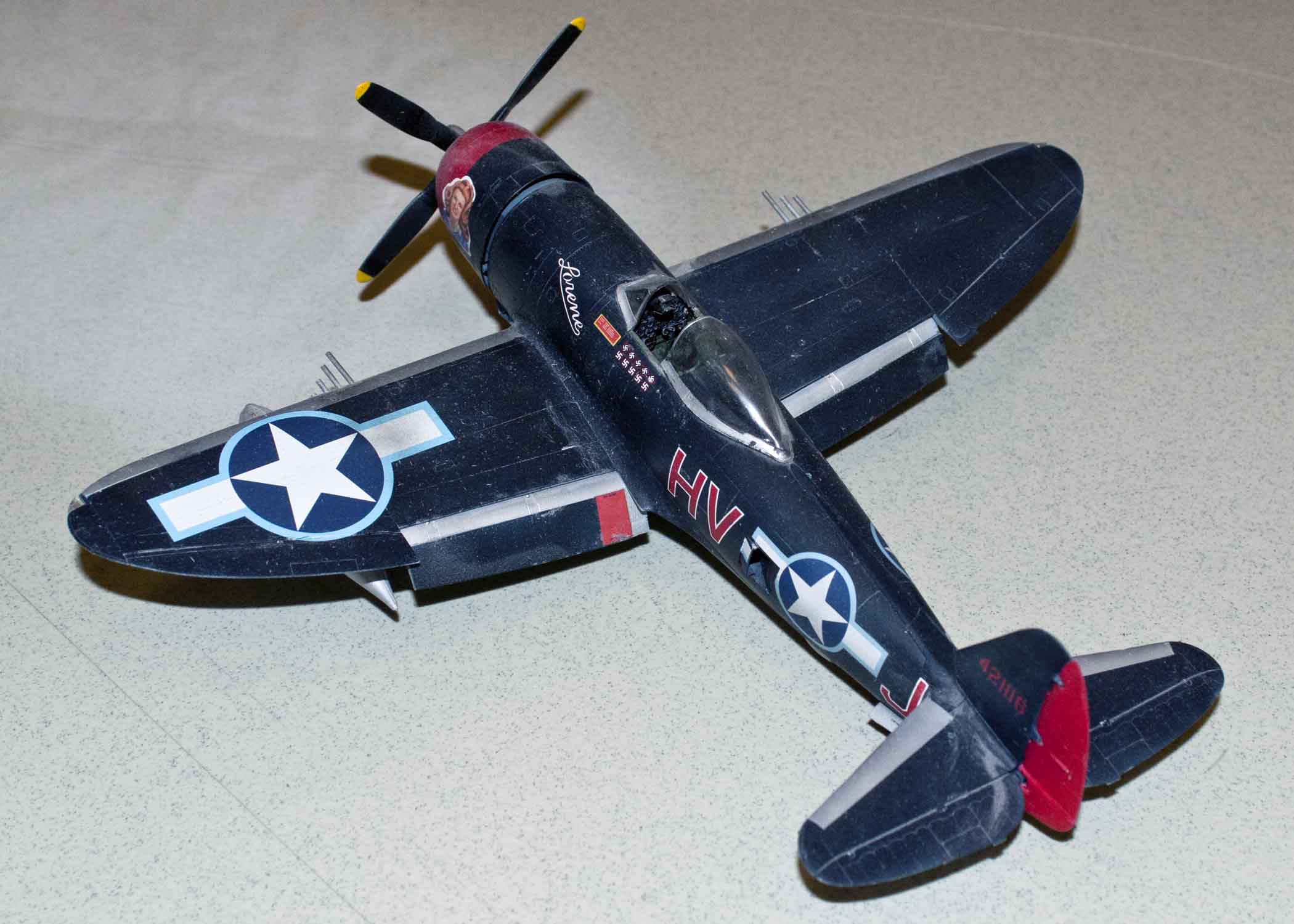
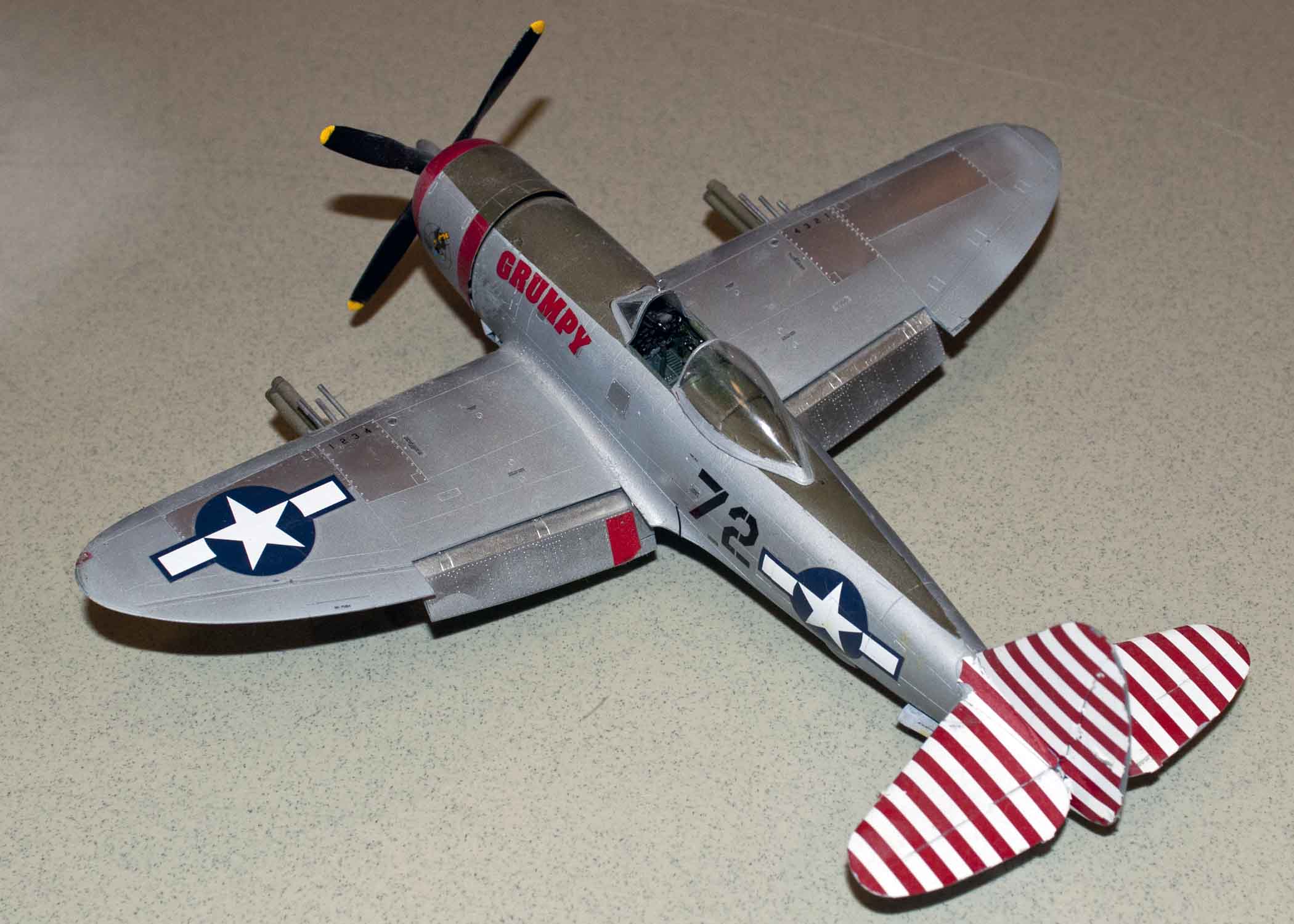
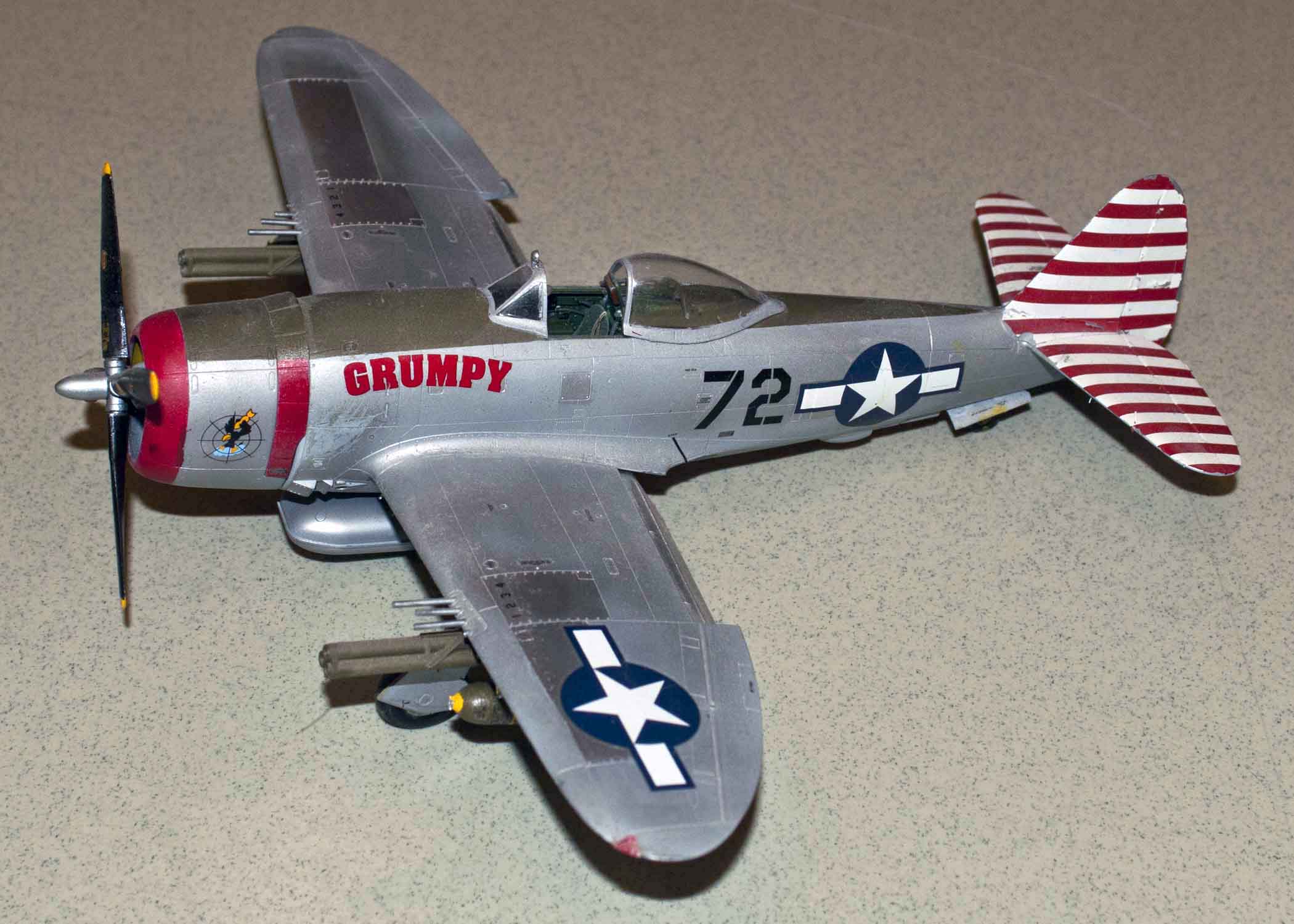
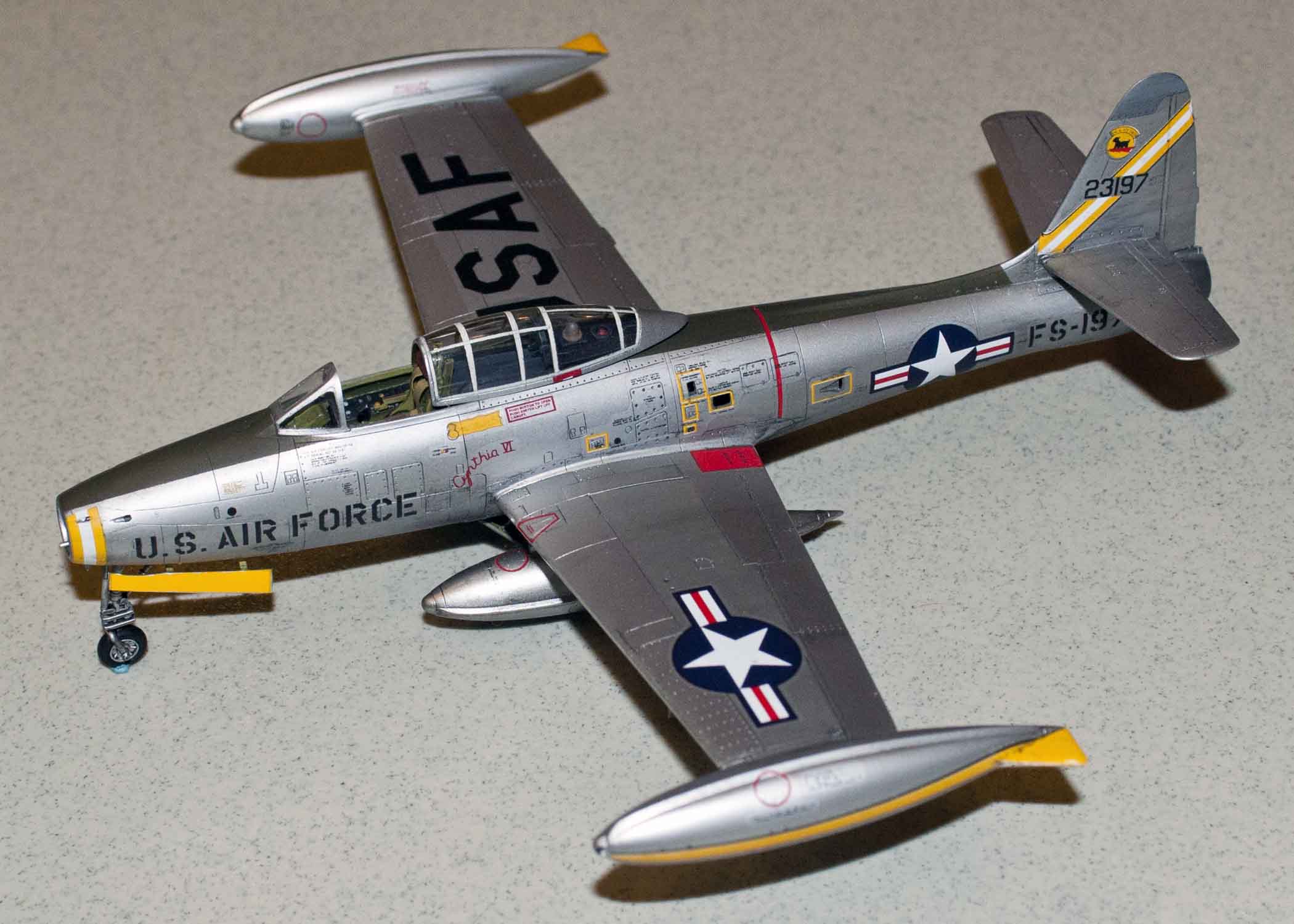
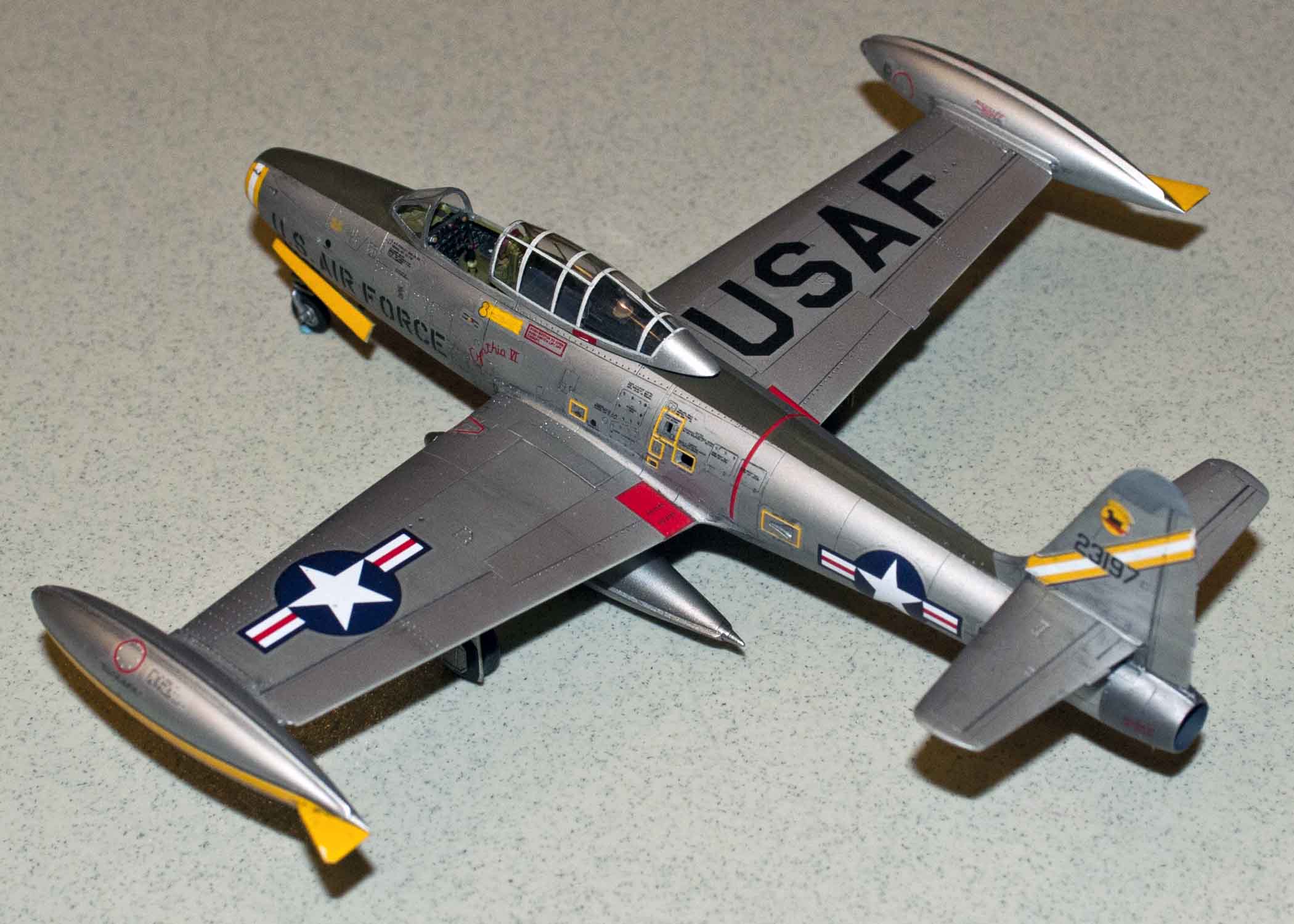
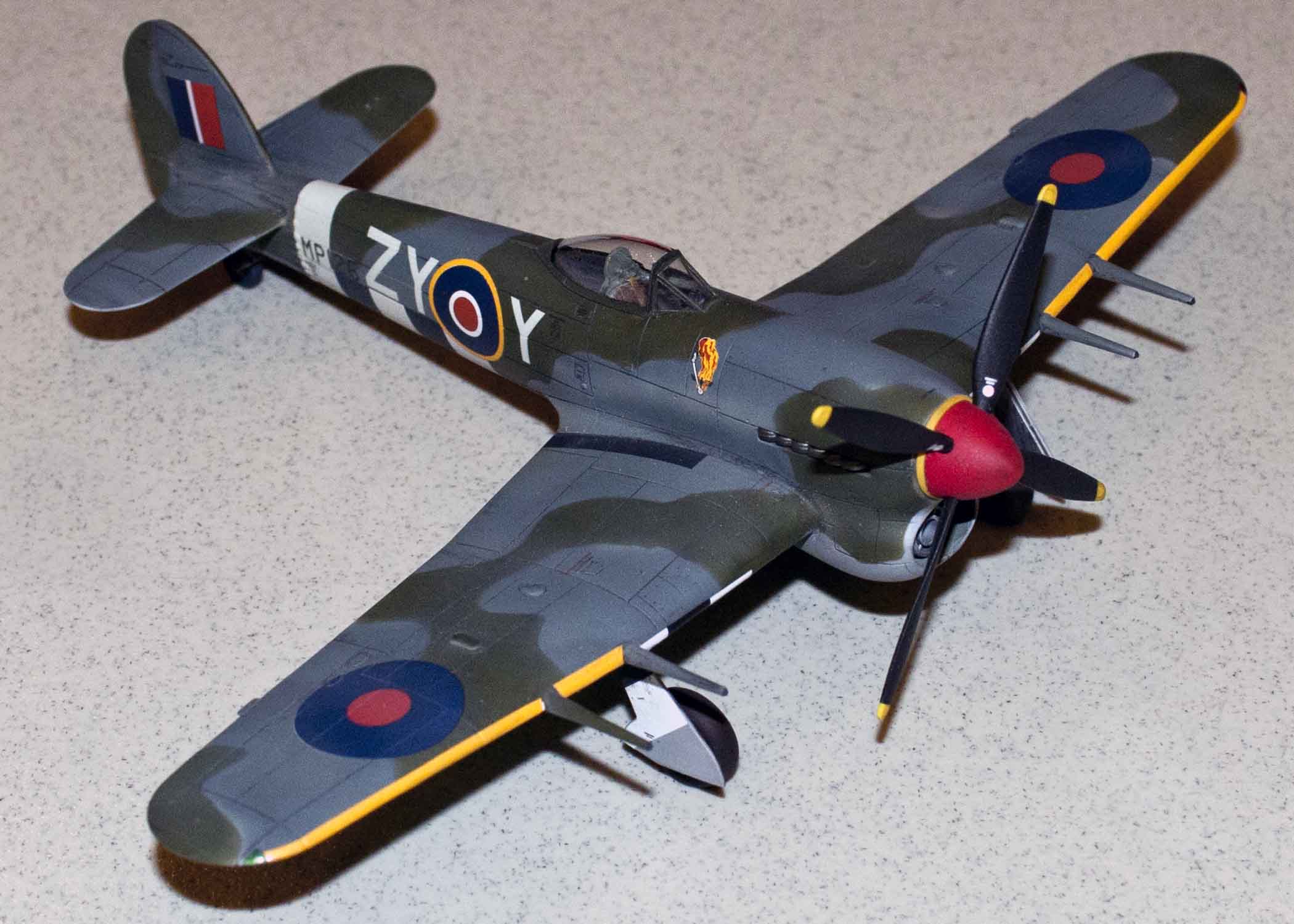
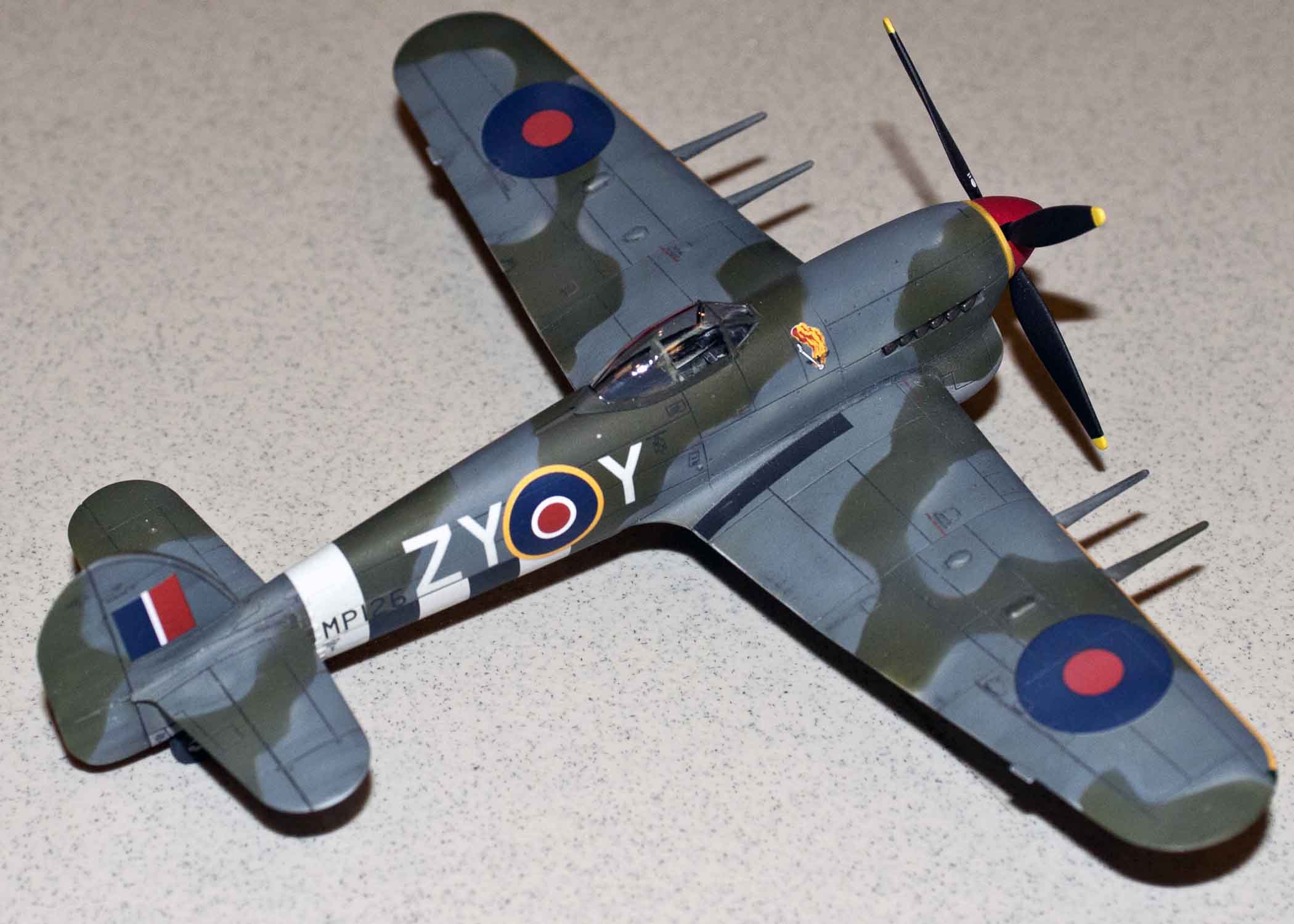
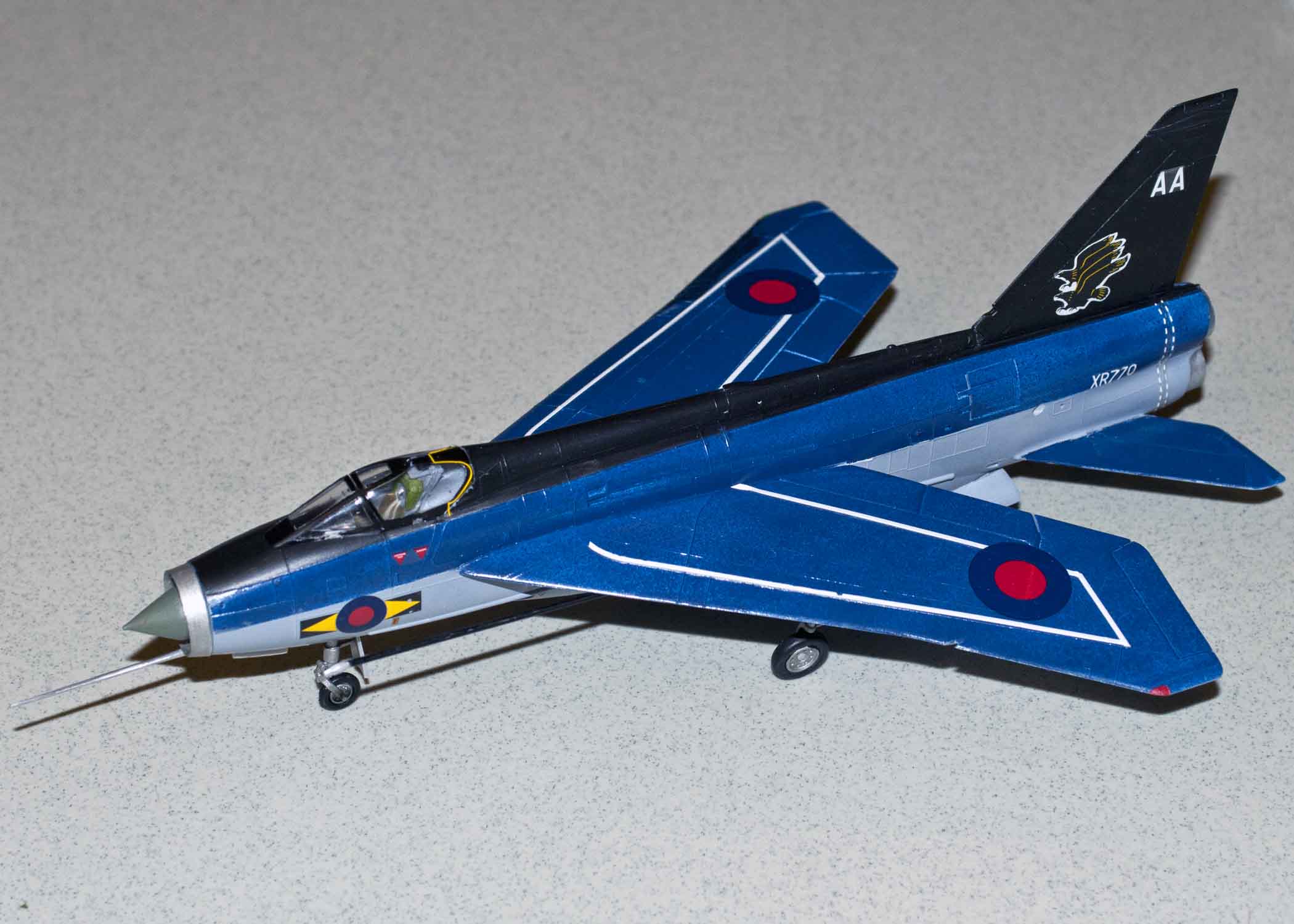
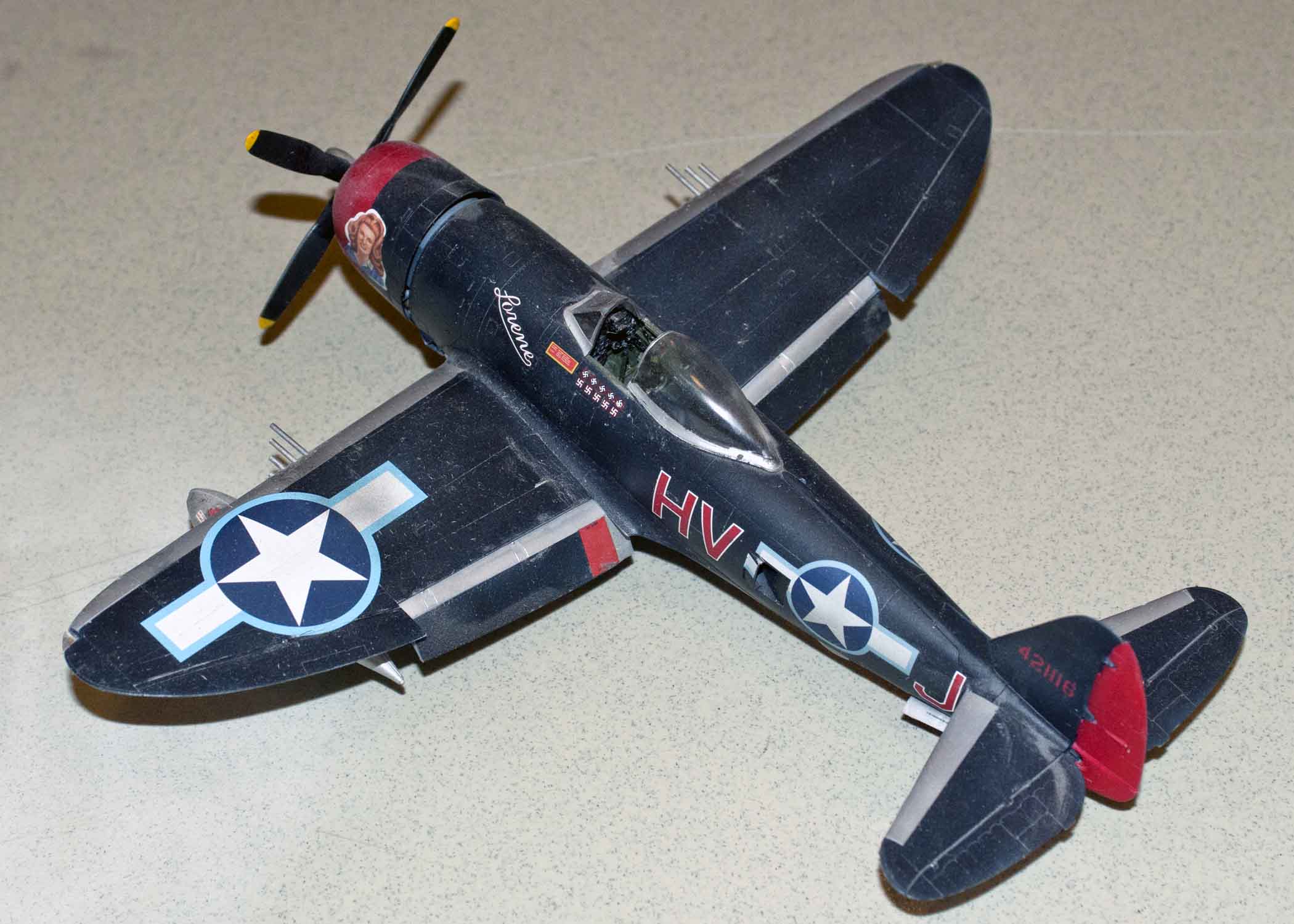
Basic modifications including paralleling gun barrels, straightening wing pylons. Dropped the tail stabs a bit. Testors paint.

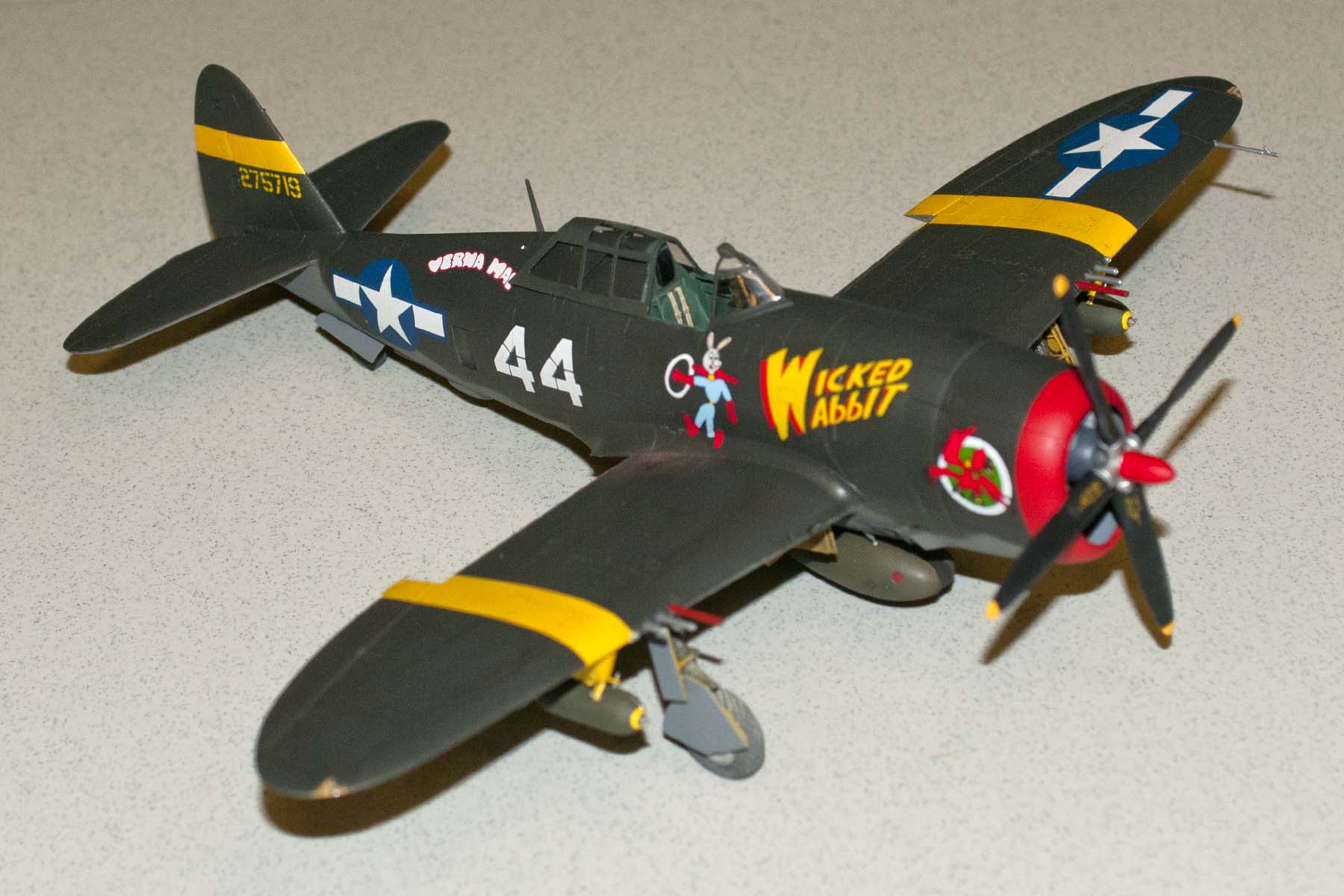
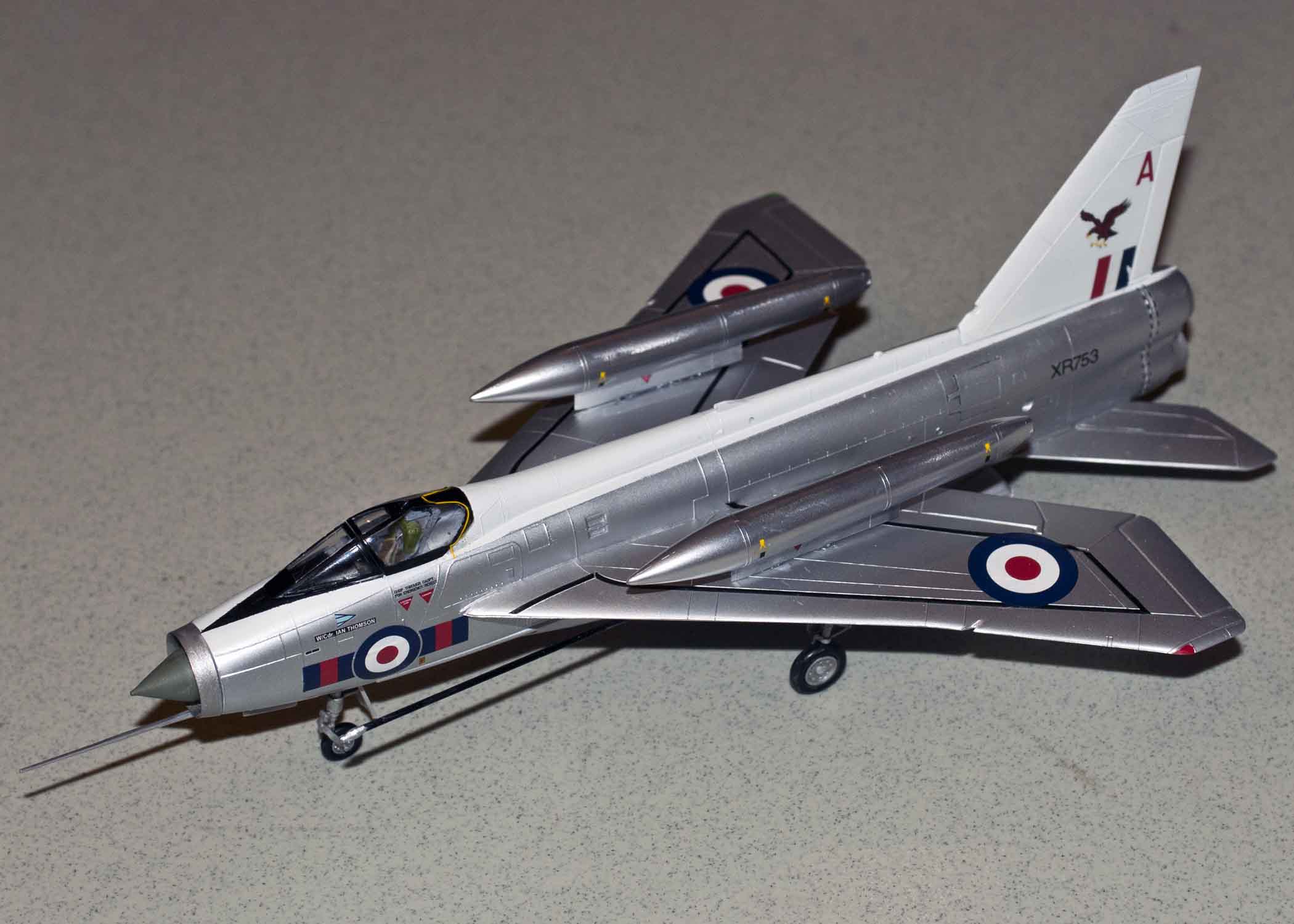
Basic modifications including paralleling gun barrels, straightening wing pylons. Dropped the tail stabs a bit. Testors paint.
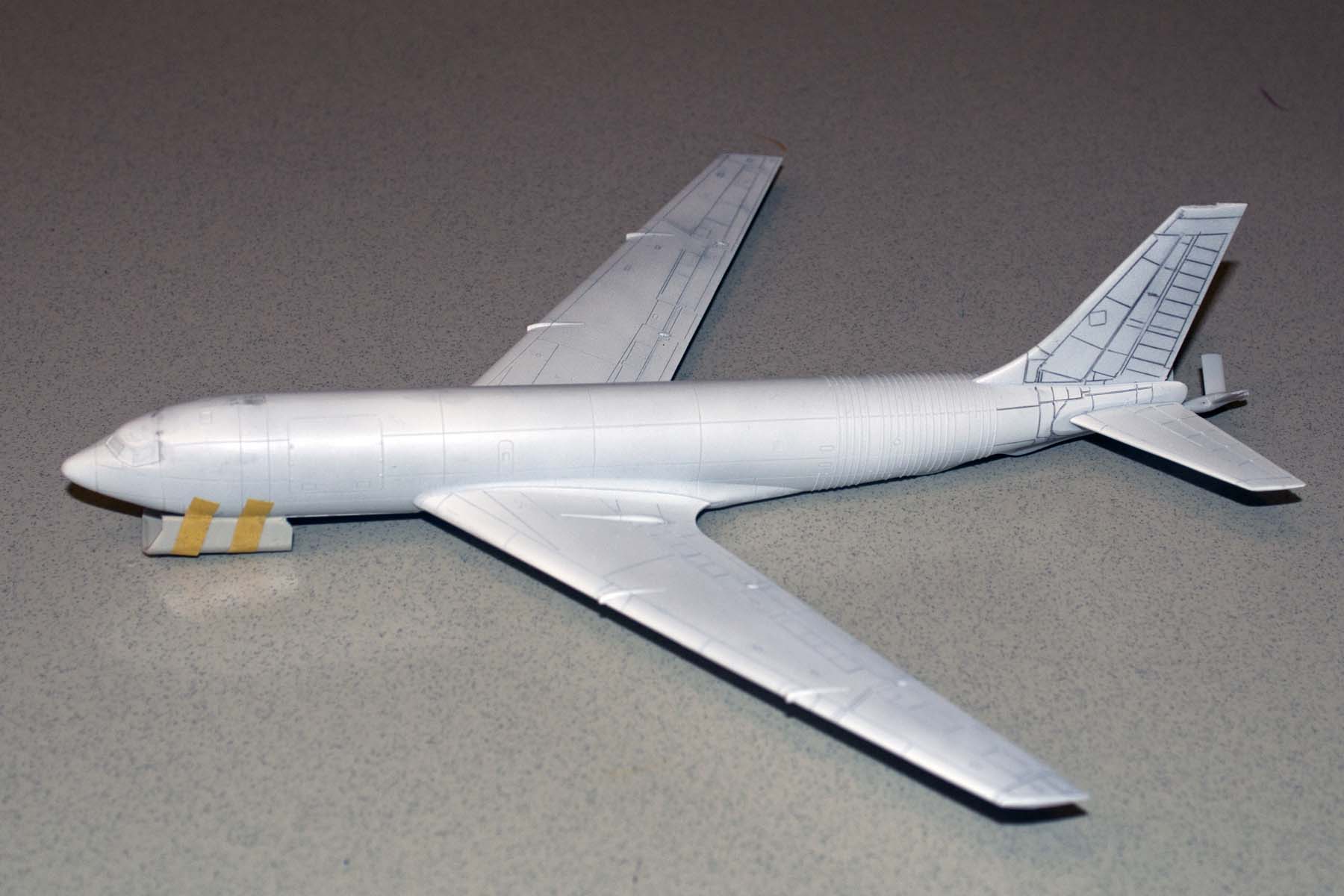
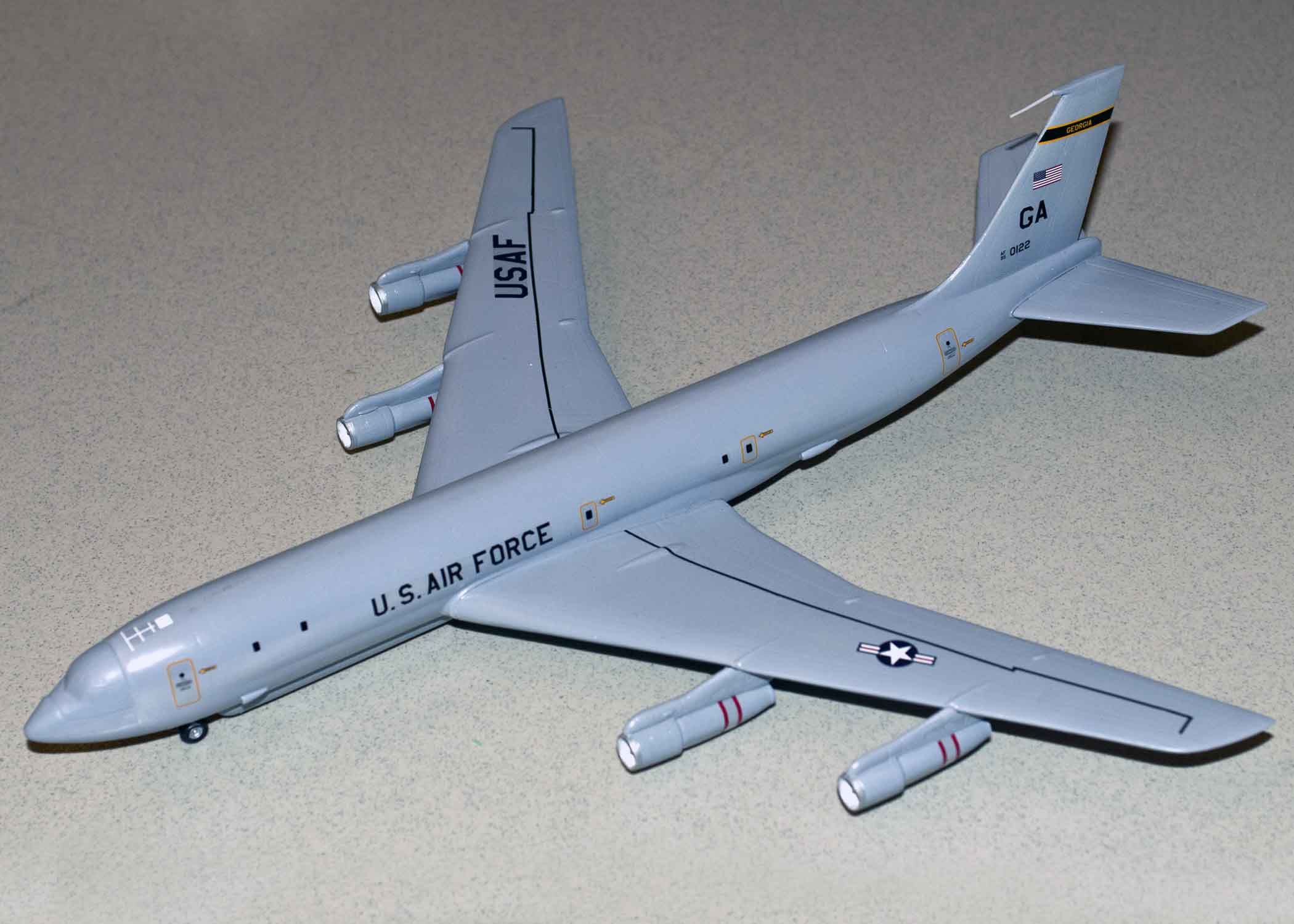
I started on the model by taking some pictures of the parts that came with the kit. The sprues were then washed in a soapy solution and brushed with an old tooth brush to remove any oils, rinsed the sprues and let them air dry.
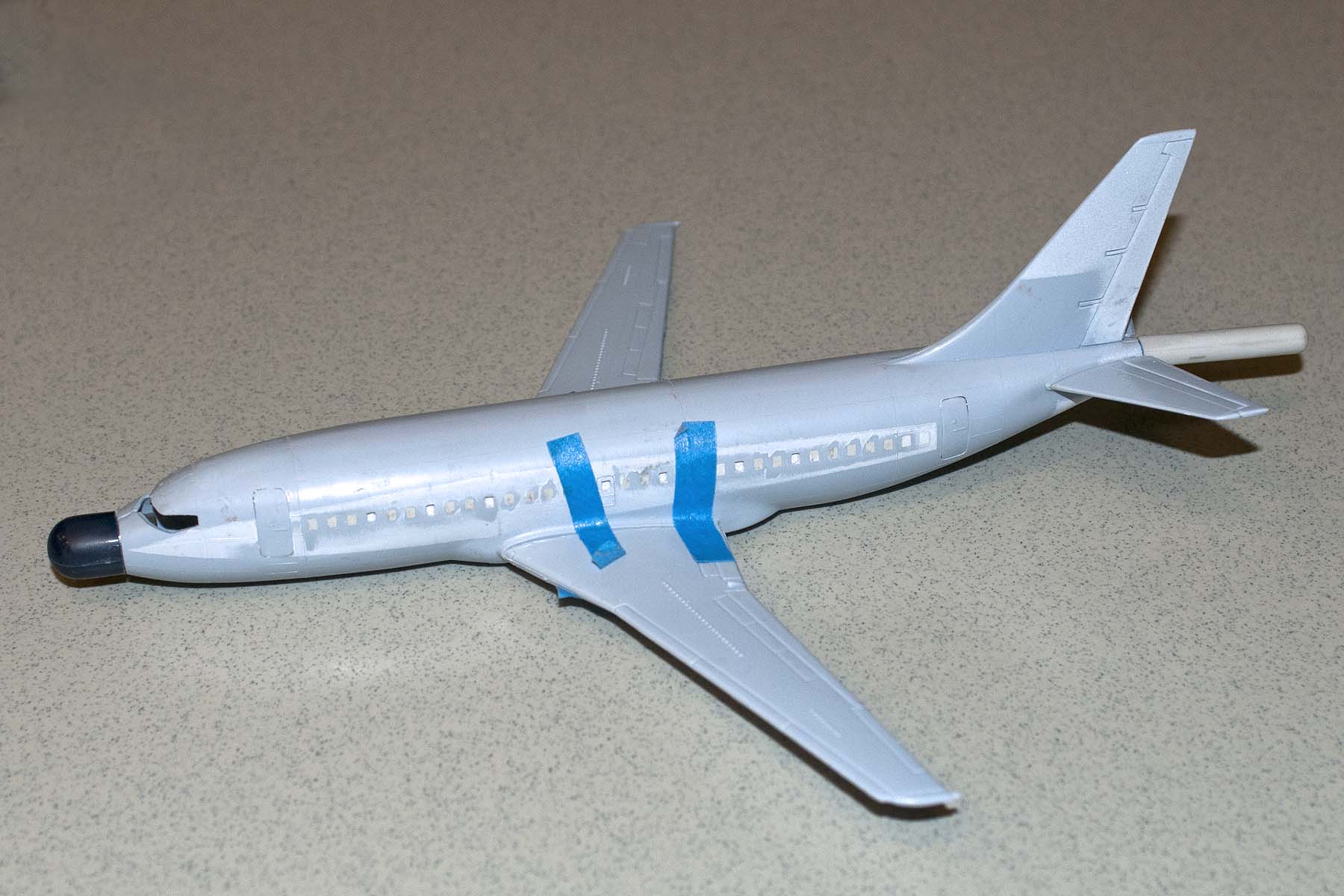
The instruction called for a ½ oz of weight to keep it from being a tail dragger. Some flattened lead fishing weight was added to either side of the fuselage. Also the front nose gear compartment had to be added to one side of the fuselage, before assembling the fuselage halves, the down side of this step is that the front strut had to be inserted in the nose gear compartment, it couldn’t be added after the fact. This called for extreme care to be taken during the entire assembly process, so that I didn’t break it off… It is not unusual for a KC-135 front nose gear doors to be in the up (or closed) position while on the ramp.
The fuselage halves were attached to the sprues with very thick stubs. They should have been on the inside of the fuselage halves. It took quite a bit of work to get them sanded out without affecting the parts. On a side note, while at the I Hobby show I talked to a Minicraft rep about that issue and he replied that they had gotten a lot of feedback on the same issue. He indicated this was the first model produced by their manufacturer over in CHINA and would be looking to improve this issue on the other KC-135 Variants due to come out late 2014 or early 2015.
I started with the fuselage, by adding some weights (flattened fishing sinkers) to the inside of each half of the fuselage. After gluing the halves together, I put the fuselage aside to dry. The wings were the next parts to be assembled. They went together well.
I spent a couple of hours cleaning up the seams on the fuselage. There was one dimple near the seam that I filled with super glue and sanded smooth… I did some dry fitting of the wings to the fuselage and the fit was very good so there was very little filling and sanding to do.
The next thing was to put together the engine assemblies. The engine halves had very thick sprue attachments, which took a lot of work to remove them. I sprayed the interior of engines gloss white. The compressor intake fans were painted aluminum and the exhaust fans were painted titanium. These were then inserted and glued into the engine halves before cementing them together.
The wheels and hubs were painted the appropriate dark grey for the tires and aluminum for the hubs. The landing gear struts were given a couple of coats of gloss white. The struts were then dry fitted to the underside of the wings to make sure they were a good fit. Once this was accomplished, the wheels were attached to the struts in order to get them to sit correctly when they were on the ground.
The engines assemblies were then painted. I first painted intake rings and exhausts the appropriate metalize colors. The paints used were Aluminum (MM 1781) for the rings and Jet Exhaust (MM1796) for tail end of the engines. This was done because these paints have less of a tendency of being lifted once the tape is removed. The engine assemblies were then painted Model Master Acryl Air Mobility Command Gray 4754.
I then painted the fuselage and wings separately before putting them together. I set them aside to dry for a day. I then attached the wings to the fuselage. After letting this dry for another day, I worked on attaching the engine assemblies to the wings. I then gave the model of some mist coats of Future. Once I thought I had enough of a gloss finish, I then worked on putting the decals on the plane. Even the big decal of the Tiger went on well. I had to remember to put on the U.S. AIR FORCE decal first because the Tiger decal would cover some of the lettering.
I opted to use the decals for the cockpit windows, since there was no detail inside the plane to see. It also helped by being able to paint the entire window assembly while attached to the fuselage, rather than trying to mask off the frames.
This was the 2rd variant of a KC-135 that I built from Minicraft. The first one was the E-3 Sentry AWACS, with Rotodome radar dish. I’m now working on The E-8 Joint Star variant of the 135. Minicraft has in new tooling a KC-135A, EC-135C, KC-135R (Re-engined version).
Also in the future are these variants, E-6 Mercury USN and an E-6/E-8 AWACS/Joint Star. It will make a nice display of all the different variants of the Boeing KC-135.
For the past few years we have been setting up display tables at the Butch O’Hare contest held in November. This year there were two tables with plenty of models along with flyers with club dates.
Most of the time there was a member or two “manning” the tables to talk plastic. Late afternoon John Koziol turned up with 3 of his large subs which drew quite a bit of interest. I guess size does matter! The end result was a surprise award from the Butch O’Hare club for Best Club Display. Dan Paulien is said to have taken the award home, re-engraved it to say best “Modeler in the World”, and now displays it in his model room along with all of his $1.99 builds.

THANKS to those who contributed models or time: Carl Geiger, Steve Kumamoto, Charles Scardon, The Tick, Dan Paulien, Glenn Estrey, John Koziol, Lee Lygiros, Bill Lygiros.
Dan Paulien – A-37 Dragonfly, 1/48 Monogram
He did it in Viet Nam colors as used by the Vietnamese AF. Used lead foil for seat belts. Stretched sprue for the antennas.. Only down side of the kit was the seam in the nose of the kit. To smooth it out he had to take some of the detail off. Paints used were Model Master Enamels. And he only paid $5.00 for the kit.
Westland Wyvern, 1/72 Trumpeter. Built OOB, mixed colors to get the correct Sky Color rather than but new paint.
Paul Gasiorowski – A-37 Dragonfly, 1/48 Monogram
Paul built his as a T-37A Training Aircraft and the other side as a T-37B, tactical close Air support. Paints used were Model Master Acrylics. Some parts were lost to the CARPET Monster, mainly the Support struts for the landing gear. Decals for the “A” version were from the spares box, the “B” version used the kit decals. A quick build.
Glenn Estry – MQ-9 Reaper, 1/48, Revell Germany
OOB, replaced all the pitot tubes because they broke off during construction and replace them with brass. Also indicated the prop was molded backwards and he redid it. Sent a letter to Revell indicating the problem, there answer was kit was discontinued.
Mike Hanlon – FW-90A8, 1/32, Hasegawa
OOB changed only the decals and used Eagle decals F6F-5N Hellcat, 1/72, Eduard OOB, Gunze Gloss Sea Blue paint P-40E, 1/48, Hasegawa OOB, Superscale decals
John Koziol – Stuka, 1/24 scale, 21ST Century Models
Prebuilt model, but had a large snake on both sides of the fuselage.
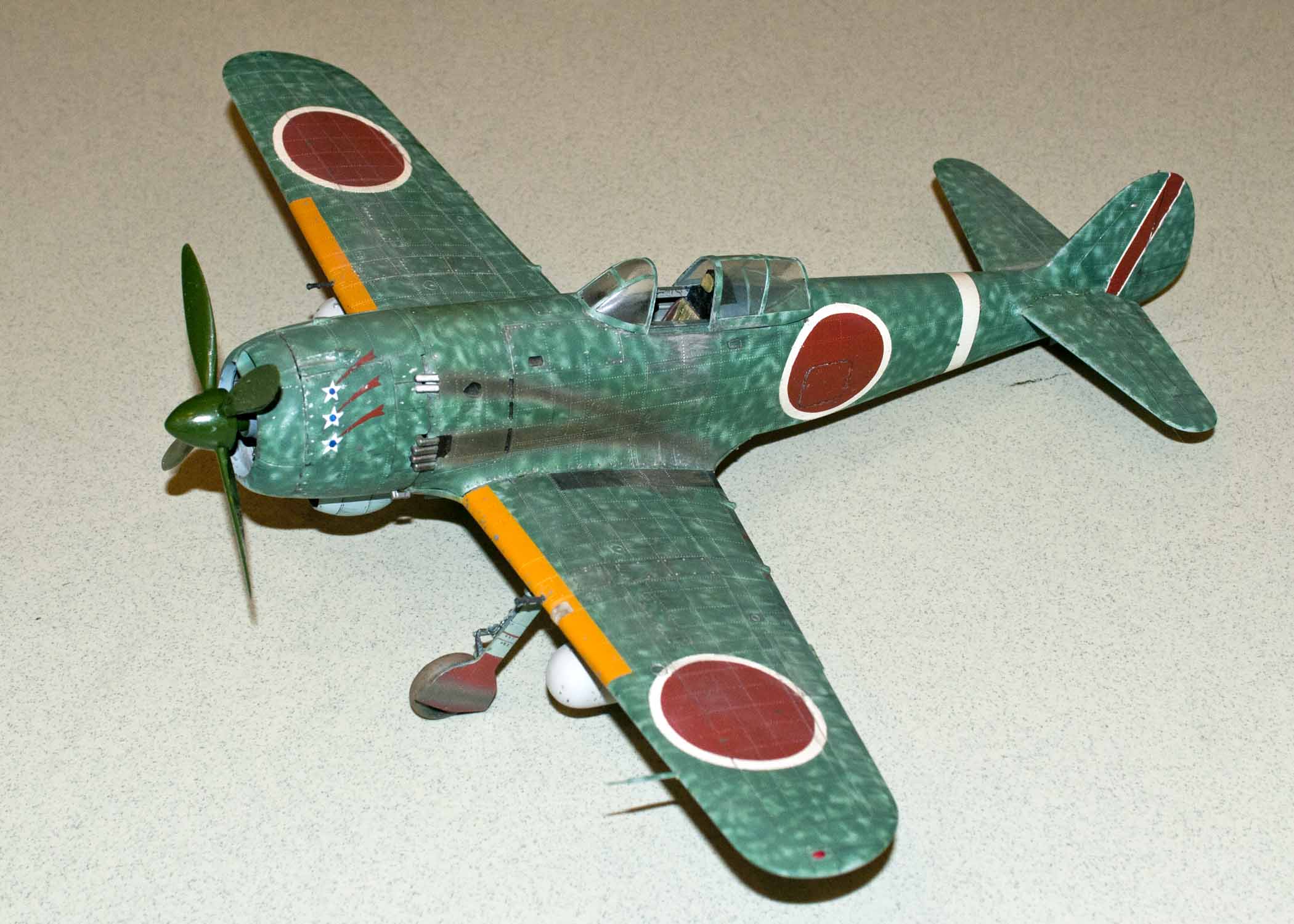
Steve Kumamoto – Ki-45 “Nick”, 1/72, Revell
In Japanese it was called the Toryu or “Dragon Killer”. He built it back in the “70’s”. Basically OOB. Used Floquil paint mixes to get the correct colors, way before paint manufactures were supplying basic colors for aircraft. Walthers decals for the stripes, used for the canopy frames.
Charlie Scardon – USS Farenholt, 1/700, Dragon
Under construction. Explained how he used photo copies to understand how the other side of the ship
Designed by artist Greg deSantis, It is noted that since Disney owns the copyrights to the submarine depicted in their movie, this model is called an ‘artist’s interpretation’ to avoid getting a nasty letter from the friendly legal department at Disney.
The first thing I noticed about the model from the picture on the box, was that it had some resemblances to the Civil War ship H.L. Hunley, most notably, the harpoon mounted torpedo and the heavily riveted hull, which I liked. What I DIDN’T like was the price. $69.00. When I first saw this model, that’s what stopped me, but when I saw this in a hobby shop having a 40% Off sale on plastic models, I went right to the checkout with it. $42 was a lot better price.
Upon opening the rather weighty box, I found 9 sprues nicely wrapped, (some areas covered in protective foam sheet) along with one envelope containing a good sized plate of photoetch and complete set of masks for the ornate windows. The model included a nice interior ‘living room’ that made for some intricate painting and if I wanted, could have made much more detailed. I decided that most likely, the details wouldn’t be seen unless the interior was illuminated, so, off to the internet I go and find Evan Designs website which sells very small LEDs, switches, battery holders, etc.
(http://www.modeltrainsoftware.com/ledlights1.html), for $5 (shipping extra), I got an LED, switch, and button battery holder.
The hull and other pieces are nicely engineered and molded well, barely any flash at all and the pieces fit together well. With one complaint; the sprue attachment points are located in the joints of each piece. This means that in order for the pieces to fit tightly/smoothly/evenly, you must get a small file or sanding stick to remove the excess plastic because the joints are rabbeted for the angular construction to work, and will not meet flush with an obstruction there. This was my only beef because it was in multiple places on almost every piece.
The window masks were a nice addition, but they didn’t fit perfectly in every frame. Also, I think the adhesive could have been stronger and the mask made from thinner material to ‘seal’ better on each pane. The photo etch parts were great and there were plenty. A bit of advice:
Since I also build wood ships that contain brass parts, I am a big fan of ‘Blacken-It’, a nitric acid bath to blacken metals. Do NOT use Blacken-It on the photoetch parts. $10 mistake! The railings are so thin, the Blacken-it actually made them weaker and areas fell apart as I tried to pick them up. I called Pegasus and luckily they sold the replacement photoetch for $10 and told me not to use Blacken-it. The railings and side stairs are the most fragile of the photoetch, and, for me, was nerve-wracking, even at 1/144 scale (I have no idea how anyone can work on 1/300 or smaller scales). I decided it will be a long time before I use photoetch for anything ever again.
The giant squid model support/base was made of solid, heavy vinyl. I used CA glue and that worked well, but I was concerned about acrylic paint sticking to the vinyl. I used a lacquer primer and that seemed to work. Nothing much to say about this other than I thought that an actual squid might be
pinkish-gray so I used Vallejo’s Beige Red as the main color and Dark Blue Grey as a wash, then applied a clear gloss lacquer to give it a ‘wet look.’ After painting, I drilled a small hole for the battery wiring and switch for the LED and hot-glued them underneath the base.
The actual Submarine color I chose was Testors Metalizer color, Burnt Iron, a nice black with flecks of brass in it.